





















Why SDI Matters in Reverse Osmosis and How Ultrafiltration Supports RO Performance
October 22, 2026
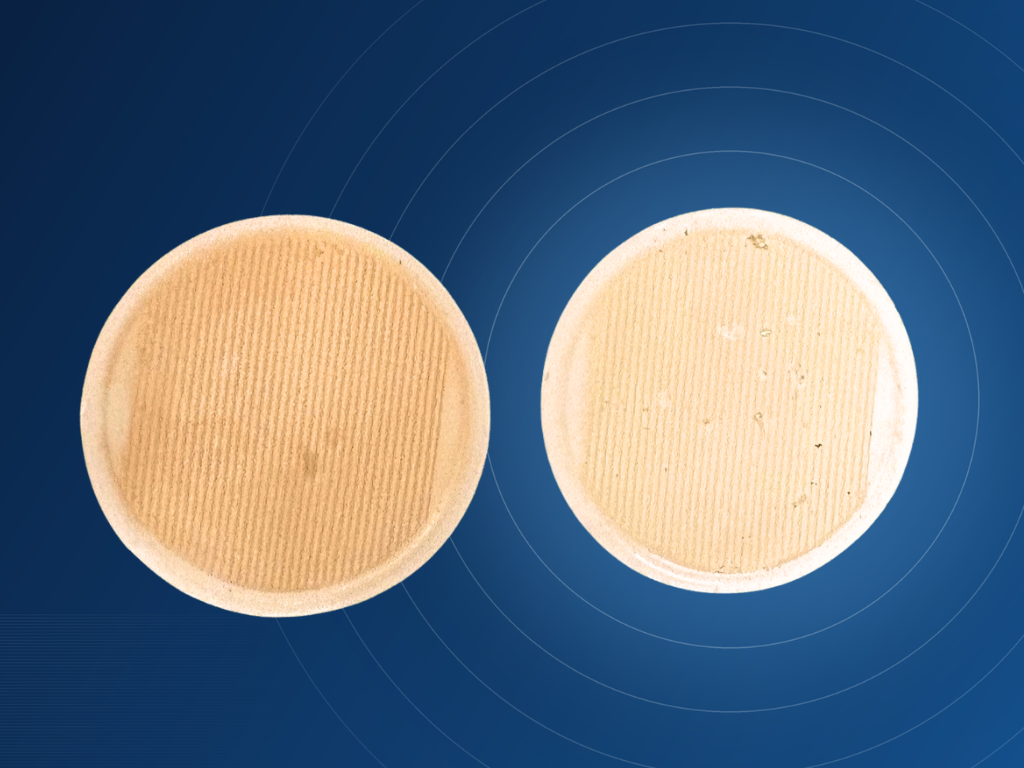
Reverse Osmosis (RO) performance depends on more than the RO membrane itself. Feedwater quality and upstream treatment affect membrane fouling, cleaning frequency, operating pressure and system reliability.
One measure used to assess RO feedwater is the Silt Density Index (SDI). SDI can provide an indication of the quantity of particulate matter in water, and useful information on upstream filtration performance, helping operators assess whether the treatment process is providing suitable feedwater to the membranes.
What is Silt Density Index?
SDI is a standard test used to indicate the quantity of particulate matter in water. Despite the name, it does not simply measure visible silt. It assesses how particles and colloidal material affect water flow through a membrane filter over a set period, as the filtration rate changes and an SDI value is calculated.
The ASTM D4189-23 Standard Test Method for Silt Density Index (SDI) of Water identifies SDI as a measure for determining the effectiveness of processes such as filtration or clarification, and notes it has been empirically correlated with the fouling tendency of equipment such as RO systems (ASTM International, 2023).
SDI is not an absolute measure of particulate concentration, nor a complete predictor of membrane fouling, and can be influenced by water temperature and the membrane filter used. Operating limits should be assessed against the specific RO system, membrane selection and feedwater conditions, rather than treated as universal thresholds.
As a general reference rather than a fixed rule, current RO feedwater guidelines commonly specify SDI15 below 5, with a target below 3 to further reduce particulate fouling risk (Philibert et al., 2024). Requirements vary between membrane manufacturers, feedwater sources and system designs, so project-specific guidance should always take precedence.
Why is SDI important for Reverse Osmosis?
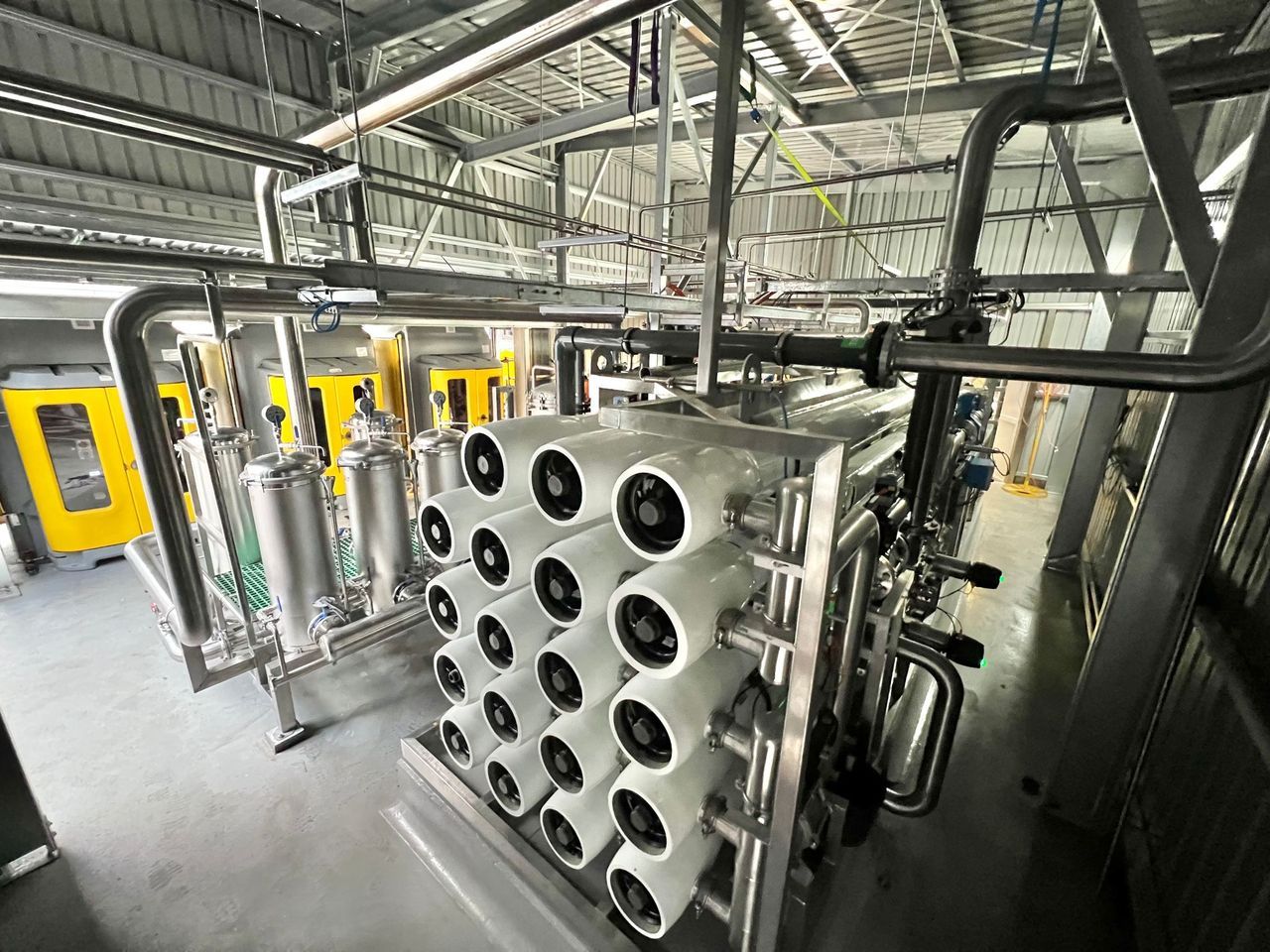
RO membranes are used primarily to separate dissolved constituents from water, so suspended and colloidal material should be managed before the water reaches the RO stage. If particulate loading is not controlled, particulate material can accumulate within the RO system, contributing to increased differential pressure, reduced hydraulic performance, more frequent cleaning and downtime.
SDI provides one way to assess this risk before water enters the RO system, and can help identify upstream changes: if SDI increases, operators can investigate whether feedwater conditions have changed. SDI should not be assessed in isolation, however. Scaling, biological and organic fouling, and water chemistry changes, can also affect RO performance.
| Key consideration | Relevance to RO | Role of pretreatment and UF |
| Particulate fouling potential | Increases the risk of deposition within the RO system. | Can reduce particulate material reaching the RO membranes. |
| SDI trends | Can indicate changing feedwater conditions or pretreatment performance. | Monitoring supports investigation of upstream filtration performance. |
| Suspended and colloidal material | Accumulation can increase differential pressure and cleaning needs. | UF provides a physical barrier for suspended and particulate material. |
| Feedwater consistency | Variable water quality makes RO operation harder to control. | UF can help provide more consistent feedwater, where suitable for the application. |
| Other fouling mechanisms | SDI does not identify scaling, biological or organic fouling. | Pretreatment should be based on complete water analysis. |
| Overall system performance | Depends on feedwater quality, system design, operation and maintenance. | Pretreatment, UF and RO form parts of the complete treatment train. |
Using SDI to assess pretreatment performance
SDI is useful not only as an RO feedwater parameter, but as an indicator of how effectively upstream treatment is working. A single result reflects one point in time; repeated measurements can show changes in source-water quality or pretreatment performance.
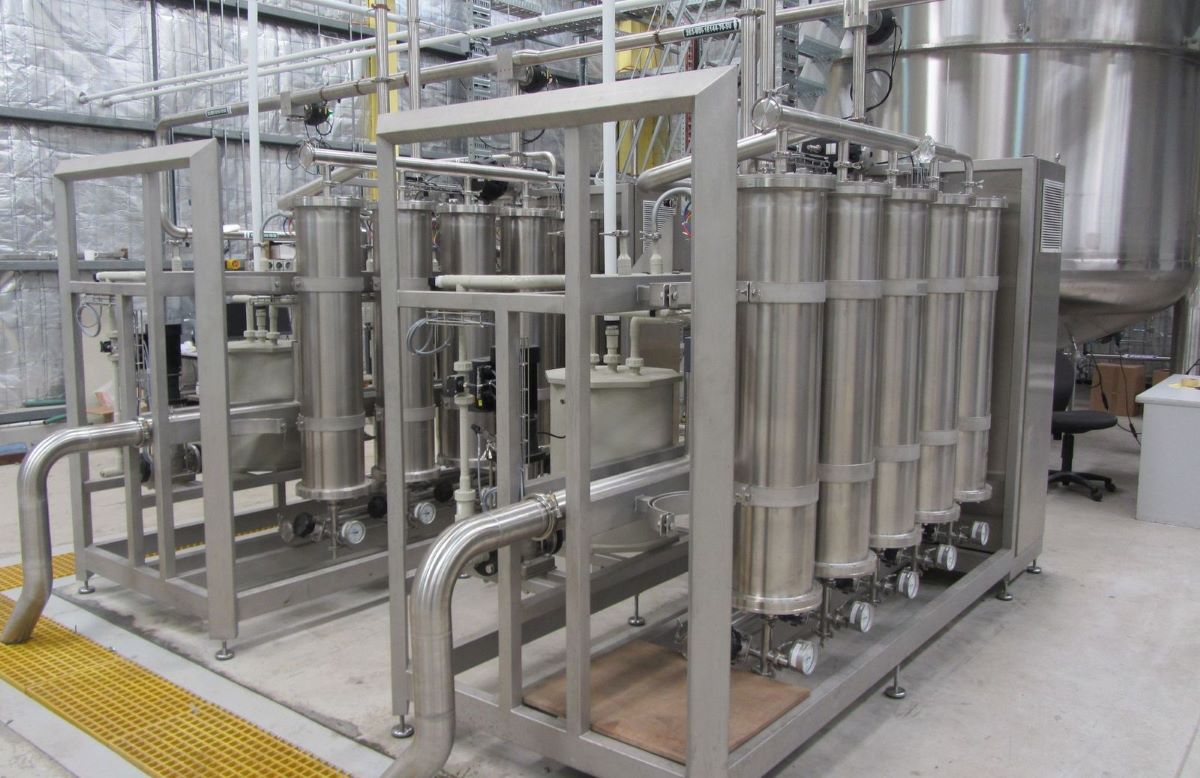
Pretreatment may include clarification, cartridge filtration, media filtration, microfiltration or ultrafiltration, depending on the water source. BHF works across these technologies through its filtration and purification systems.
Where does Ultrafiltration fit before RO?
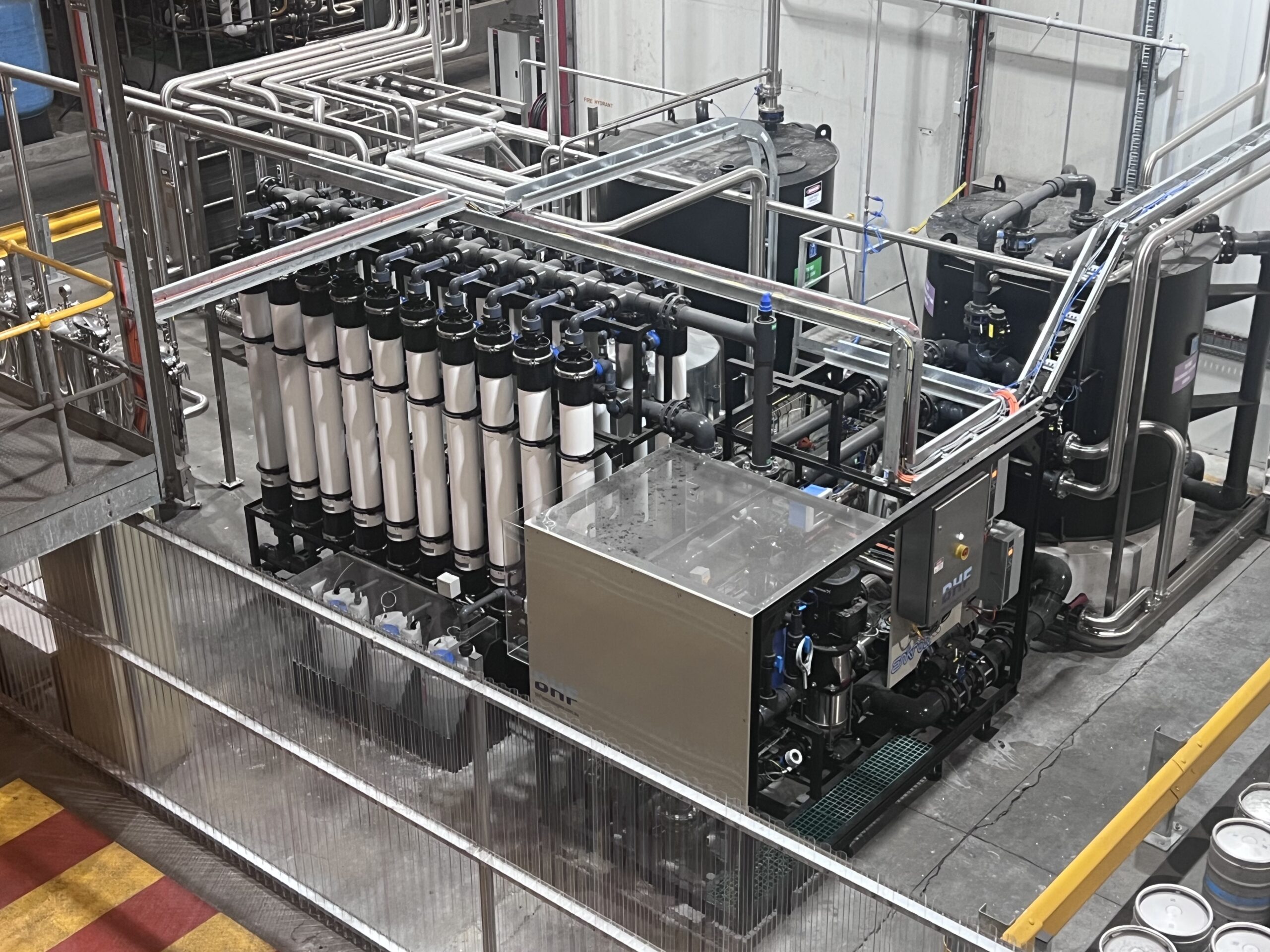
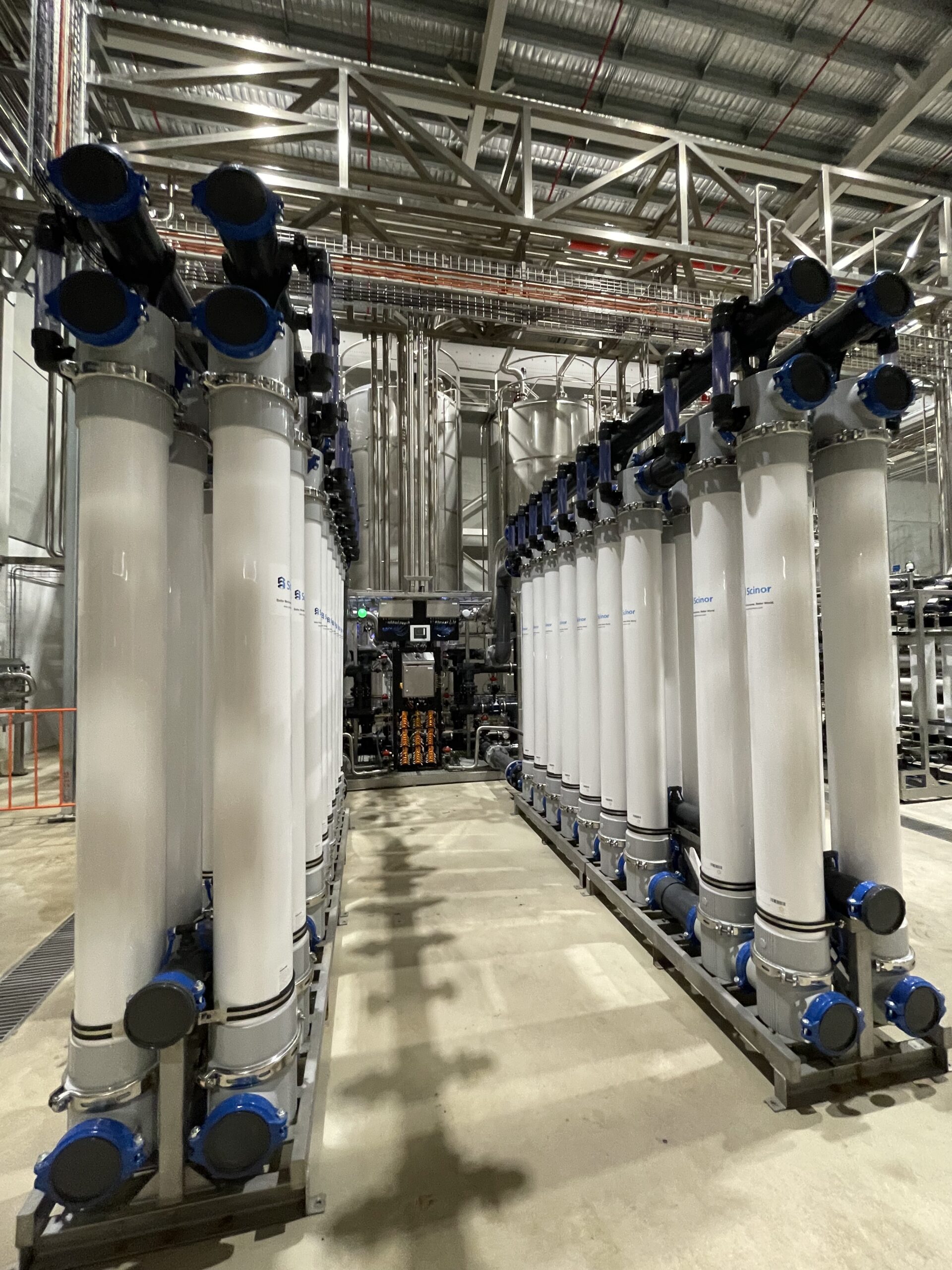
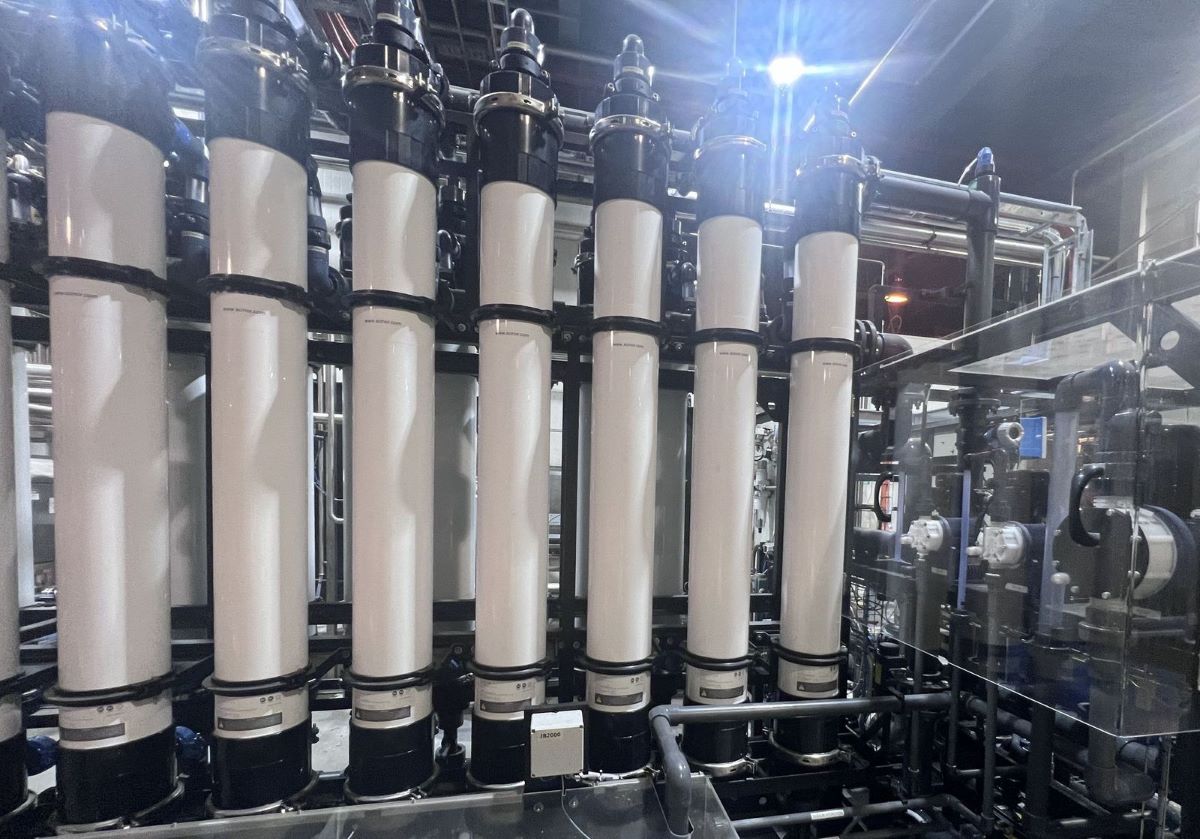
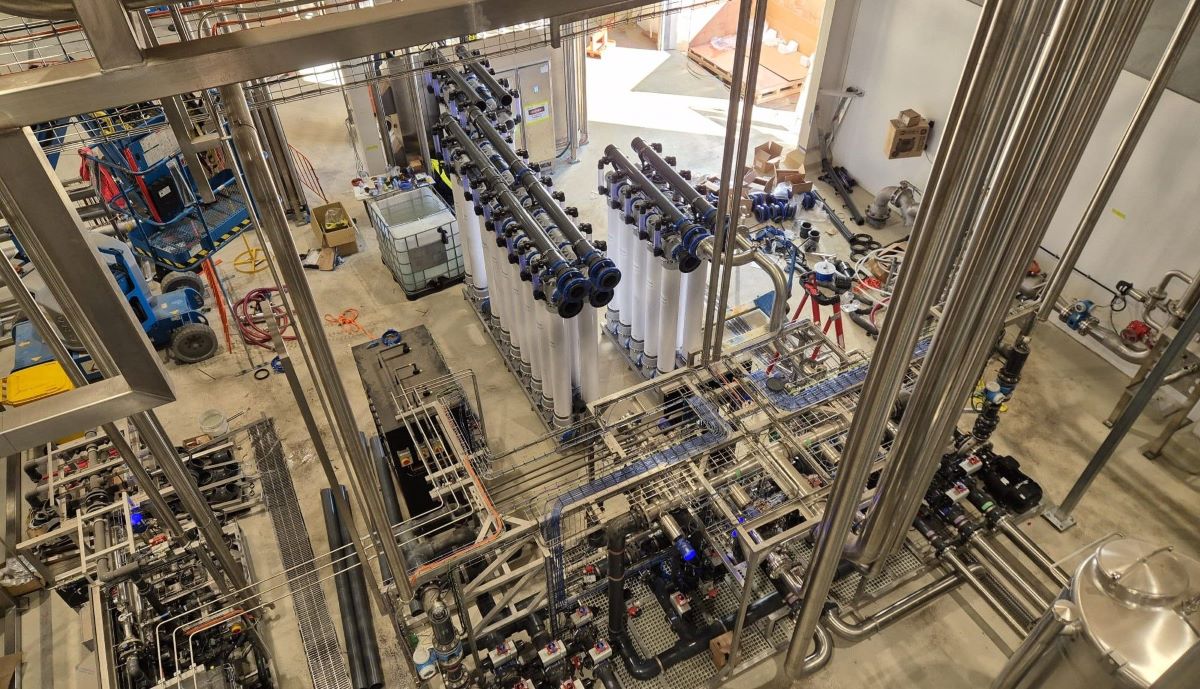
For suitable applications, Ultrafiltration (UF) can be an effective pretreatment barrier before RO by reducing the particulate load reaching the downstream system (Jährig et al., 2025): Feedwater → appropriate pretreatment → UF → RO → treated water.
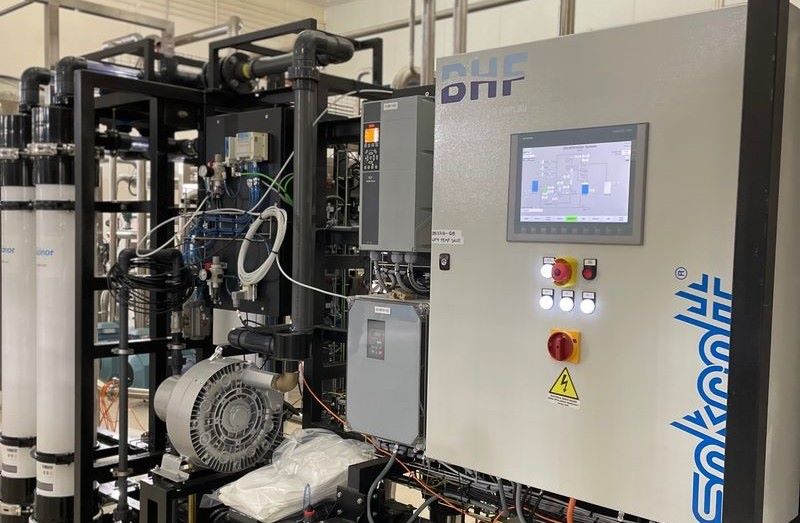
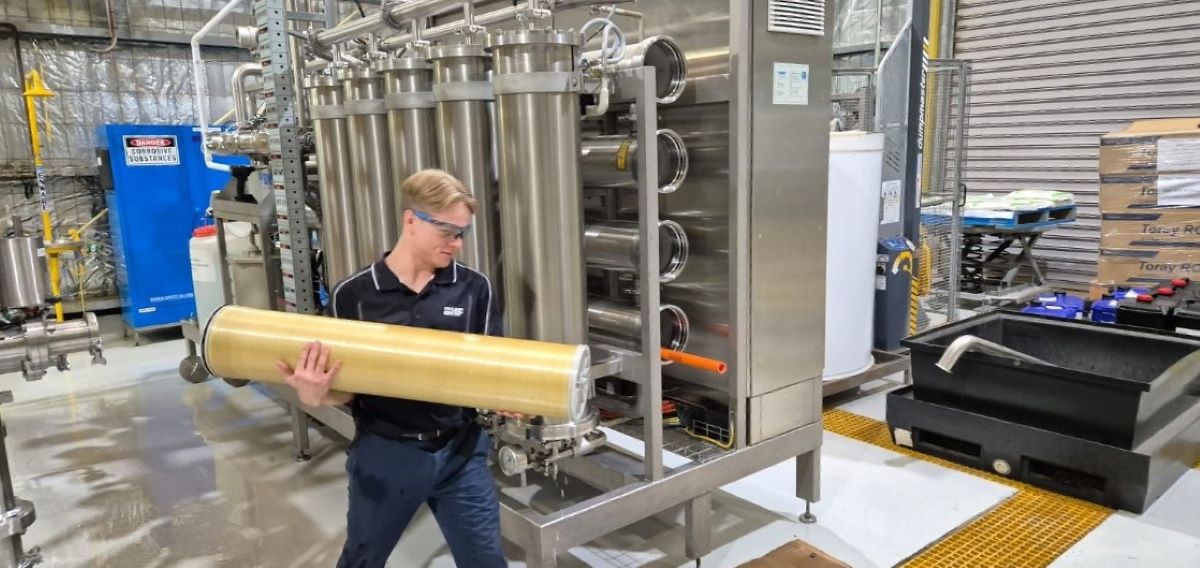
BHF’s Ultrafiltration and Microfiltration systems are used across municipal, industrial and pharmaceutical water treatment to protect downstream processes. By reducing the particulate burden reaching the RO stage, UF can help provide more consistent feedwater where suitable, though it does not prevent every form of RO fouling. Where SDI testing is applicable, trends can provide useful information on feedwater or pretreatment performance.
From SDI results to a treatment strategy
An SDI value should lead to a broader question: what is happening in the feedwater, and how should it be managed before RO?
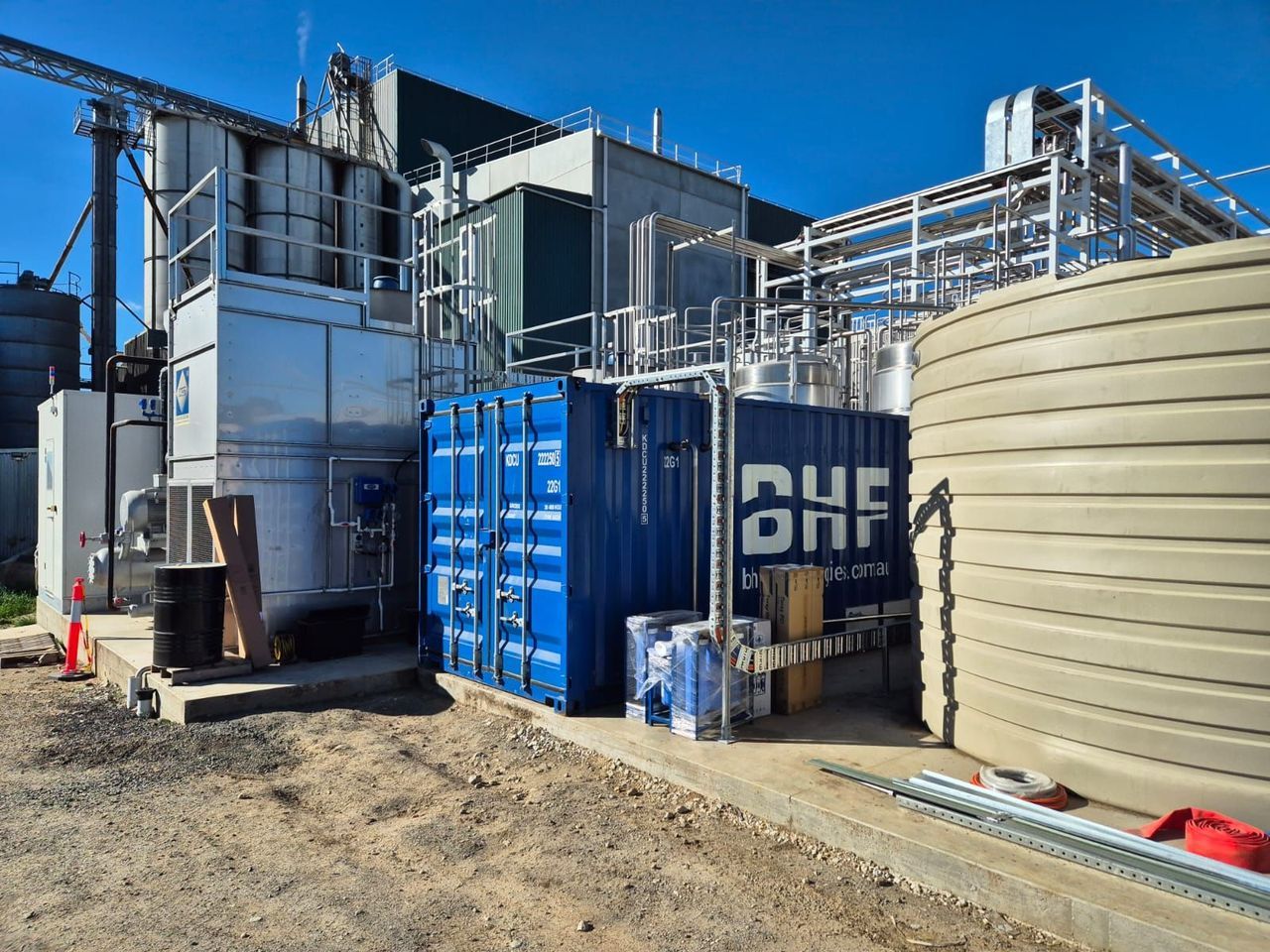
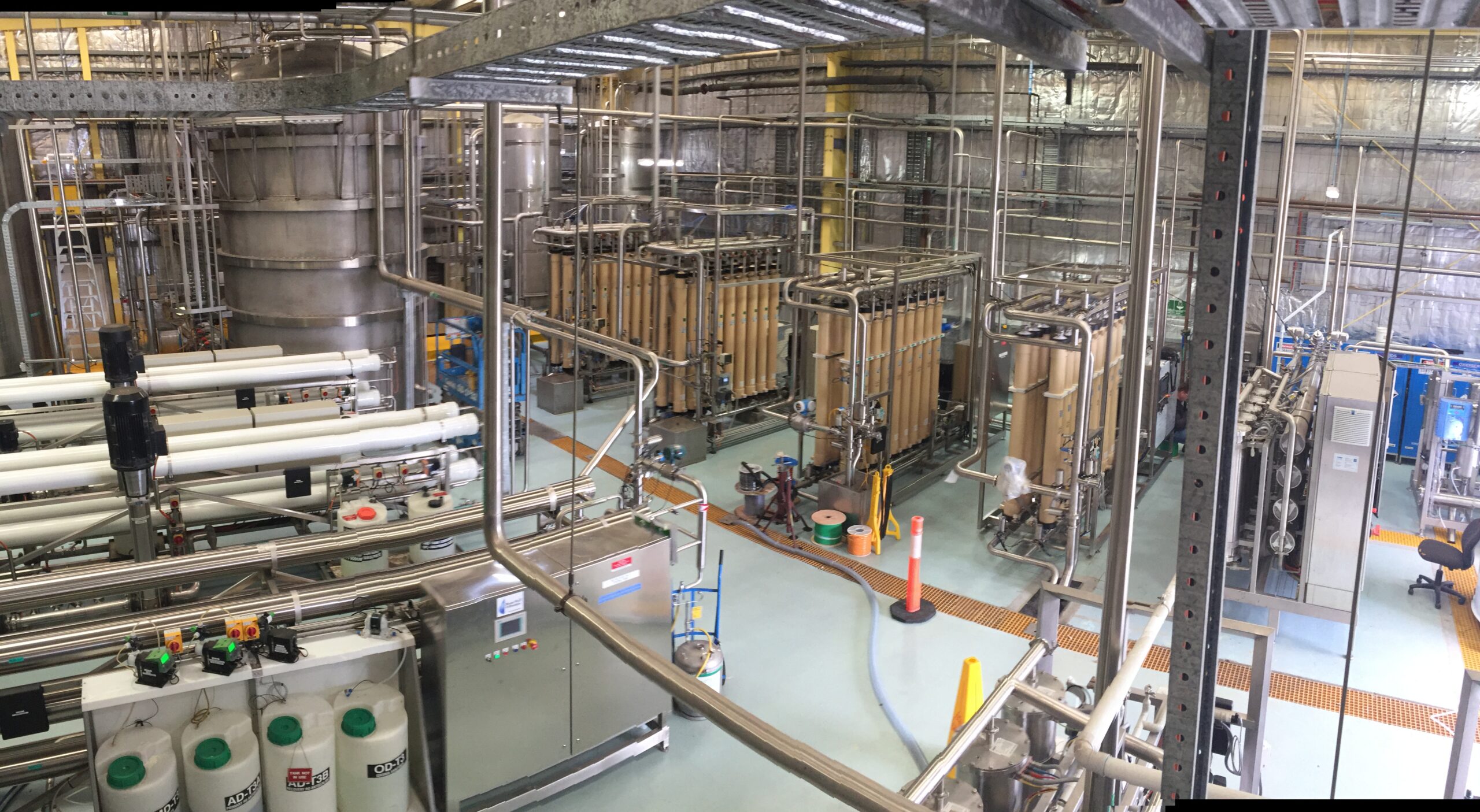
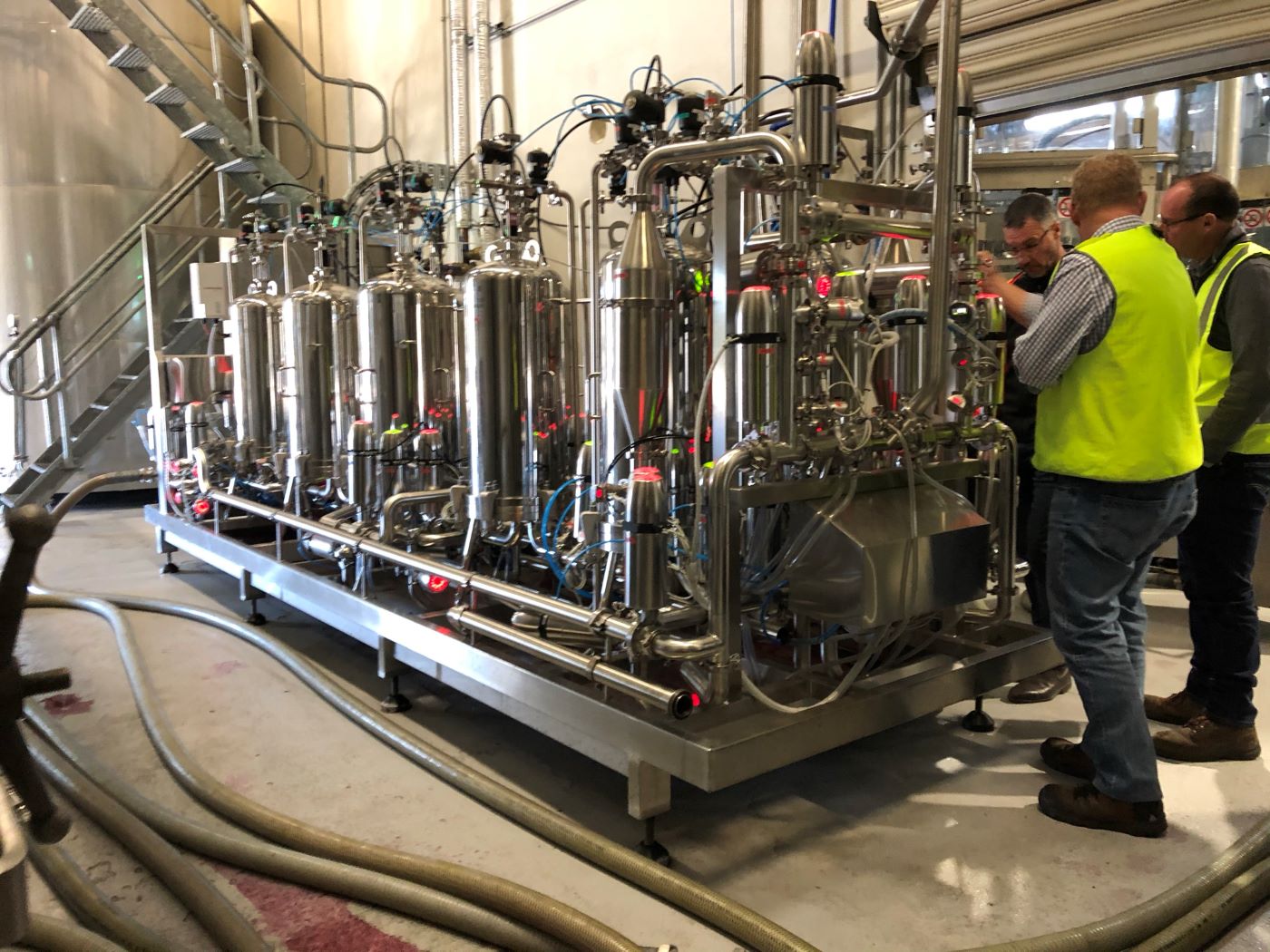
BHF applied this approach in a Victorian wastewater treatment project where RO feedwater quality and filter service life were key considerations. A customised filtration solution was developed around the required SDI performance: a target SDI below 3 was consistently achieved, and filter service life increased from approximately two to three weeks to four to six weeks, showing how SDI can support a wider assessment of filtration performance, rather than standing alone.
“High SDI ahead of the RO is usually the first sign that the whole pretreatment train needs review. Projects go best when we’re brought in early enough to assess pretreatment and the RO as one system, not as separate problems to fix later.”
Stuart Thomson, Associate Director, BHF Technologies
Better RO performance starts upstream
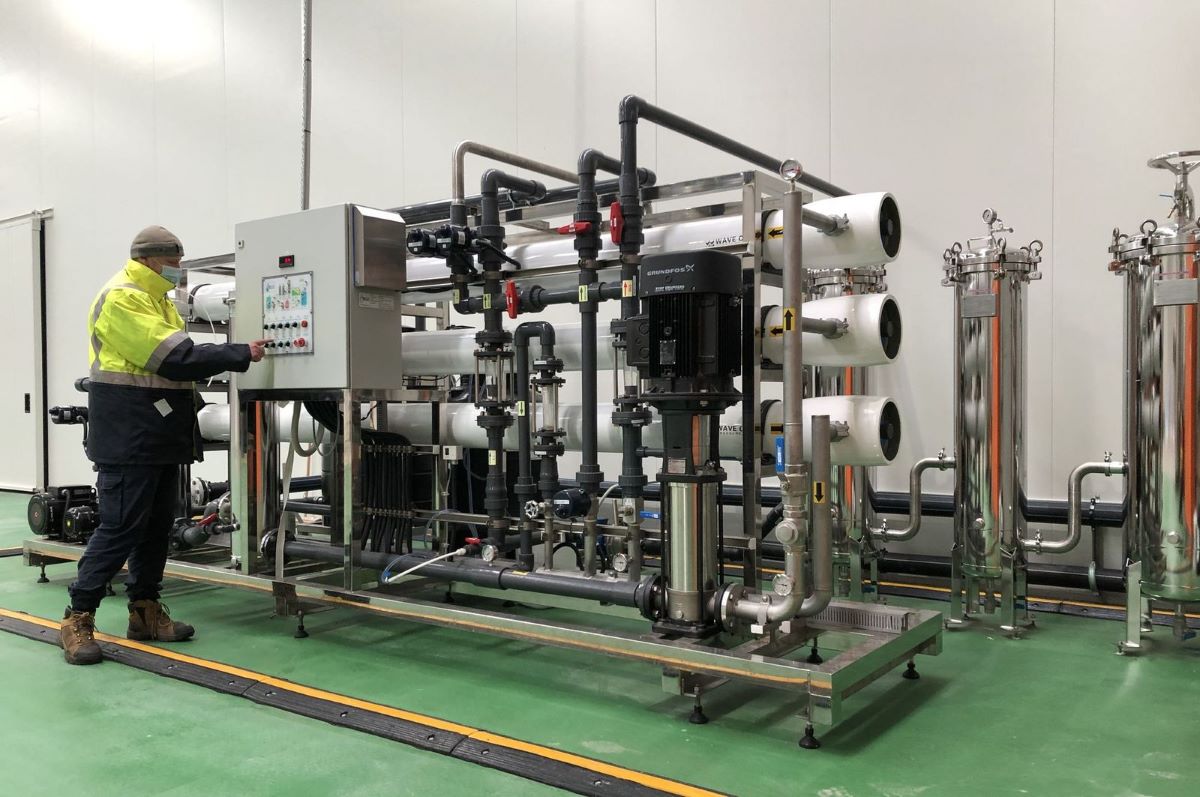
Reliable RO operation starts with understanding the water entering the system. SDI helps assess whether upstream treatment is effective, and where suitable, UF can reduce particulate loading and support consistent RO feedwater.
Talk to Our Team
The appropriate solution depends on the source water, treated-water quality and the complete treatment train. BHF Technologies designs, supplies and supports filtration, UF and RO systems. To discuss RO pretreatment, contact our team.
Frequently Asked Questions
There is no single universal value. The required SDI depends on the membrane supplier’s specifications, the feedwater source and the system design, so it should be confirmed against your own system requirements rather than a generic figure.
No. SDI only indicates particulate and colloidal fouling potential, not scaling, biological or organic fouling, or changes in water chemistry, all of which can affect RO performance independently.
This depends on the application, feedwater variability and site risk profile — confirm a schedule with your system provider or membrane manufacturer. A single reading only reflects one point in time; regular testing reveals trends and early warning signs.