










How Do We Reduce or Recover Our Wastewater?
November 24, 2026

By Wayne Shub, BHF Technologies
When wastewater recovery becomes a concern, the first instinct is often to look for additional treatment equipment. It is a familiar starting point for one of the most common questions we hear from customers: “How do we reduce or recover our wastewater?”
The answer is not always found at the end of the treatment process. In many cases, it begins with understanding how the existing plant operates, whether its components are performing as intended and what may be limiting recovery.
This was the starting point for our assessment of a production laboratory’s purified water system in Victoria. The plant was operating at 60% total plant recovery, but our investigation revealed opportunities within its existing configuration. Rather than immediately looking to reclaim the wastewater being discharged, we first examined why the system was producing so much of it.
Start With the Plant You Have
Improving water recovery begins with checking whether the existing plant is operating as intended. Our assessment started with three questions:
- Are the actual flows and pressures consistent with the plant’s original design?
- Is recovery limited by feedwater chemistry, excessive recovery or insufficient RO crossflow?
- Is the pretreatment suited to this feedwater and the operating requirements of the RO?
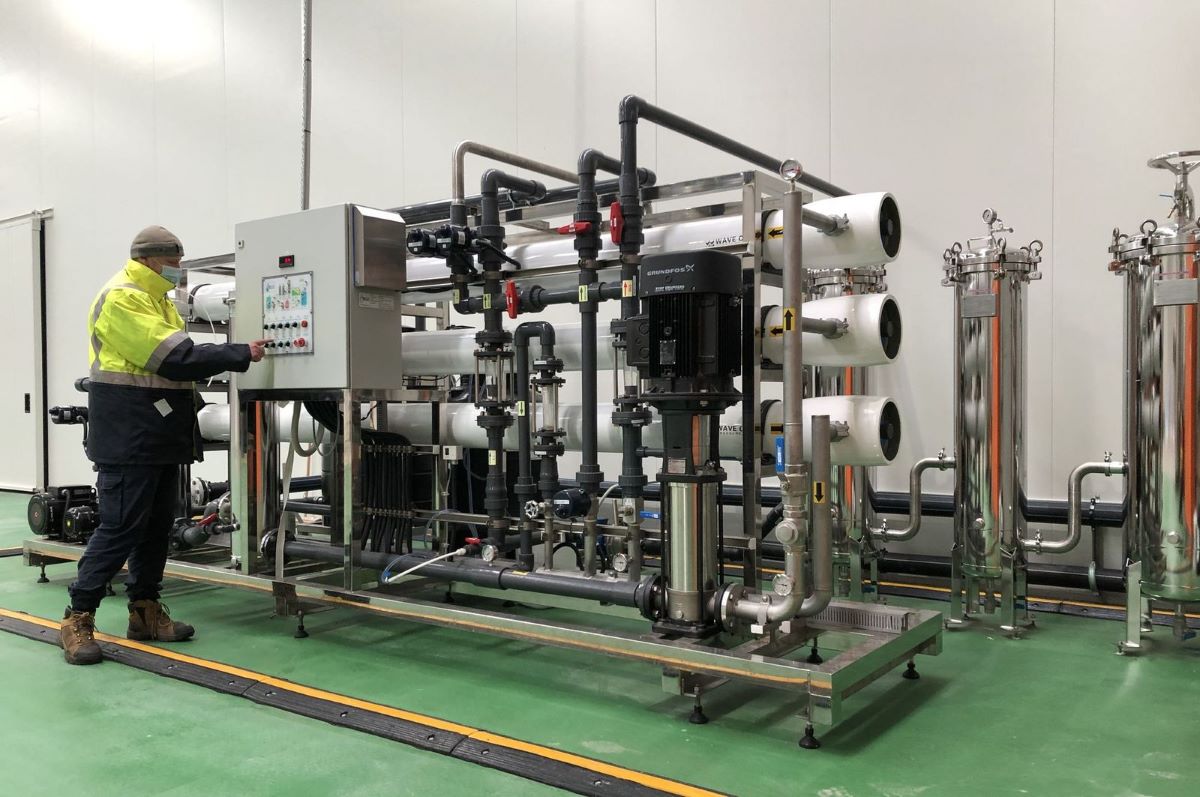
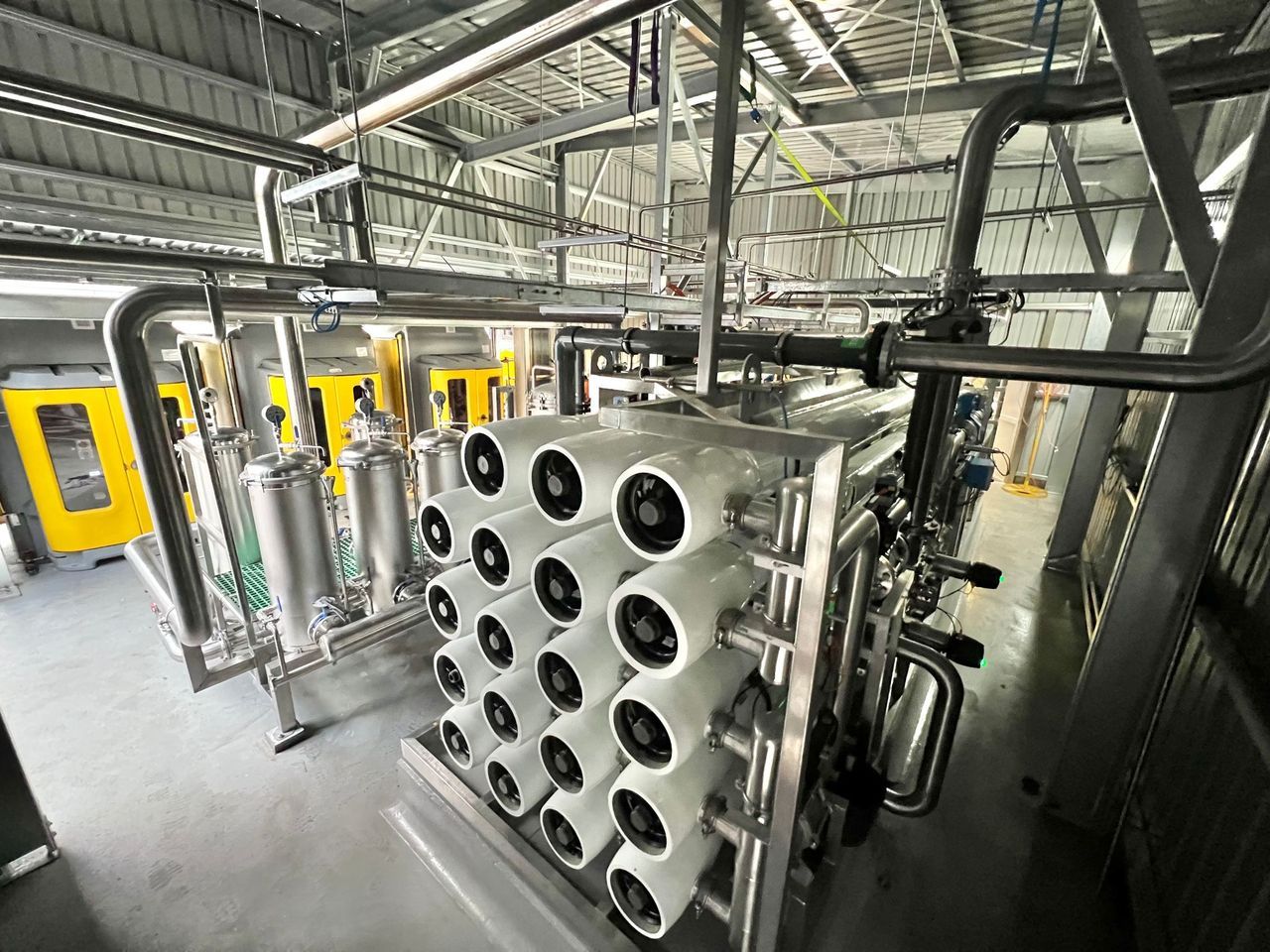
On this plant, we conducted a site audit and retrospectively applied the original design principles to determine the flows the installed reverse osmosis (RO) membranes should have been receiving.
The assessment revealed that flow to the membranes was significantly below the required level. Various modifications made since commissioning had collectively restricted the crossflow needed for reliable RO operation. Although no individual modification was necessarily problematic, their combined effect had compromised performance.
This mattered because membrane fouling is not always caused by poor feedwater quality. Insufficient crossflow and excessive recovery can contribute to fouling independently of contaminants in the water. Adding finer filtration would not resolve an underlying flow problem.
Minor pipework modifications allowed us to rebalance the plant to its correct design flows, addressing the flow-related fouling problem without purchasing new equipment.
The changes demonstrated that the system was capable of substantially higher recovery than its previous 60%. However, sustaining that improvement depended on whether the existing pretreatment could support the optimised RO system.
Was the Pretreatment Suited to the Feedwater?
Higher RO recovery places greater demands on feedwater quality. Even with correct flow dynamics, the membranes cannot operate reliably if pretreatment does not adequately control fouling and scaling.
The plant was supplied with Victorian surface water with:
- very high colloidal content
- relatively low chlorine concentrations
- hardness of around 15 ppm
Its pretreatment consisted of three conventional components:
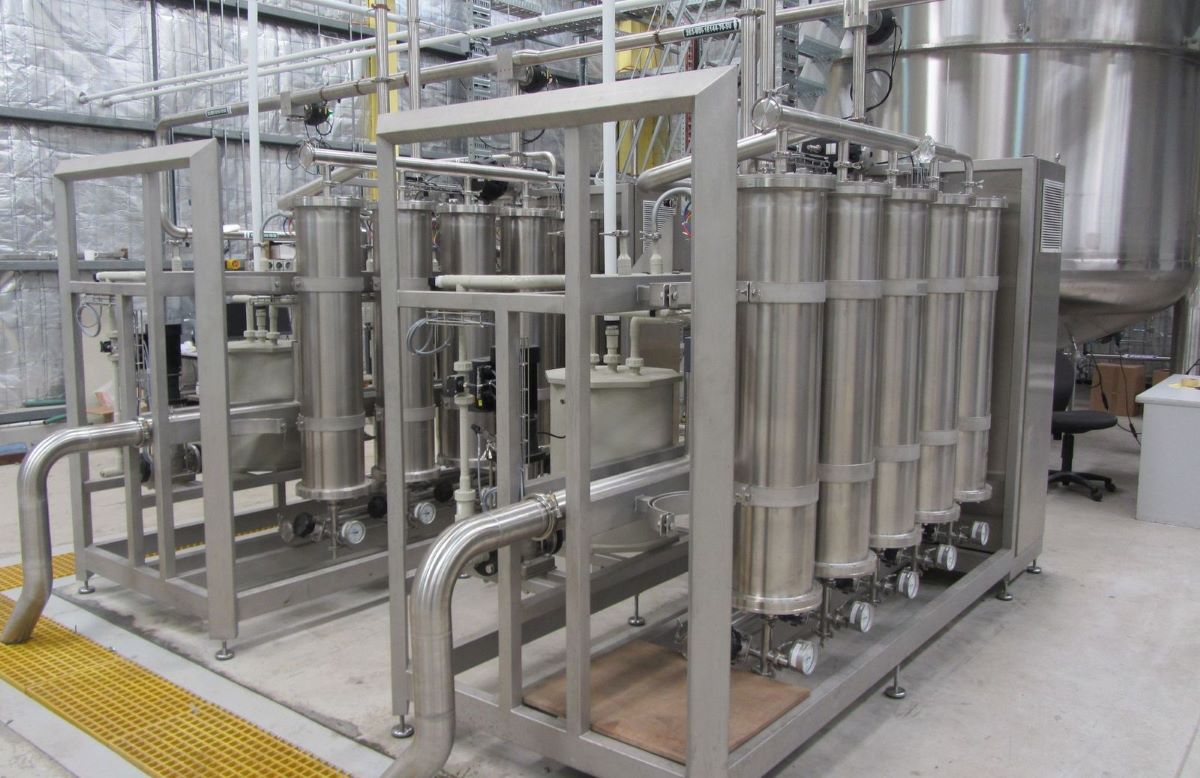
- Stainless steel multimedia filter: particulate removal
- Activated carbon vessels: dechlorination
- Water softeners: hardness control
Each served a recognised treatment function. However, our assessment found that the installed equipment was poorly matched to the actual feedwater and the flow requirements of the optimised RO.
The Problem With Multimedia Filtration
On this plant, the existing multimedia filter removed particles down to roughly 40 µm. The problem was the size of the solids in this water supply:
- Less than 1% of the solids load fell within the filter’s range.
- More than 99% was smaller than one micron: fine organic and inorganic colloids, the main fouling challenge for the RO membranes, which the existing filter removed very little of.
Silt density index (SDI) testing showed the extent of the problem. The standard test measures how quickly water blocks a 0.45 µm filter disc over 15 minutes, indicating its potential to foul RO membranes, and RO feedwater generally requires an SDI below 5. On this supply, the disc reached 75% blockage after just five minutes and the test had to be stopped, even though the water appeared perfectly clear in a glass.
The rest of the existing setup offered little help:
- 5 µm cartridge filters gave limited protection against sub-micron particles. Finer cartridges, including 1 µm filtration, would increase consumable replacement, while letting the material through would increase RO membrane fouling.
- The multimedia filter still needed regular servicing and backwashing, producing wastewater without addressing the main fouling load.
Activated Carbon and Biological Fouling
The activated carbon vessels presented a different problem. Dechlorination remained essential, because free chlorine can oxidise and damage chlorine-sensitive RO membranes, but the existing carbon arrangement created three issues:
- Restricted flow: the associated pipework could not meet the optimised RO system’s minimum feed requirements.
- Biological growth: static or low-flow operation let organic material accumulate and support bacterial growth, which could migrate downstream into the softeners and RO membranes, contributing to biological fouling.
- Wastewater: backwashing the carbon vessels generated more wastewater.
We proposed replacing the carbon vessels with low-flow sodium bisulphite dosing immediately ahead of the RO, rather than at the beginning of the treatment train. The location matters. Residual chlorine would remain in the upstream water, helping keep the proposed ultrafiltration membranes clean and protected from biofouling, and suppressing biological growth through the connecting pipework.
In the existing carbon-first arrangement, chlorine was removed early, leaving downstream equipment without that protection. This was particularly relevant given the contamination found in the softeners.
Did the Plant Need Water Softeners?
The softeners had two operational problems:
- Restricted flow, similar to the carbon vessels.
- Biological contamination, particularly in the brine tank. The tank was replenished with town water containing organic colloids and remained largely static between regeneration cycles, so organic material and biofilm accumulated. Each regeneration then carried contaminated brine back into the resin bed.
The feedwater hardness also raised a more fundamental question: was softening necessary at all? At around 15 ppm hardness, we determined that a low dose of antiscalant could provide adequate scale control for this water. Our experience with comparable supplies supports this: at a large Melbourne biotechnology facility, four independent purified water systems operate at 90% recovery behind ultrafiltration without water softeners.
Across all three components, the existing pretreatment introduced flow restrictions, maintenance costs and wastewater without adequately supporting the RO. The next step was an arrangement better suited to the feedwater and the plant’s operating requirements.
A More Suitable Approach to RO Pretreatment
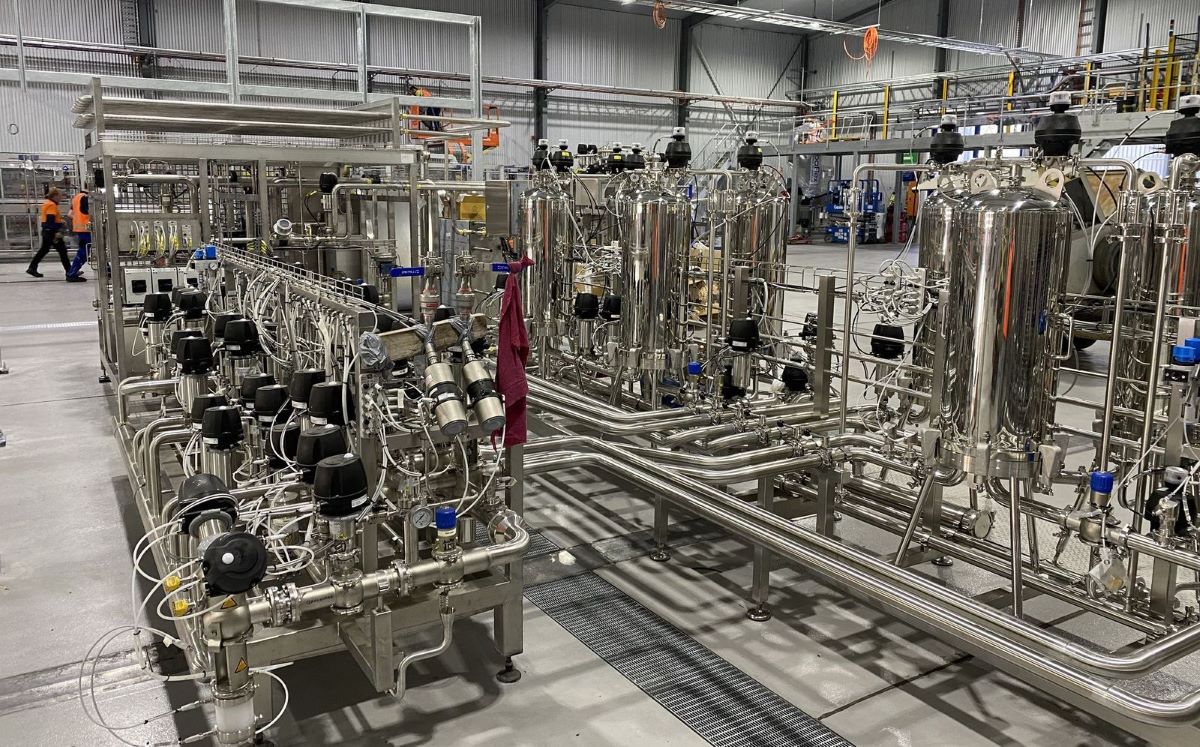
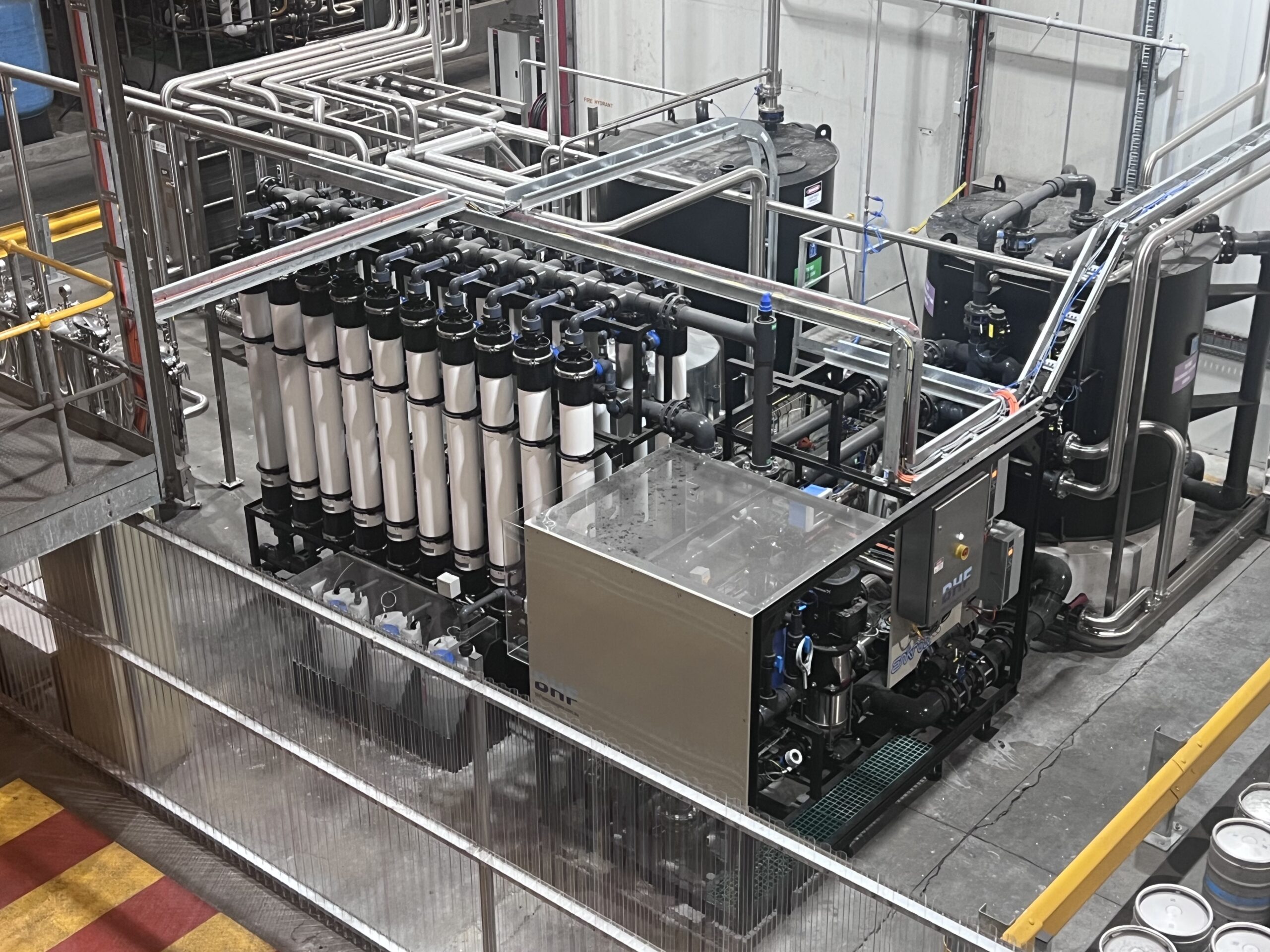
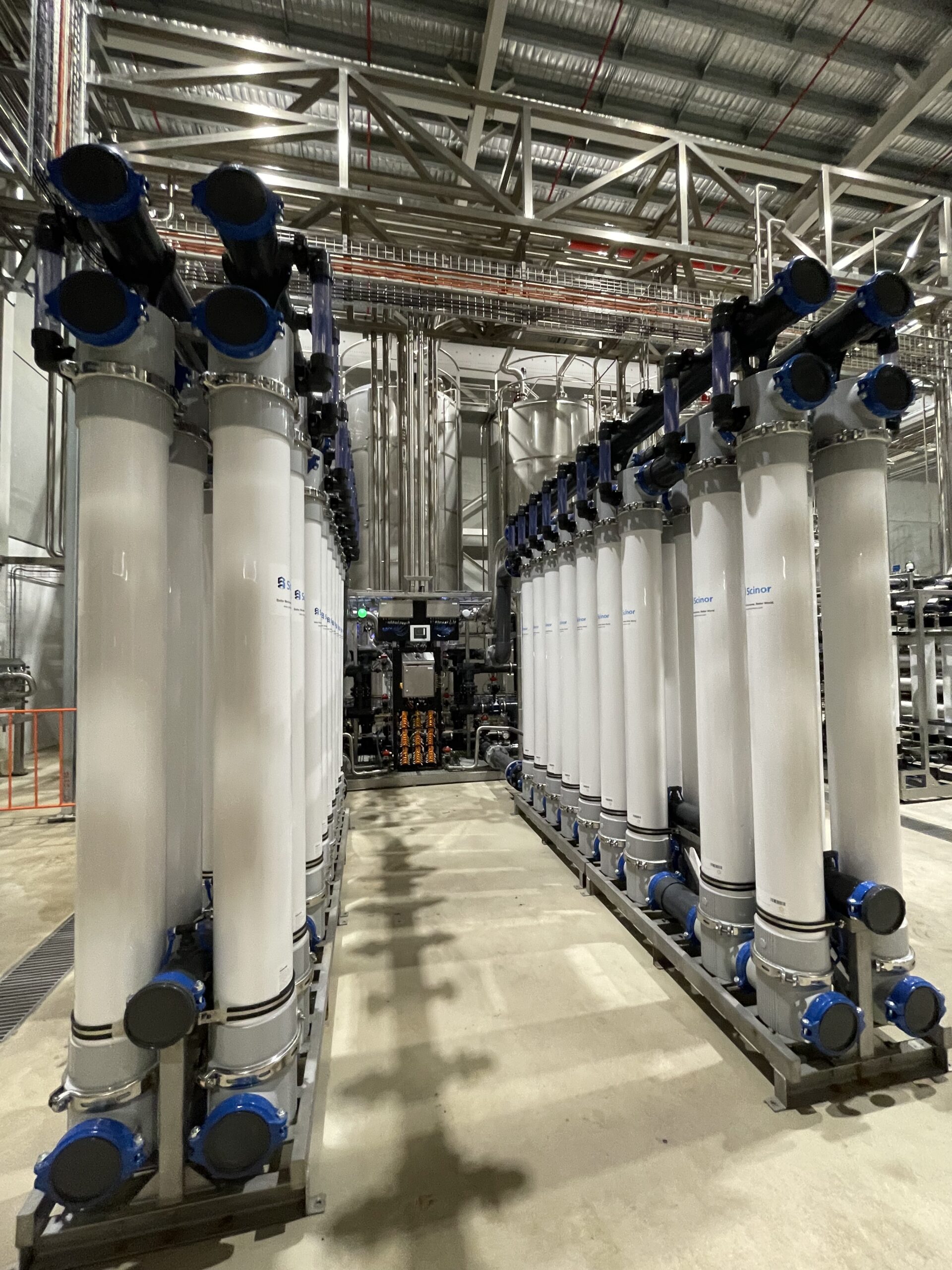
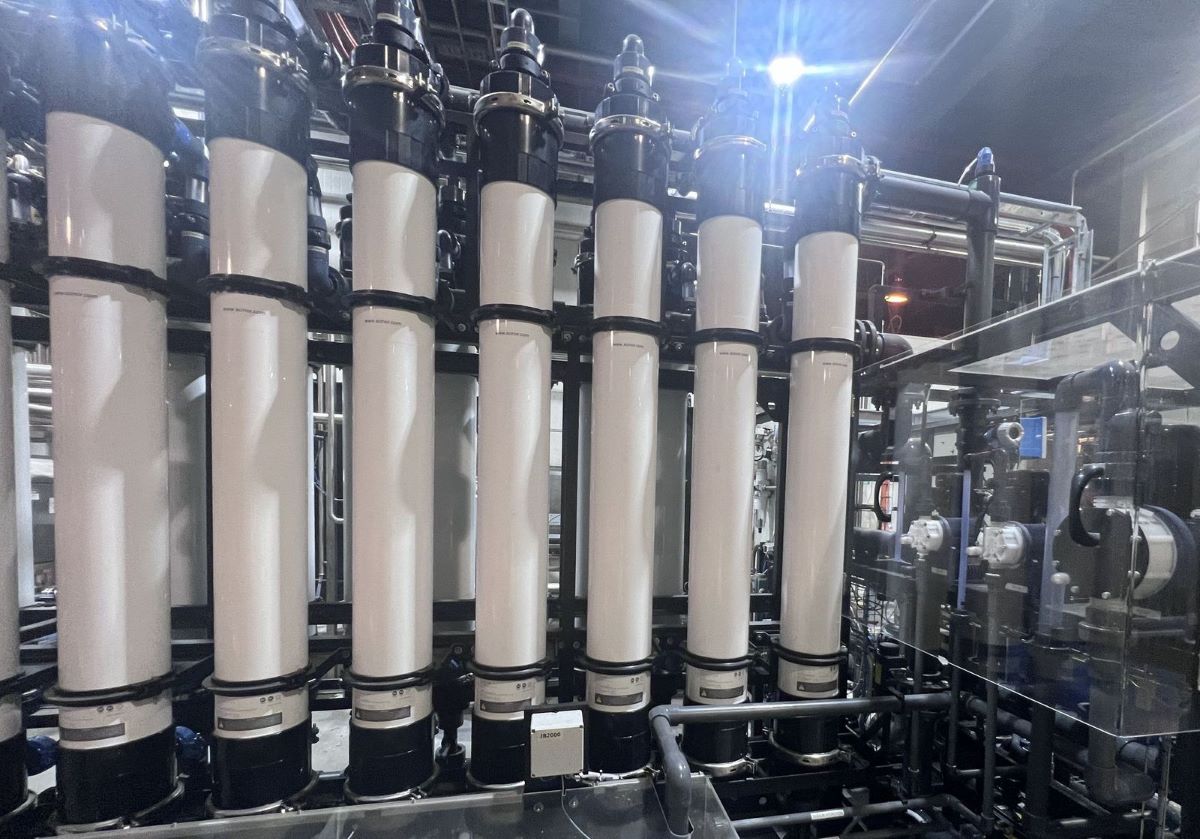
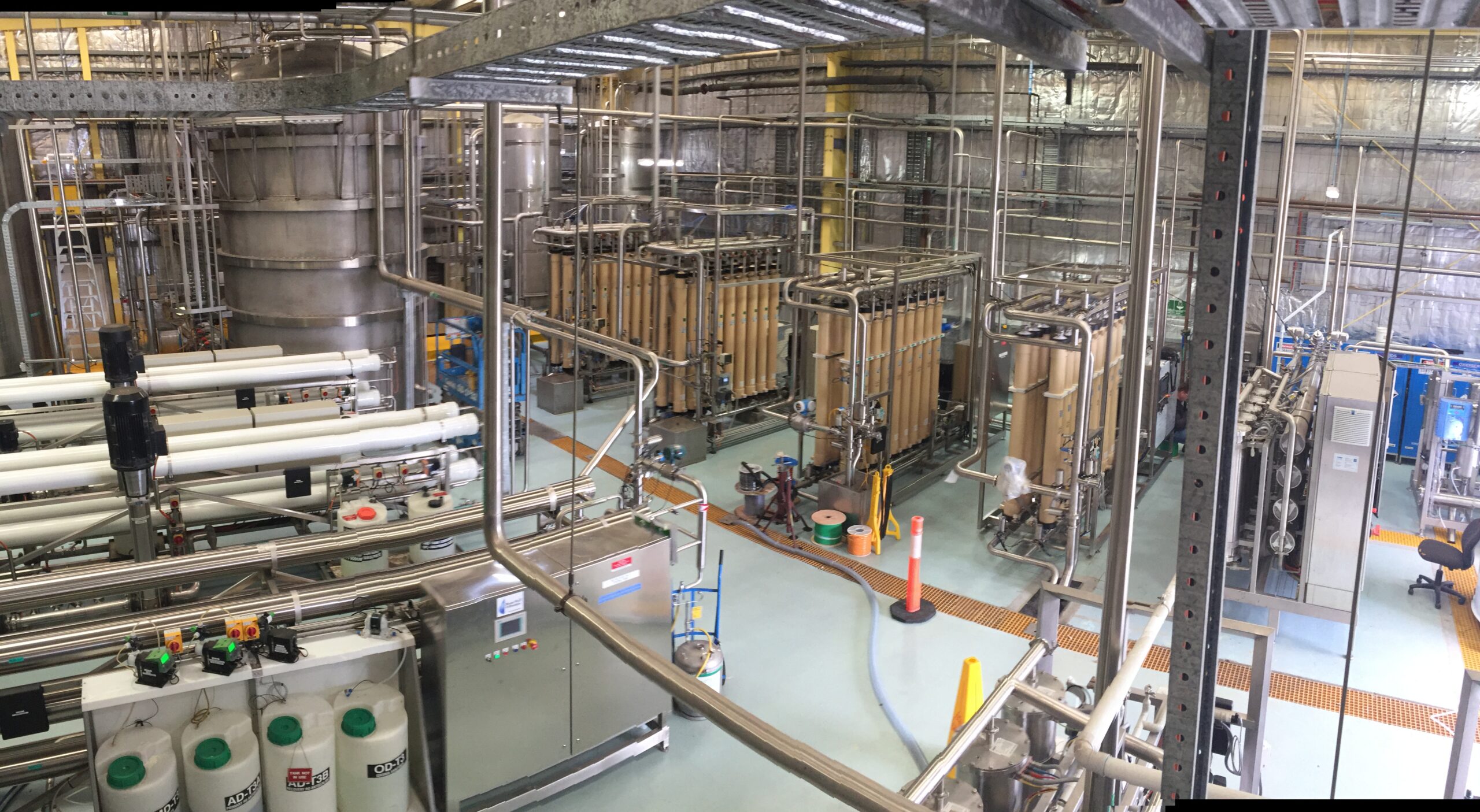
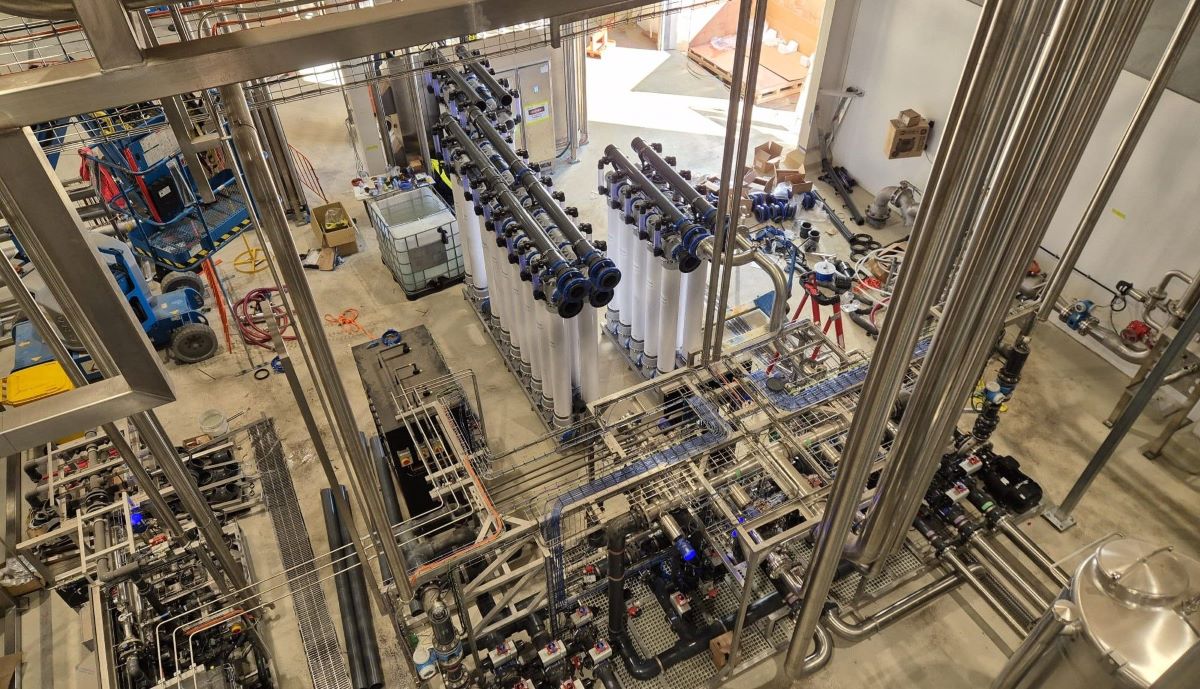
Our proposed solution was to replace the three existing components with ultrafiltration for RO pretreatment, followed by a two-stage chemical dosing system.
The comparison below shows how the recommended arrangement would replace the existing multimedia filtration, activated carbon and water softening stages.

Each part of the proposed system addresses a specific weakness:
- Ultrafiltration (UF): filters to around 0.03 µm, removing the sub-micron colloids the multimedia filter missed, which made up much of the incoming fouling load. It also reduces the organic nutrients that support microbial growth, which can affect membrane performance and, in hygienic or sterilising-grade applications, the required water quality specification. UF membranes clean automatically, and those in our reference systems have lasted up to ten years.
- Sodium bisulphite dosing: neutralises free chlorine immediately before the RO, replacing the carbon vessels.
- Antiscalant dosing: provides scale control without the existing softeners.
Both dosing stages use very little chemical, so running costs stay low. Replacing the carbon and softening vessels also removes their flow restrictions, a problem that servicing those vessels alone would not fix.
The proposed system would still generate some wastewater, as UF was expected to have a waste component of around 5%. However, the higher RO recovery it could support would more than compensate for this loss.
What Could the Plant Achieve?
The proposed pretreatment was intended to produce a more reliable RO feed, with the following improvements compared with conditions found during our assessment:
| Measure | As found | Proposed condition |
| Fouling index | 75% test-disc blockage in 5 minutes | SDI below 1 |
| Free chlorine | Present in the feedwater | Below 0.1 ppm before RO |
| Fine colloidal load | Very high; over 99% sub-micron | UF filtration to around 0.03 µm |
| Scale control | Existing softening arrangement | Antiscalant dosing |
With these conditions as the design target, we projected a 30% increase in RO output and an improvement in total plant recovery from 60% to 85 to 90%. The proposed arrangement was also expected to reduce maintenance requirements and extend membrane life.

The RO was also projected to produce permeate with conductivity of 1 µS/cm or less while meeting a tight microbiological specification.
These figures are projected outcomes for this plant, not measured post-upgrade results.
What Does This Mean for Wastewater Discharge?
The benefit becomes clearer when considering the water discharged for a fixed volume of purified water.
At 60% total plant recovery, producing 100 litres of purified water required around 167 litres of incoming water, leaving 67 litres discharged to drain.
At a projected 85 to 90% recovery, producing the same 100 litres would discharge only 11 to 18 litres.

As the comparison shows, this represents a potential reduction of 73 to 83% in wastewater discharge for the same purified water output.
Importantly, the projected total plant recovery already accounts for wastewater generated by UF. Removing the existing multimedia and carbon backwashing and softener regeneration processes would also eliminate their associated wastewater streams.
Is the Investment Worthwhile?
The assessment identified two distinct opportunities for improvement.
The first involved correcting the RO flow restrictions through relatively minor pipework modifications. This required little capital expenditure and addressed an immediate cause of membrane fouling.
The second involved replacing the pretreatment to sustain higher recovery. Although this required capital investment, we evaluated its potential return over a three-to-five-year horizon through reduced consumables, maintenance labour, membrane replacement and wastewater charges.
Consistent purified water quality was another important consideration. For a production site, a plant that reliably meets its required specification offers value beyond direct operating savings.
Our Melbourne biotechnology reference systems provided a practical basis for these expectations. The four independent RO systems operate at 90% recovery behind ultrafiltration and have demonstrated RO membrane life of up to five years.
If This Sounds Like Your Plant
This assessment demonstrates why reducing wastewater is not always a matter of installing additional equipment.
The conditions found on this plant are not unique. Your plant may be in a similar position if it has:
- Surface water supply with high colloidal or organic content
- An off-the-shelf pretreatment package designed for generic water rather than your actual supply
- Low feedwater hardness, but a softener still being run and maintained
- A plant modified since commissioning, where flows may have drifted from design
- Frequent cartridge replacement and short RO membrane life accepted as normal
None of these issues alone guarantees that higher recovery is achievable. However, reviewing flow dynamics, feedwater characteristics and pretreatment requirements can reveal where relatively simple corrections are possible and where further investment is justified.
Talk to Us
Before investing in additional recovery equipment, it is worth establishing what the existing plant can achieve. The opportunity may already be there.
For facilities experiencing excessive wastewater discharge, membrane fouling or high consumable costs, our team can assess plant performance and identify practical improvements.
To discuss your water recovery requirements or arrange a plant review, contact the BHF team.
Frequently Asked Questions
Not necessarily. On this plant, minor pipework modifications corrected restricted RO flow and demonstrated higher recovery potential without purchasing new equipment. The pretreatment then needed to be assessed to determine whether it could sustain that improvement.
Not always. For this site’s chemistry, at around 15 ppm hardness, antiscalant dosing could provide the necessary scale control without conventional softening. The decision depends on the actual feedwater chemistry and operating requirements.
Yes. The proposed UF system was expected to generate around 5% wastewater. However, projected total plant recovery of 85 to 90% already accounts for that stream. Removing the existing multimedia, carbon and softening components would also eliminate their associated backwashing and regeneration wastewater.