















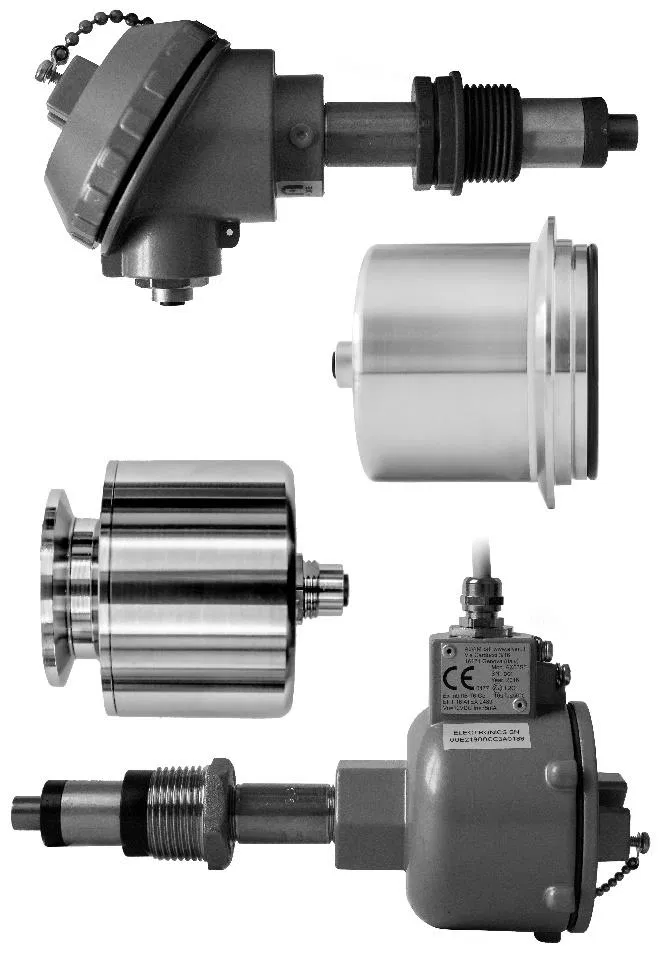
Biofilm Sensor
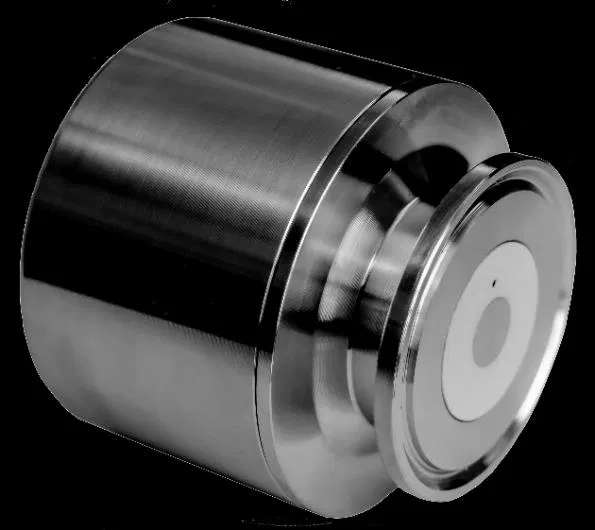
The AS11S3 is a hygienic biofilm sensor from ALVIM, designed for real-time, early detection of bacterial growth on surfaces in contact with water and other process liquids. Its flat, hygienic connection and high resistance to chemical treatment make it suited to applications where hygiene is critical.
Biofilm causes microbial corrosion, reduces the efficiency and lifetime of heat exchangers and membranes, and provides an environment for pathogens such as Legionella, Listeria and Staphylococcus to survive and multiply. The AS11S3 detects bacterial colonisation from the very first layer, well before it becomes visible or measurable by other means,
Technical Specifications
| Parameter | Detail |
|---|---|
| Connection to process | 1″ – 1½” DIN 32676, ISO 2852 |
| Materials in contact with process | Stainless steel (working electrode, fitting), coated titanium (counter electrode), PEEK |
| Sensitivity | First bacterial layer |
| Dimensions | Ø65 mm body, Ø50.4 mm face, 61.5 mm length |
| Operating temperature | -10°C to +150°C (biofilm monitoring range: +2°C to +40°C) |
| Oxygen | >1 ppm |
| Pressure | Determined by clamp |
| Conductivity | >10 µS/cm |
| Power supply | 12/24 V DC ±20%, 500 mA |
| Data communication | 4-20 mA and RS485/MODBUS RTU |
| Wiring | 6-wire cable, external diameter <8 mm, wire section 0.5 mm² (2 wires power, 2 wires RS485/MODBUS, 2 wires 4-20 mA) |
| Software (RS485/MODBUS) | PC with Windows XP/7/8/10, 1 GHz CPU, 512 MB RAM, 200 MB free disk space, RS485 serial interface or USB-RS485/MODBUS converter |
Features and Benefits
- Early warning of biofilm formation, before it becomes established and resistant to treatment – a mature biofilm’s EPS matrix can be up to 1000x more resistant to biocide than free-floating bacteria
- Reduces the risk of pathogen proliferation, since biofilm is the primary reservoir for bacteria such as Legionella, Listeria and Staphylococcus
- Supports optimisation and validation of biocide and sanitation programs, allowing dosing to be triggered by actual biofilm activity rather than a fixed schedule
- Protects asset performance by flagging fouling before it reduces heat exchanger efficiency (losses of 30%+ are common with untreated biofilm) or shortens membrane life
- Hygienic, flat-face design and chemically resistant materials suit demanding process environments, including food and beverage, pharmaceutical, and water treatment applications
- Enables real-time, continuous, and remote monitoring via 4-20 mA or RS485/MODBUS RTU, for integration into existing control and SCADA systems
- Proven in use by organisations including MIT, Danone, Total, Naval Group and Engie Laborelec
Product Applications
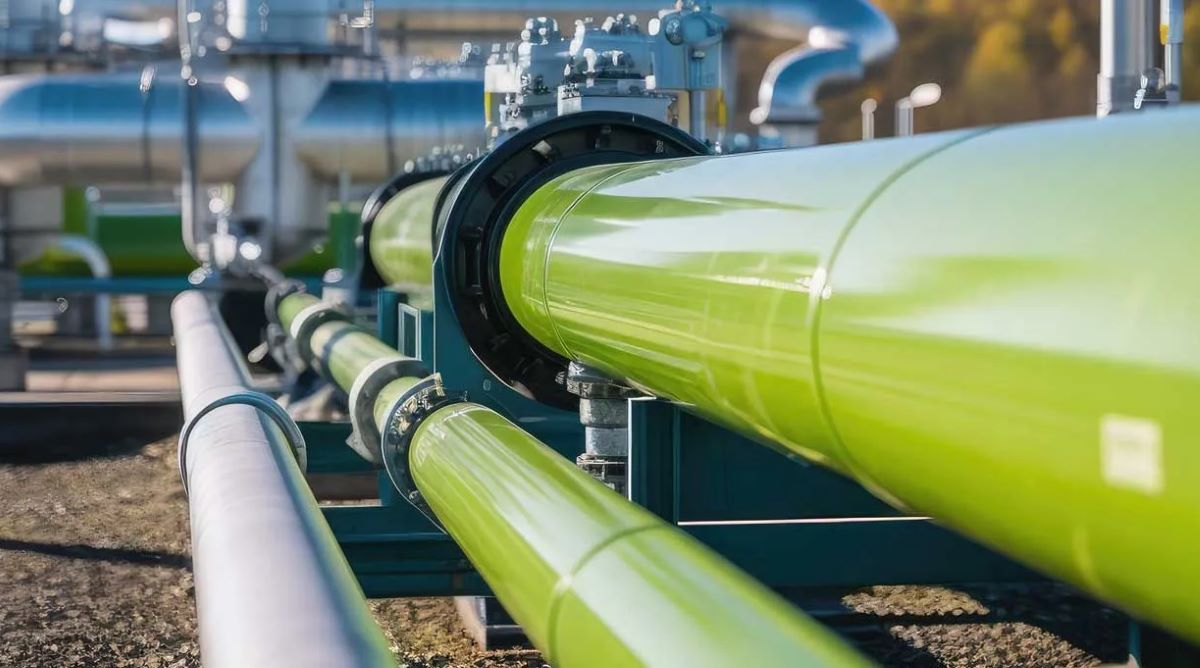
- Biofilm growth analysis and characterisation in civil and industrial piping systems
- Comparative assessment of different chemical biocides or sanitation treatments
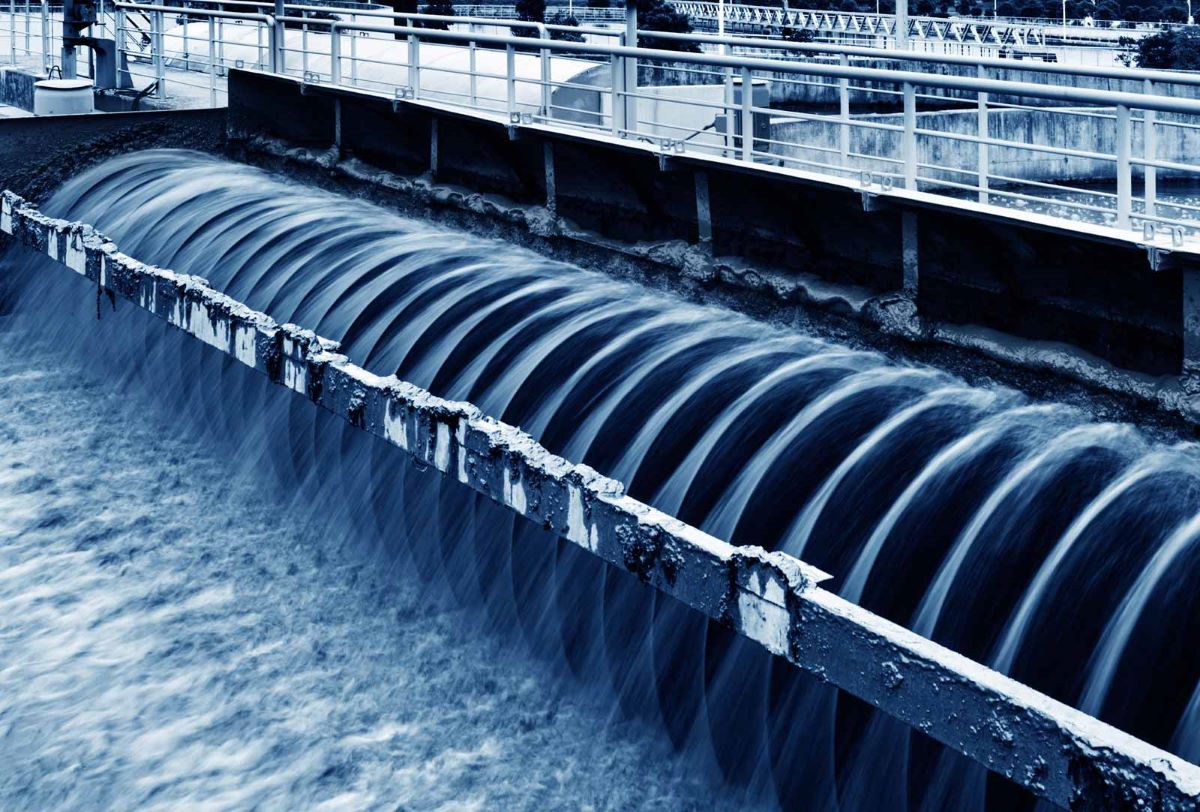
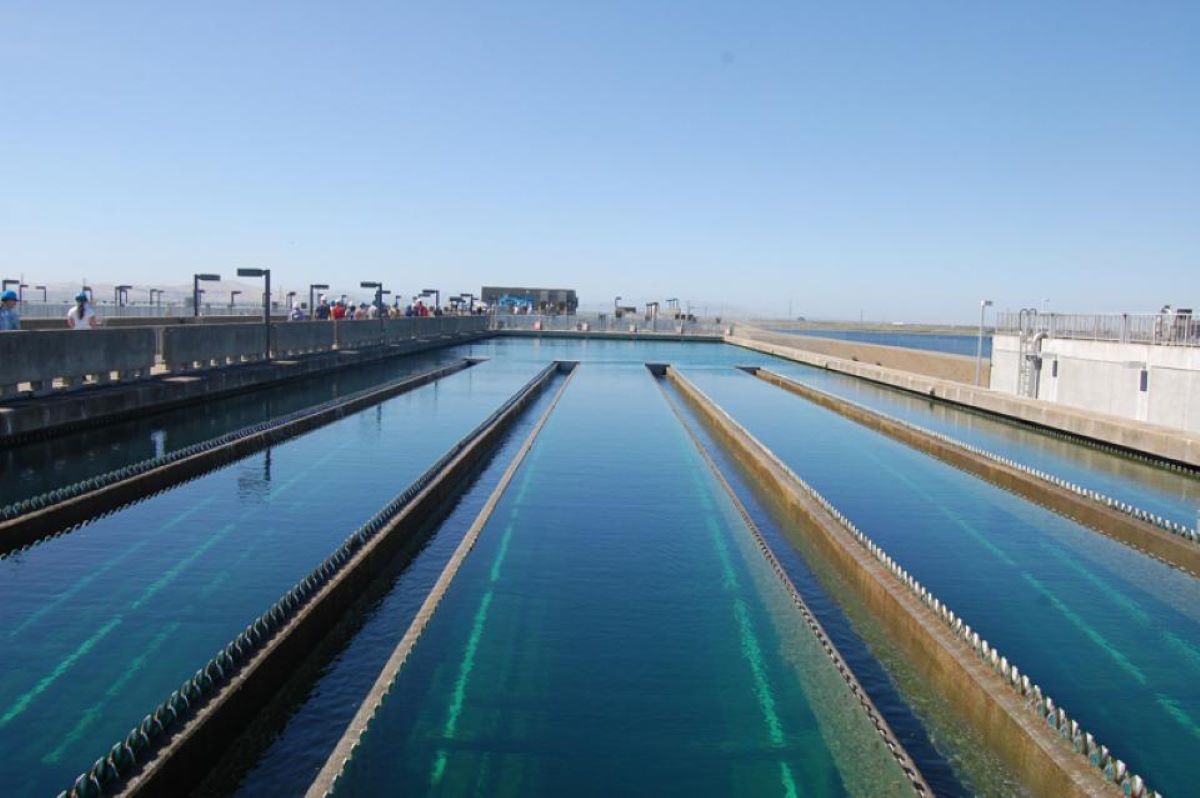
- Real-time, continuous monitoring of water treatment systems
- Automatic or remote control and optimisation of sanitation dosing
- Pathogen prevention (Legionella, Listeria, Staphylococcus) in cooling towers, food production, drinking water systems, and hospitals