













Beer Filtration Methods Explained: From Clarification to Sterile Filtration
October 22, 2026

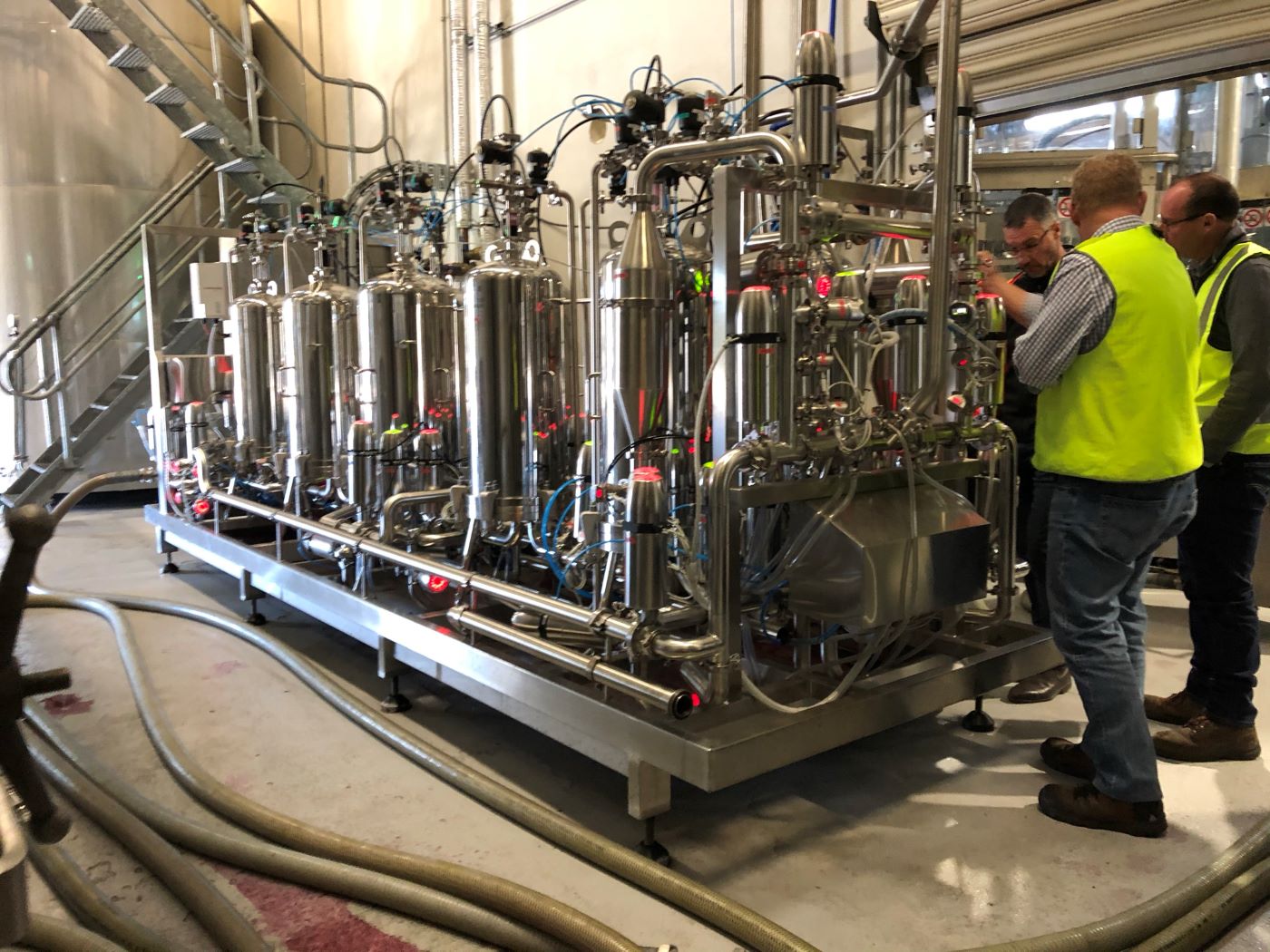
Beer filtration determines three things before a beer is packaged: how clear it looks, how stable it stays in trade and how much microbiological risk goes with it into the keg, can or bottle. Rather than relying on a single filter, most breweries run a sequence that moves from clarification to fine membrane or sterile filtration, with each stage removing finer material and protecting the next.
Getting that sequence right is a production decision as much as a quality one. It affects product consistency, filter costs and line efficiency, and the right setup depends on each brewery’s beer styles, volumes, packaging and quality targets.
What Is Beer Filtration?
Beer filtration removes yeast, haze-forming particles and other suspended solids by passing beer through a filter medium. It takes place after fermentation and cold conditioning, before the beer moves to the bright beer tank and packaging. Australia’s national brewing qualification frames the operator’s job here around one outcome: producing bright beer (training.gov.au).
“Bright beer” is beer clarified until it looks clear rather than cloudy, with yeast and visible haze removed, ready for final carbonation and packaging in the bright beer tank. It is not a fixed standard. Each brewery sets its own target, and some beers are deliberately left unfiltered. That target depends on what the brewery wants filtration to achieve.
Why Breweries Filter Beer
In most breweries, that comes down to three outcomes:
- Clarity: removing yeast and fine particles that appear as haze, which matters most in styles such as lagers and pilsners.
- Stability: reducing haze-forming material so the beer holds its appearance through distribution.
- Microbiological control: reducing spoilage organisms before filling, especially for unpasteurised beer.
How a brewery weighs these outcomes decides which methods it uses, and in what order.
Main Beer Filtration Methods
The main beer filtration methods work from coarse to fine, each with a distinct role:
| Method | How it works | Typical role |
| Centrifugation | Spins beer at high speed to separate yeast and heavier solids | Pre-clarification before filtration |
| Diatomaceous earth (DE) | Builds a porous bed of filter aid that captures suspended particles | Primary clarification, mainly in high-volume breweries |
| Depth filtration | Traps particles throughout the thickness of the filter medium | Clarification and prefiltration |
| Sheet and lenticular filtration | Depth media in flat sheets or enclosed, stacked modules | Clarification and polishing |
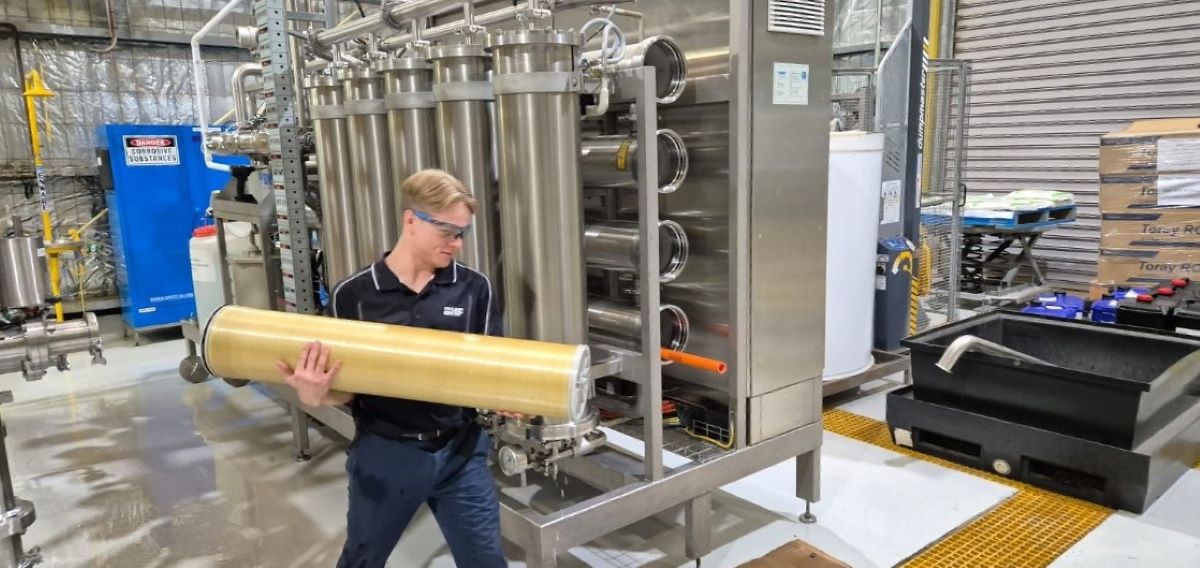
| Membrane filtration | Retains particles at the surface of a membrane with a defined rating | Final filtration and microbial control |
| Sterile filtration | Validated membrane cartridges as the last step before filling | Removal of beer-spoilage organisms without heat |
Of these, DE filtration remains common in larger breweries for its throughput, but involves filter aid handling and disposal. Some DE grades contain crystalline silica, and Australian work health and safety rules for materials containing at least 1% crystalline silica were strengthened from 1 September 2024. Breweries using DE should check their grade’s safety data sheet and confirm obligations with their state regulator (Safe Work Australia).
At the other end of the table, “sterile” in brewing means removing beer-spoilage organisms, not pharmaceutical sterility. It is a cold alternative to pasteurisation, but not every beer needs it, which is why the difference between clarification and sterile filtration matters.
Beer Clarification vs Sterile Filtration
Clarification is about what the drinker sees; sterile filtration is about what happens after the beer leaves the brewery. Sterile filtration relies on good clarification upstream, as poorly clarified beer blocks membranes quickly.
| Criteria | Clarification | Sterile filtration |
| Main objective | Remove yeast, solids and haze | Remove beer-spoilage organisms |
| Typical methods | Centrifuge, DE, depth, sheet or lenticular | Validated membrane cartridges |
| Retention | Mostly nominal | Absolute, with defined microbial retention |
| Position in process | After cold conditioning | Last step before filling |
| Integrity testing | Not usually applied | Used to confirm the membrane is intact |
| Needed for every beer? | Depends on style and clarity target | No, mainly unpasteurised or higher-risk beer |
The two serve different purposes, but on the production line they form one connected sequence.
Where Filtration Fits in the Brewing Process
Filtration typically runs as a series of stages between cold conditioning and packaging:
- Settling or centrifugation reduces yeast and solids, giving downstream filters a lighter load.
- Primary clarification using DE, depth or sheet filtration removes most remaining suspended material.
- Polishing catches finer particles that would otherwise shorten membrane life.
- Final filtration happens just before the bright beer tank or packaging line, using a polishing filter or a membrane rated for microbial retention.
Because each stage protects the next, a membrane that blocks quickly usually points to a prefiltration problem rather than the membrane itself. For the same reason, equipment choices are best made with the whole line in view.
Choosing the Right Filtration Approach for Your Brewery
The right approach meets each product’s clarity and microbial targets at a sustainable cost, without stripping the beer’s character. The key factors are:
| Factor | What to consider |
| Beer style and clarity target | A lager may need full clarification and polishing, while a hazy beer may need light filtration or none |
| Volume and flow rate | Batch size, tank turnaround and filler speed set the flow the system must sustain |
| Microbial risk | Unpasteurised beer and longer supply chains make finer or sterile-grade filtration easier to justify |
| Product loss and quality | Every filter holds back some beer, and tighter filtration can affect colour, foam and hop character |
| Operating cost | Filter consumption, cleaning, water, labour, downtime and disposal all count, not only purchase price |
Before committing to a new setup, trials on the brewery’s own beer are the most reliable check, which is where an experienced filtration partner adds real value.
How BHF Supports Australian Breweries
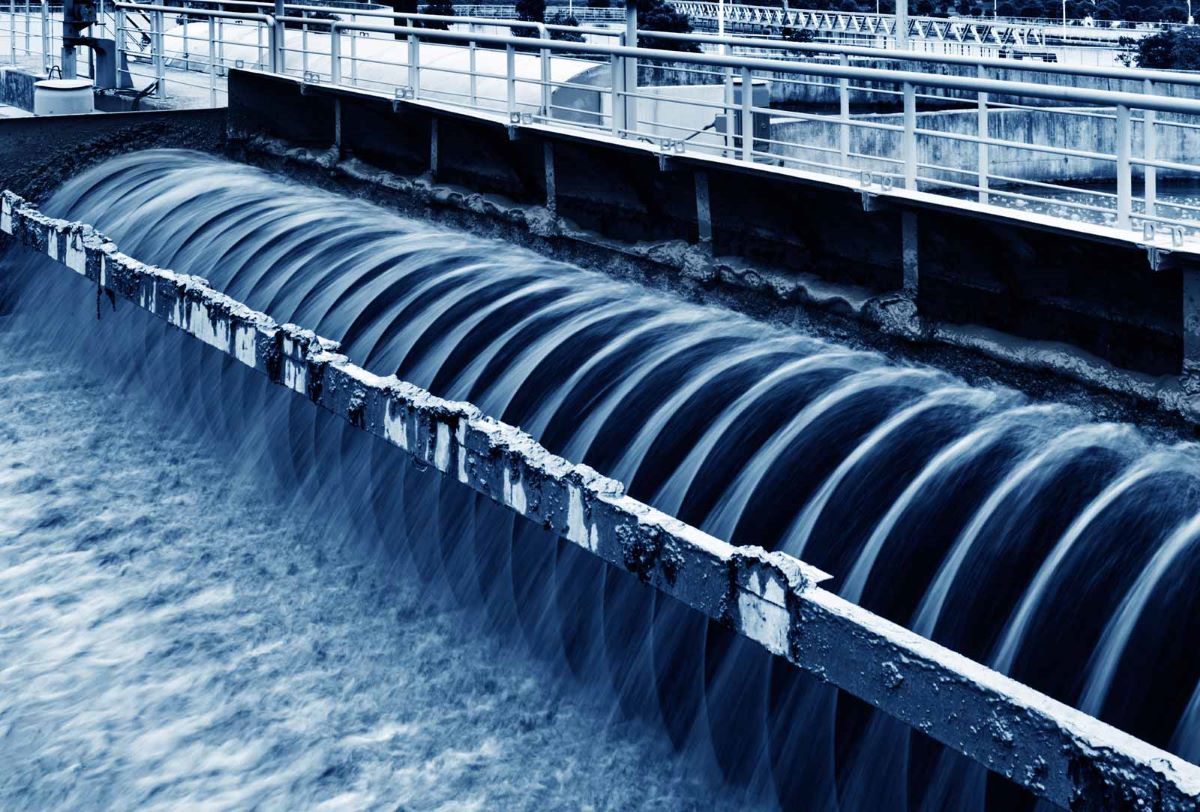
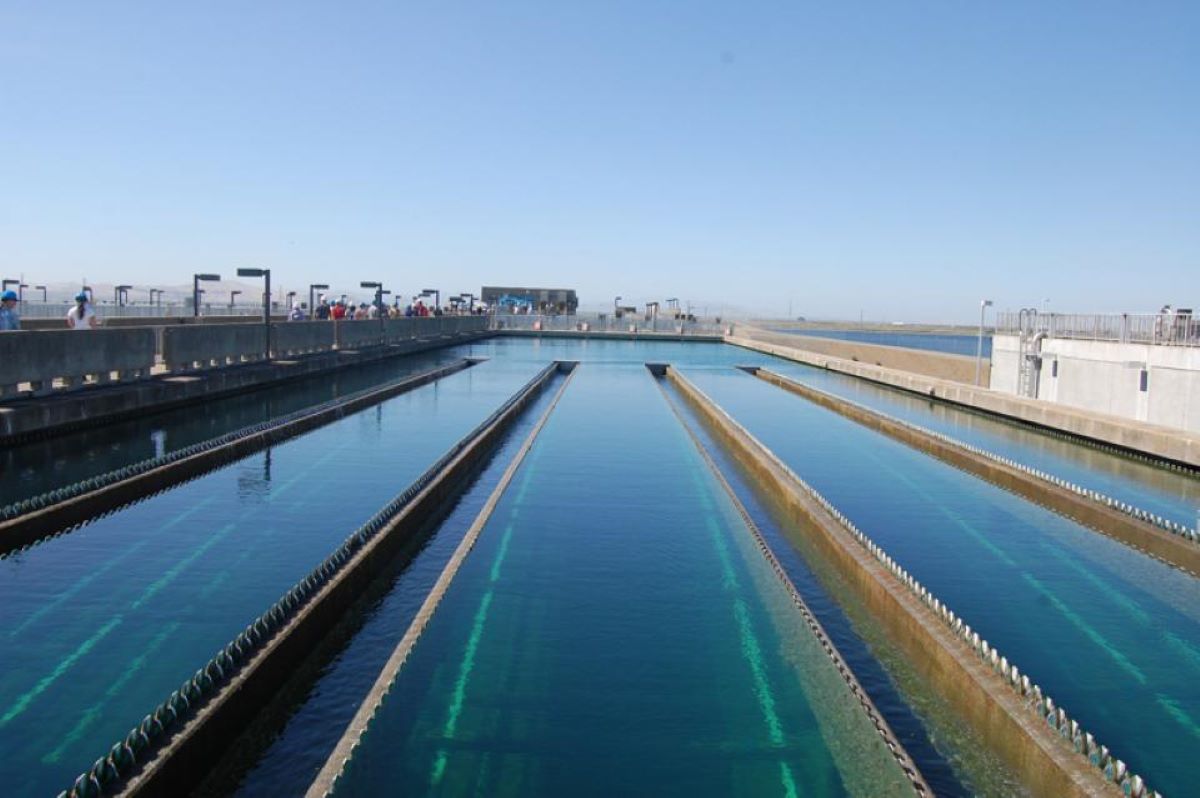
That partnership often extends beyond the beer itself. Brewing water follows the same principles: each stage protects the next, and microbial control must be verifiable.
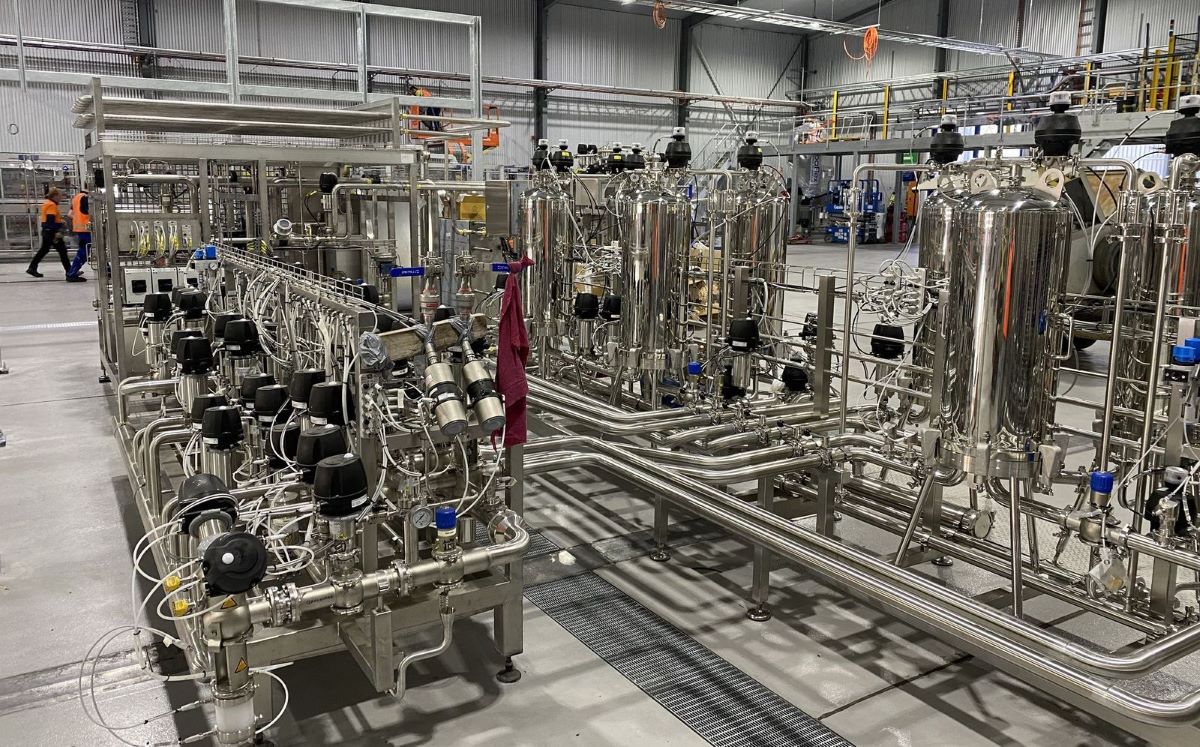
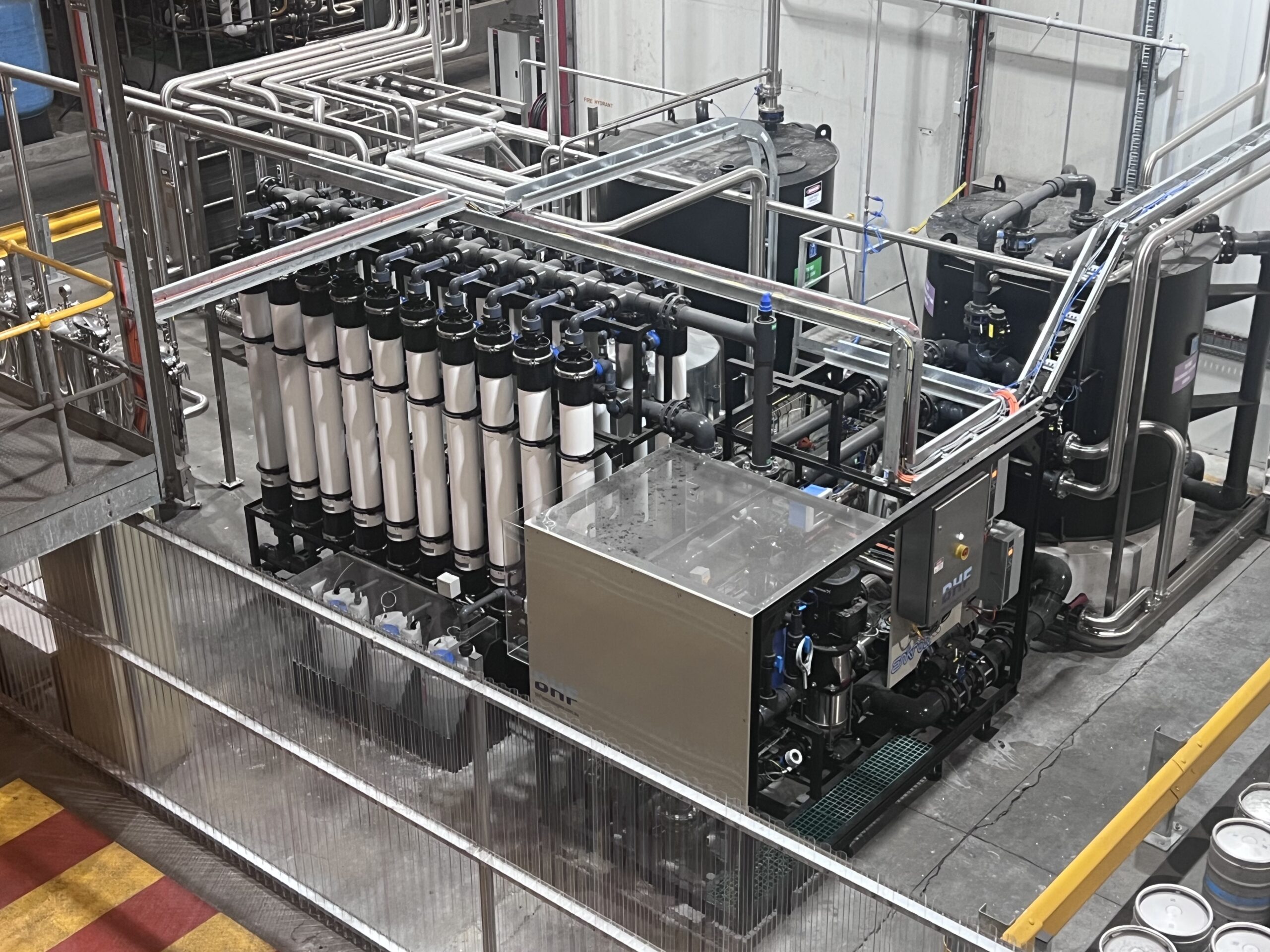
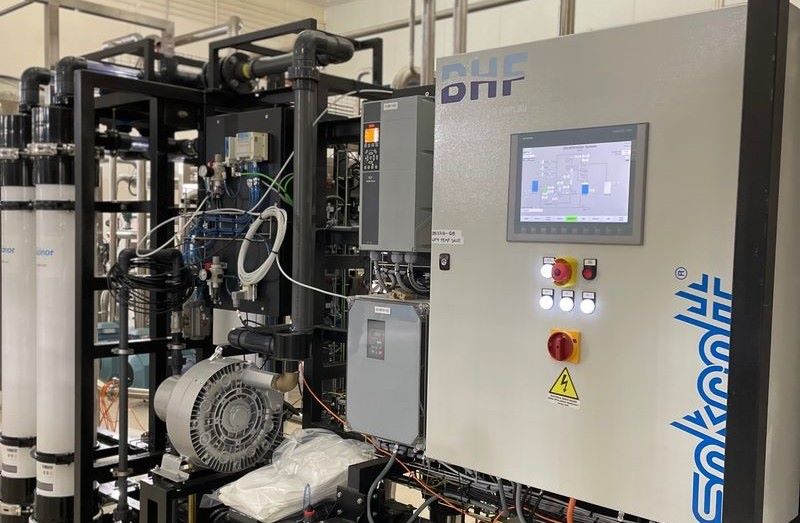
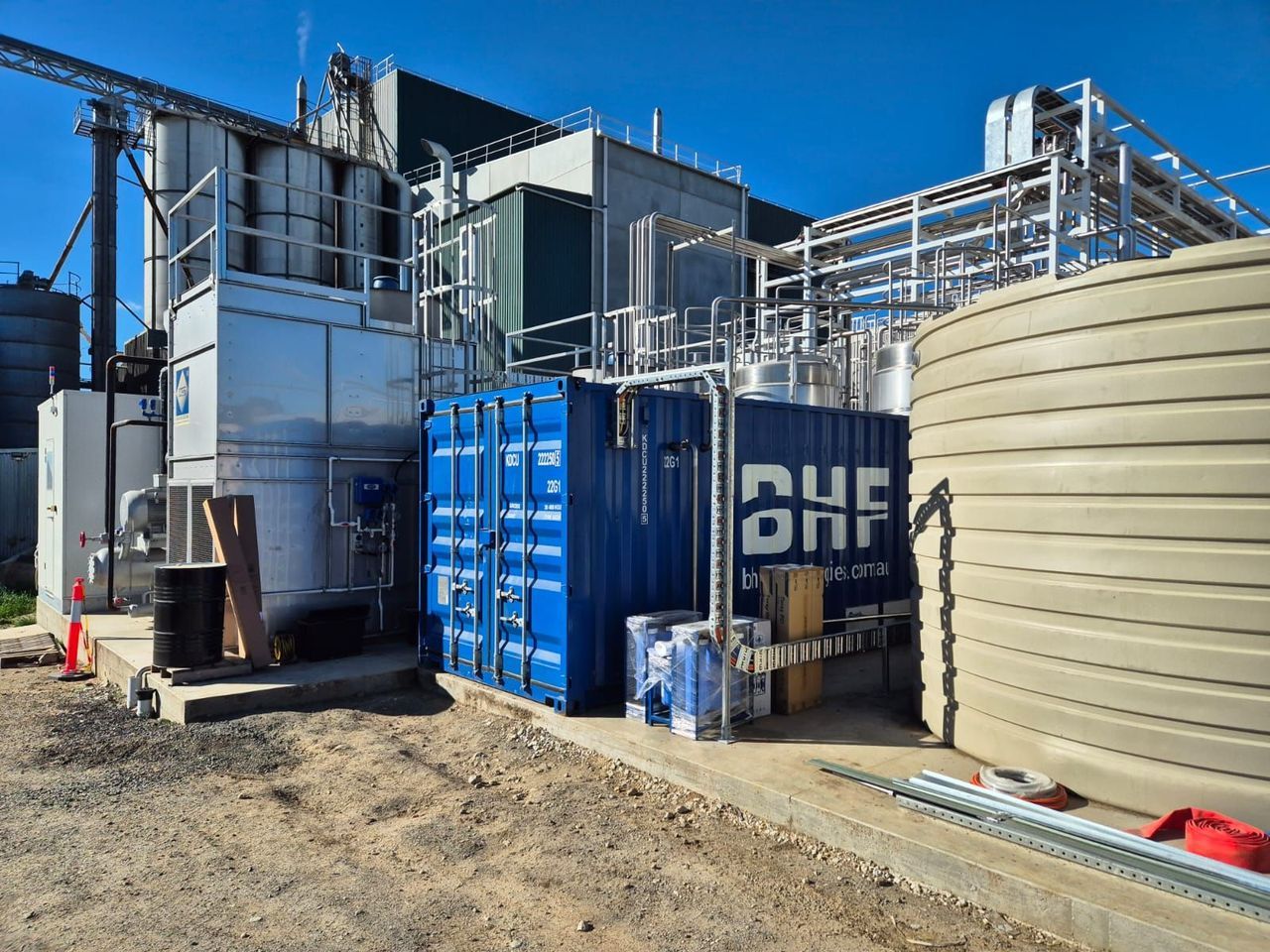
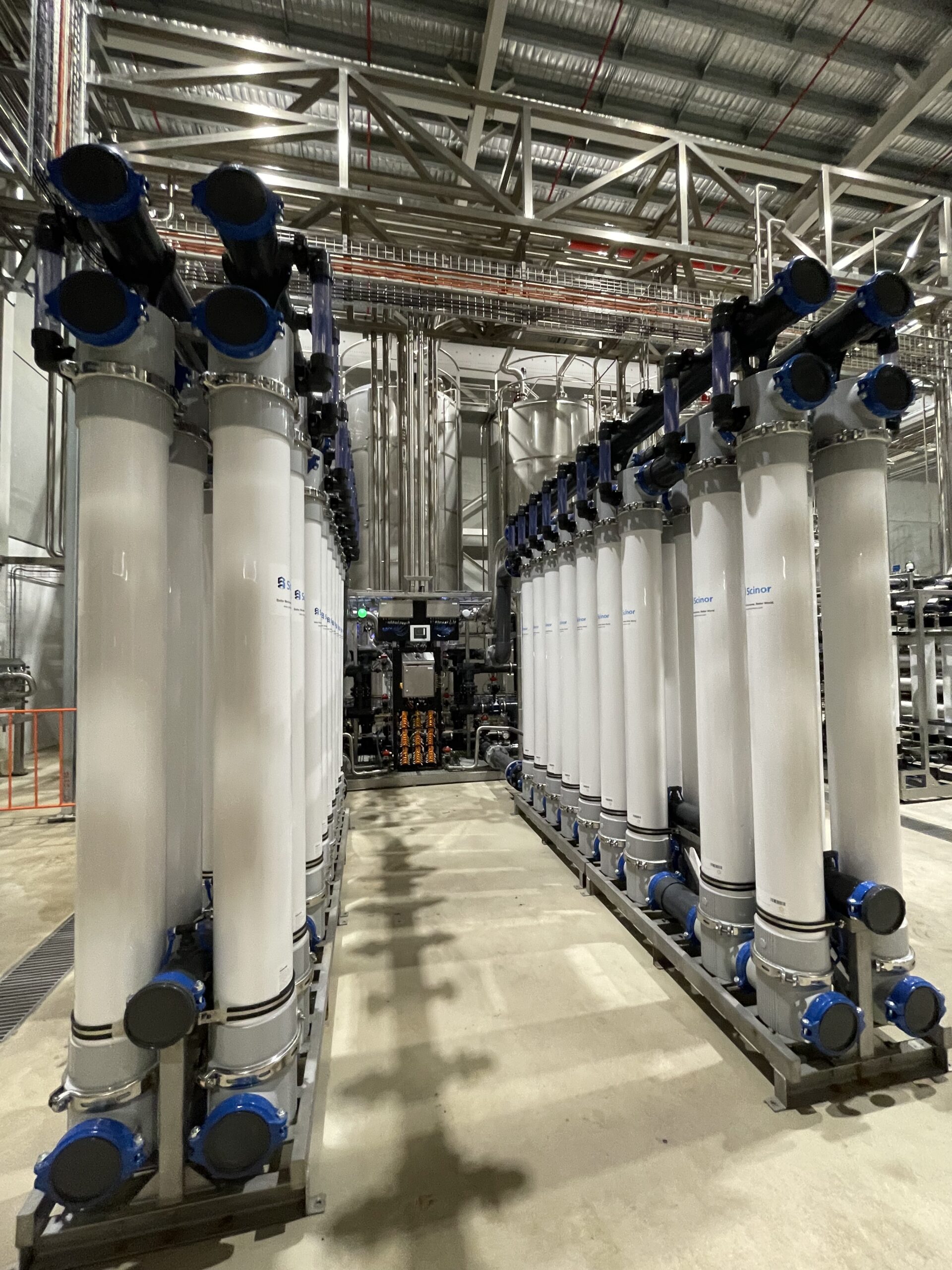
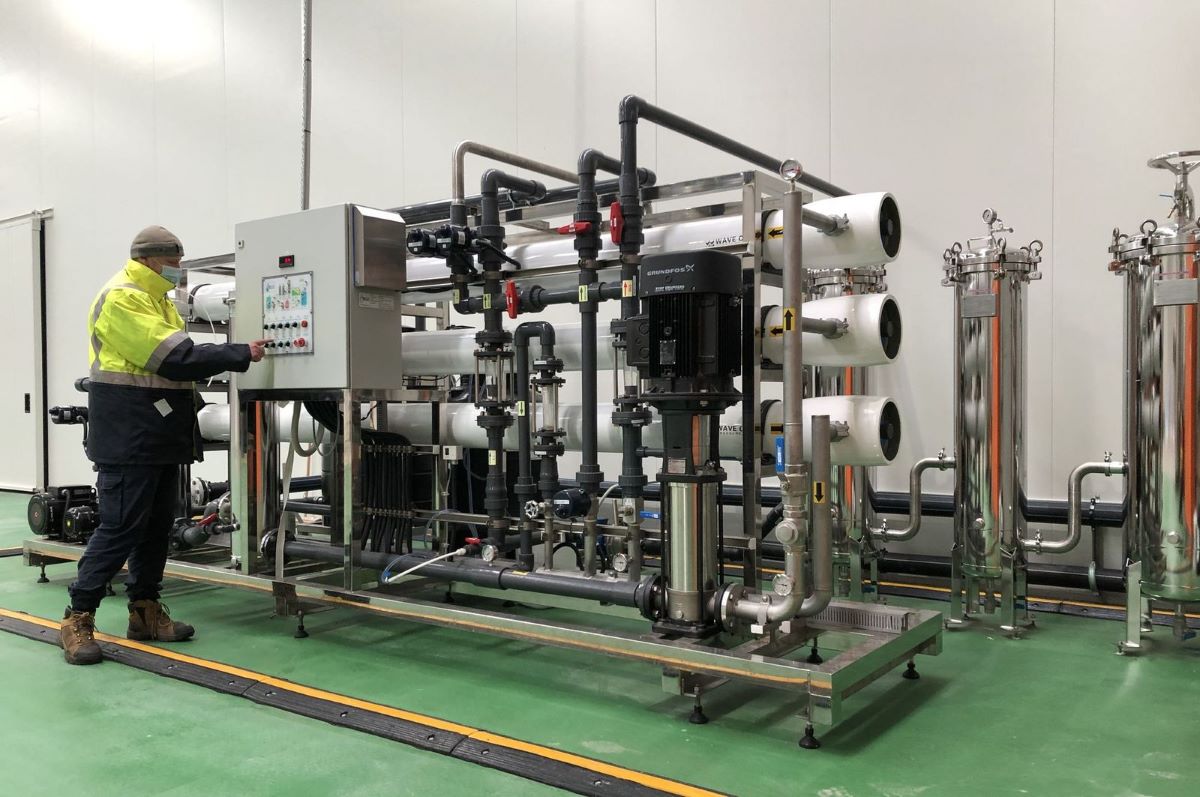
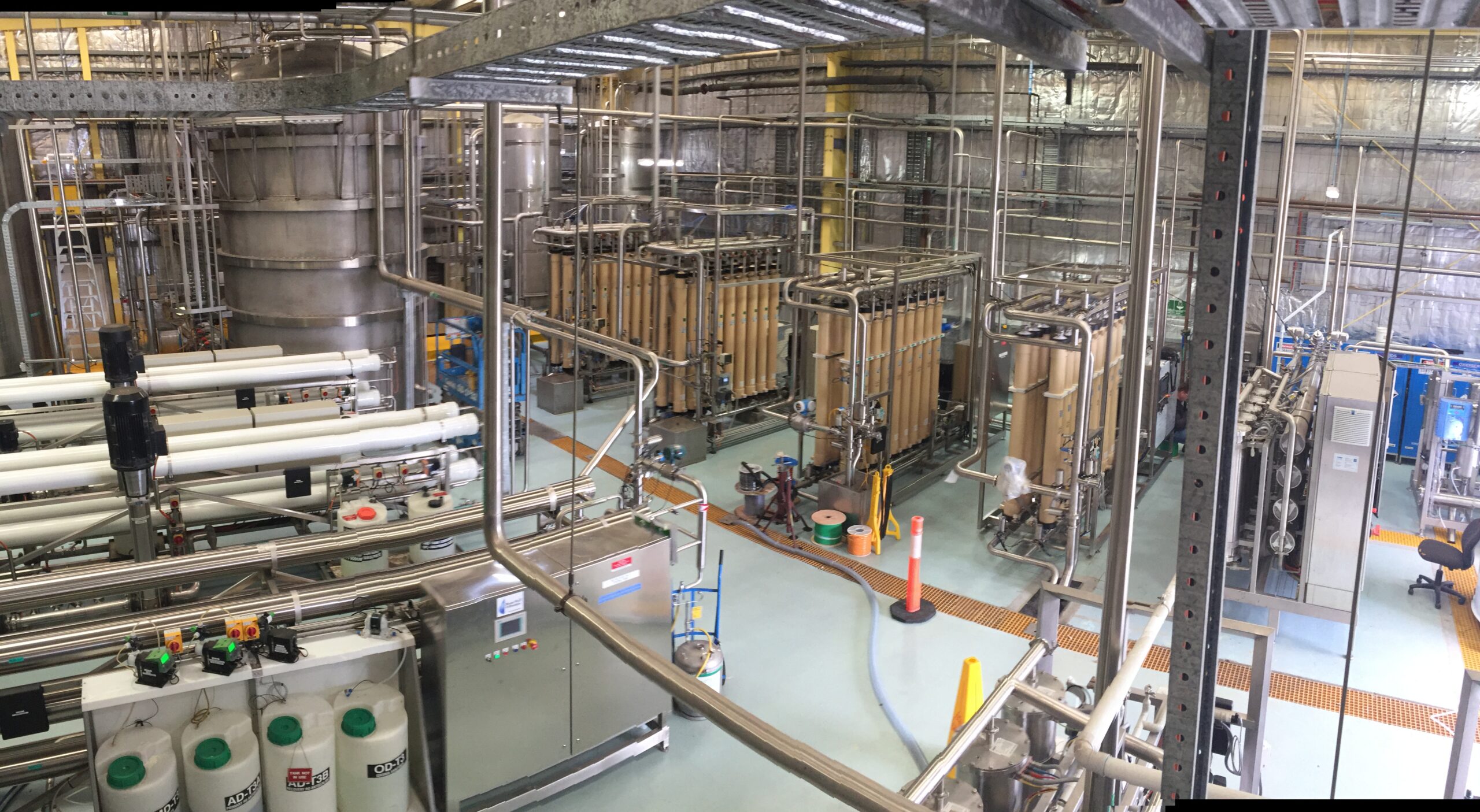
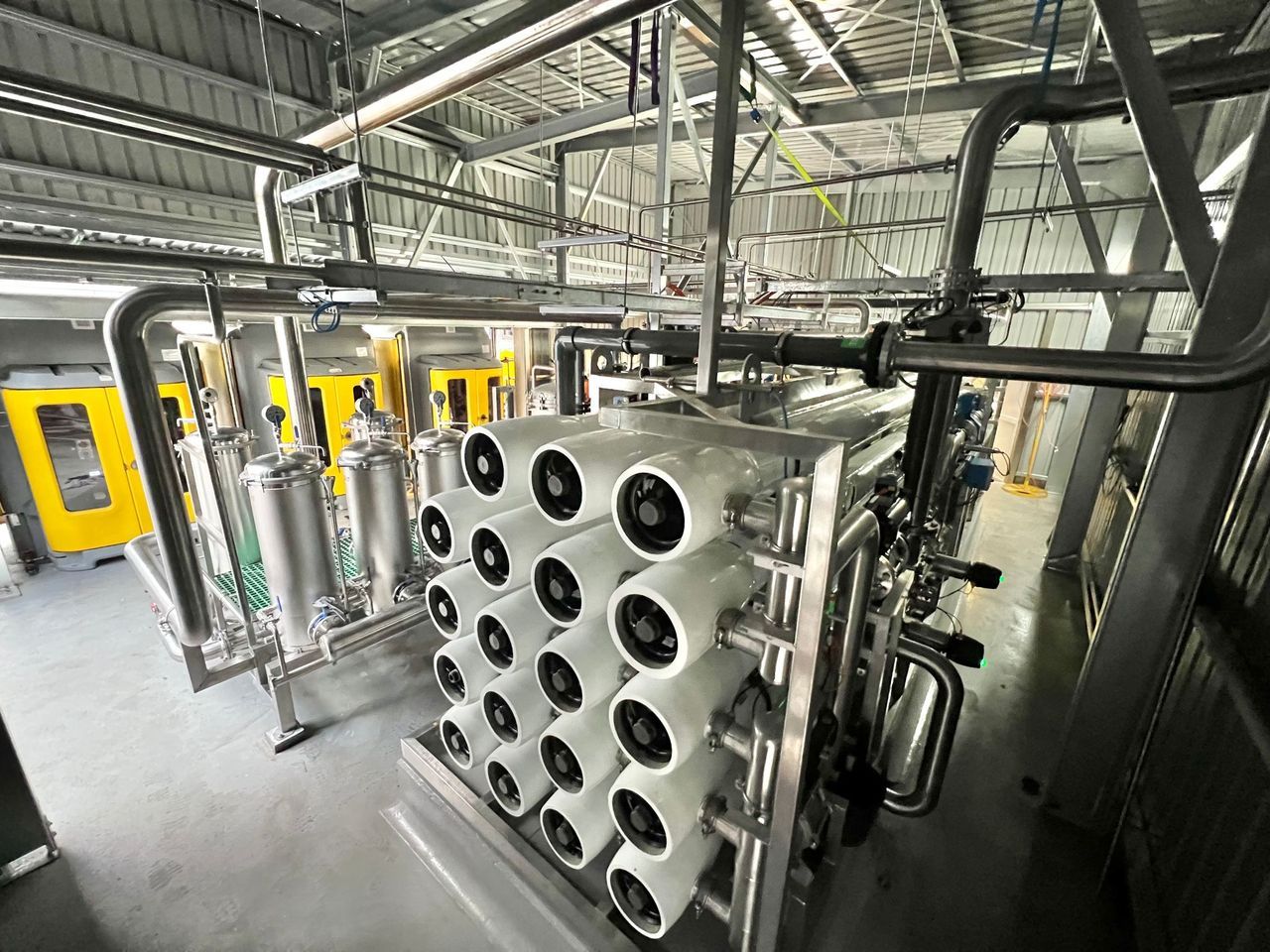
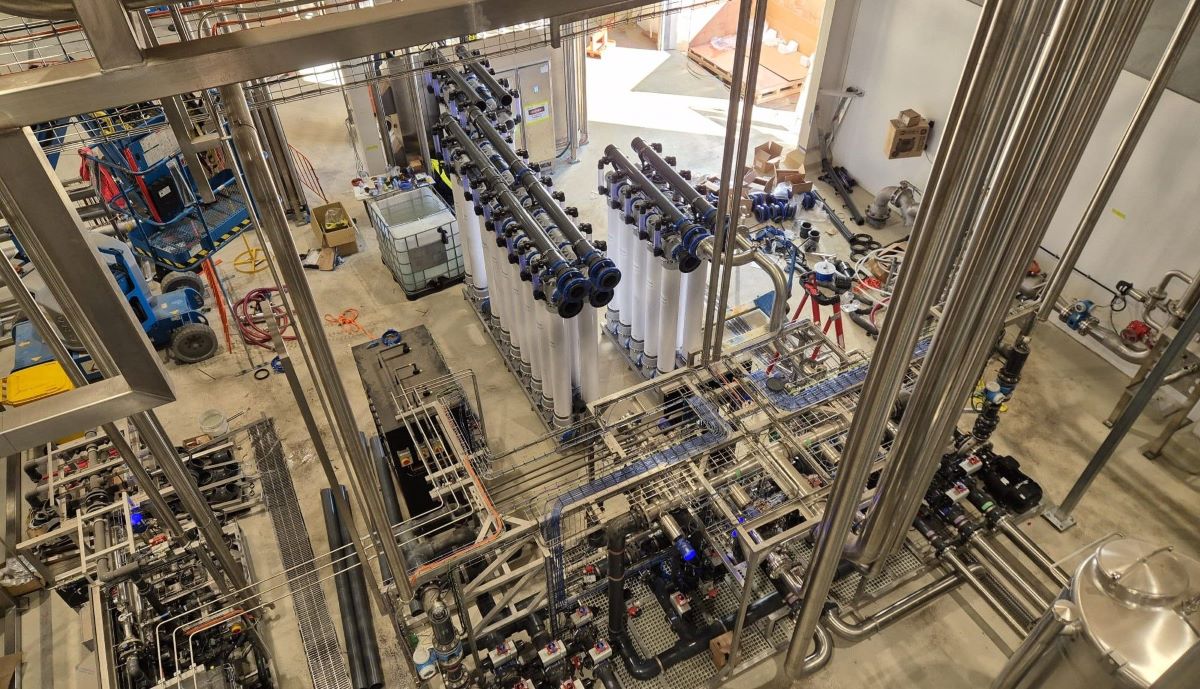
BHF’s work at Victoria’s largest brewery, operated in Melbourne by a major global beverage manufacturer specialising in brewing, shows this in practice.
| Victoria’s largest brewery at a glance | |
| The challenge | An ageing water treatment plant that was no longer supported, with significant water wastage and high levels of microbial contamination. Its membranes were not compatible with chlorine. |
| The finding | A site audit determined the plant was no longer viable due to obsolete parts needing replacement. |
| The solution | A new turnkey system supplied within the limitations of the customer’s budget. |
The new system was built around three key changes:
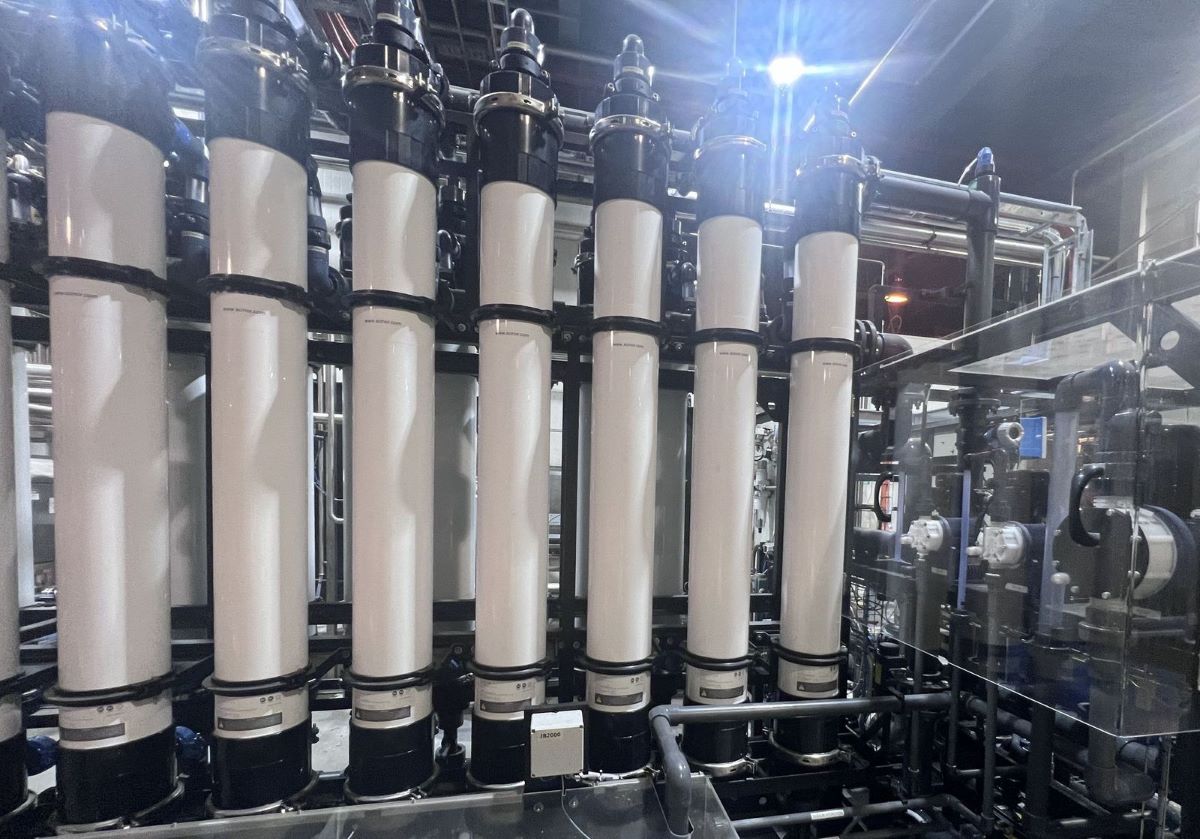
- Chlorine-tolerant ultrafiltration (UF) membrane: supplied with BHF’s membrane partner Scinor, it eliminated the requirement for carbon pretreatment and minimised the footprint, with integrity testing to ensure bacteria and virus log reduction.
- Backwash recovery: the backwash was split and sent to a secondary UF treatment to recover water and feed it back into the plant, reducing trade waste volume.
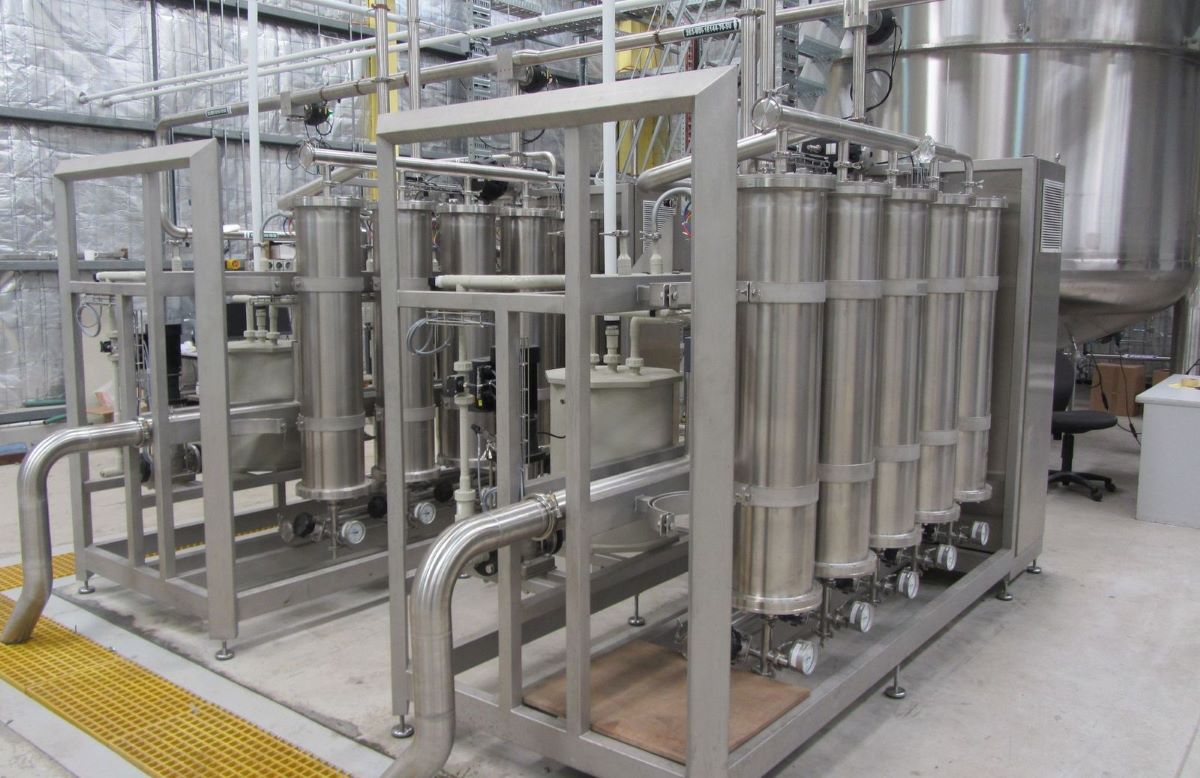
- Proprietary sintered carbon cartridges: installed downstream of the UF plant for efficient cleaning, heat sanitisation and chlorine removal, without the risk of microbial growth associated with traditional carbon beds.
Since installation, the new plant has delivered:
- Water quality consistently within the customer’s purified water specification, including removal of microorganisms and chlorine
- Water recovery above 95%
- 30% increase in plant capacity
- Annual operating expenditure (OpEx) savings of up to 50%
- Improved plant uptime and a smaller footprint, integrated into the existing plant automation
BHF takes the same approach with beer filtration lines, starting with a site audit of current system performance before recommending changes.
Getting the Filtration Sequence Right
Whether the focus is brewing water or beer, filtration is rarely one step. Each stage is shaped by beer style, clarity target, microbial risk and operating economics. Treating it as a connected process, rather than a single equipment choice, protects both product quality and running costs.
Talk to Our Team
Reviewing an existing filtration line or planning new capacity? Talk to our team about your beer styles, volumes and quality targets, and we can help you find the right fit.
Frequently Asked Questions
Beer is filtered to remove yeast and suspended solids, improve clarity, support stability and reduce the number of spoilage organisms before packaging.
Clarification removes yeast, solids and haze to improve appearance. Sterile filtration uses validated membranes to remove beer-spoilage organisms, usually as the final step before filling.
No. Many beers are pasteurised, sold fresh through a short cold chain or left unfiltered. Sterile filtration suits unpasteurised beer that needs tighter microbial control.
Breweries weigh beer style, clarity target, volume and flow rate, microbial risk, product loss and total operating cost, then confirm the choice with trials on their own beer.