





















Wine Filterability Index vs NTU: What Wineries Need to Know Before Bottling
October 22, 2026

A wine can look clear and still be difficult to filter. That is why NTU and the wine filterability index should not be treated as interchangeable before bottling. NTU measures clarity, while filterability testing shows how the wine behaves when it passes through a membrane.
Used together, the two measurements give a much clearer picture of whether a wine is ready for final filtration.
What Is NTU in Wine?
NTU stands for nephelometric turbidity unit, a measure of how much light is scattered by particles suspended in a liquid. In winemaking, it is a quick way to track clarification and confirm that the particle load has dropped after settling, fining or filtration. A lower NTU means a clearer wine.
However, NTU only measures what can be seen. Some compounds that foul membranes add little to turbidity, so NTU alone does not show how a wine will perform on a final filter (AWRI, 2025).
What Is the Wine Filterability Index?
The wine filterability index fills that gap. It is a laboratory test of how readily wine passes through a defined membrane under controlled conditions, usually by tracking how flow changes or how long a set volume takes to pass through. A poor result points to a wine that may place a heavier fouling load on the final filter (AWRI, 2025).
More than one method is in use, and membranes, test conditions and calculations differ between them. Tests should also be run using the same membrane test disc as is used for sterile filtration in bottling.
As Devan Wesley, Sales Manager APAC at BHF, explains:
“A low NTU can tell you the wine is clear, but it does not always tell you how it will behave on the final membrane. Filterability testing adds another practical check before bottling.”
Wine Filterability Index vs NTU: What Is the Difference?
| Consideration | NTU | Filterability index |
| What it measures | Light scattered by suspended particles | How wine flows through a defined membrane |
| What it shows | Clarity and particle load | Likely filtration difficulty or membrane fouling |
| What it does not show | How the wine will behave on a membrane | Every condition on the full bottling line |
| Best used for | Tracking clarification | Checking readiness for final filtration |
Why Can a Low-NTU Wine Still Be Difficult to Filter?
Wine contains dissolved macromolecules and colloids as well as visible particles. Depending on the wine and its treatment history, polysaccharides, proteins and phenolic compounds can build up on or inside a membrane and slow flow, even when the wine looks bright (AWRI, 2025; MDPI Membranes, 2025). This is also why two batches with similar NTU readings can behave quite differently on the same filter.
Using NTU and Filterability Testing Before Bottling
The two measurements work best in sequence. NTU confirms the wine has reached the clarity needed for the next stage, and filterability testing then checks how that clarified wine is likely to perform on the final membrane. A few practical points help keep the results reliable:
- Test a representative sample. If the wine is blended, stabilised or receives additions after testing, its filtration behaviour may change, so retest.
- Use the same method each time. Consistent test conditions make results comparable between batches.
- Read results alongside line conditions. A filterability result is a laboratory indicator. Membrane area, batch volume, membrane condition and operating conditions on the bottling line also affect performance.
How BHF Supports Wine Filtration
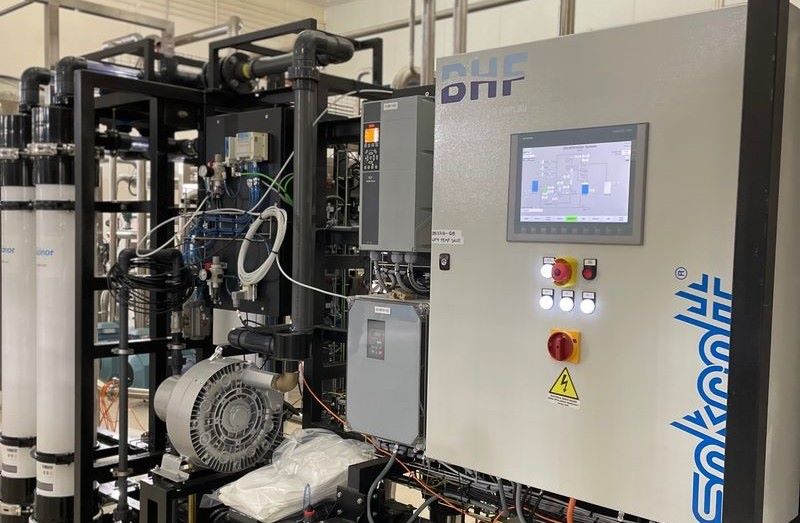
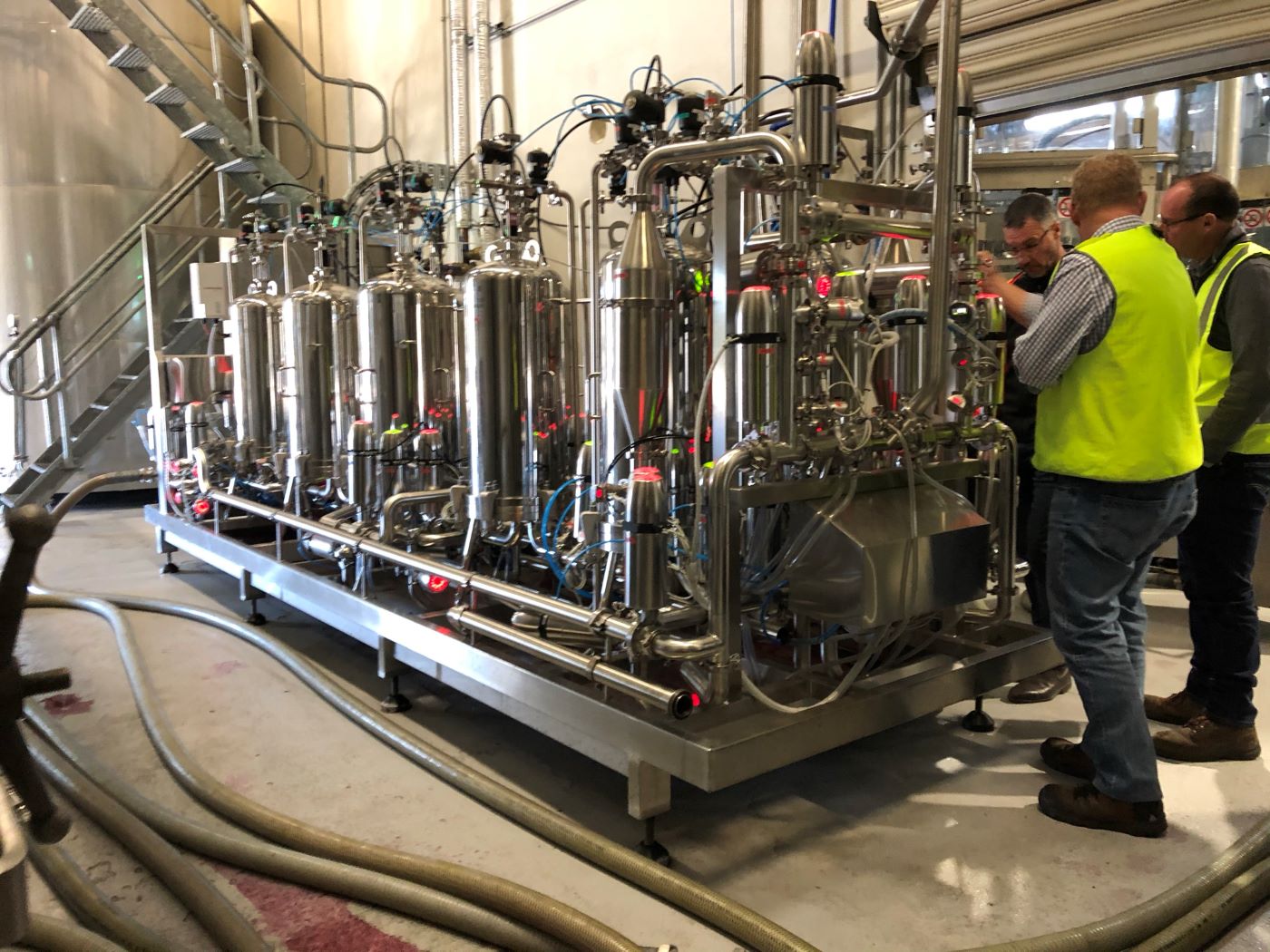
BHF supports Australian wine producers across filterability measurement, bottling preparation and final filtration. For wineries testing in-house, BHF’s Automated Filterability Index Unit records filtration data under pressure and calculates the result, and a manual unit is also available.
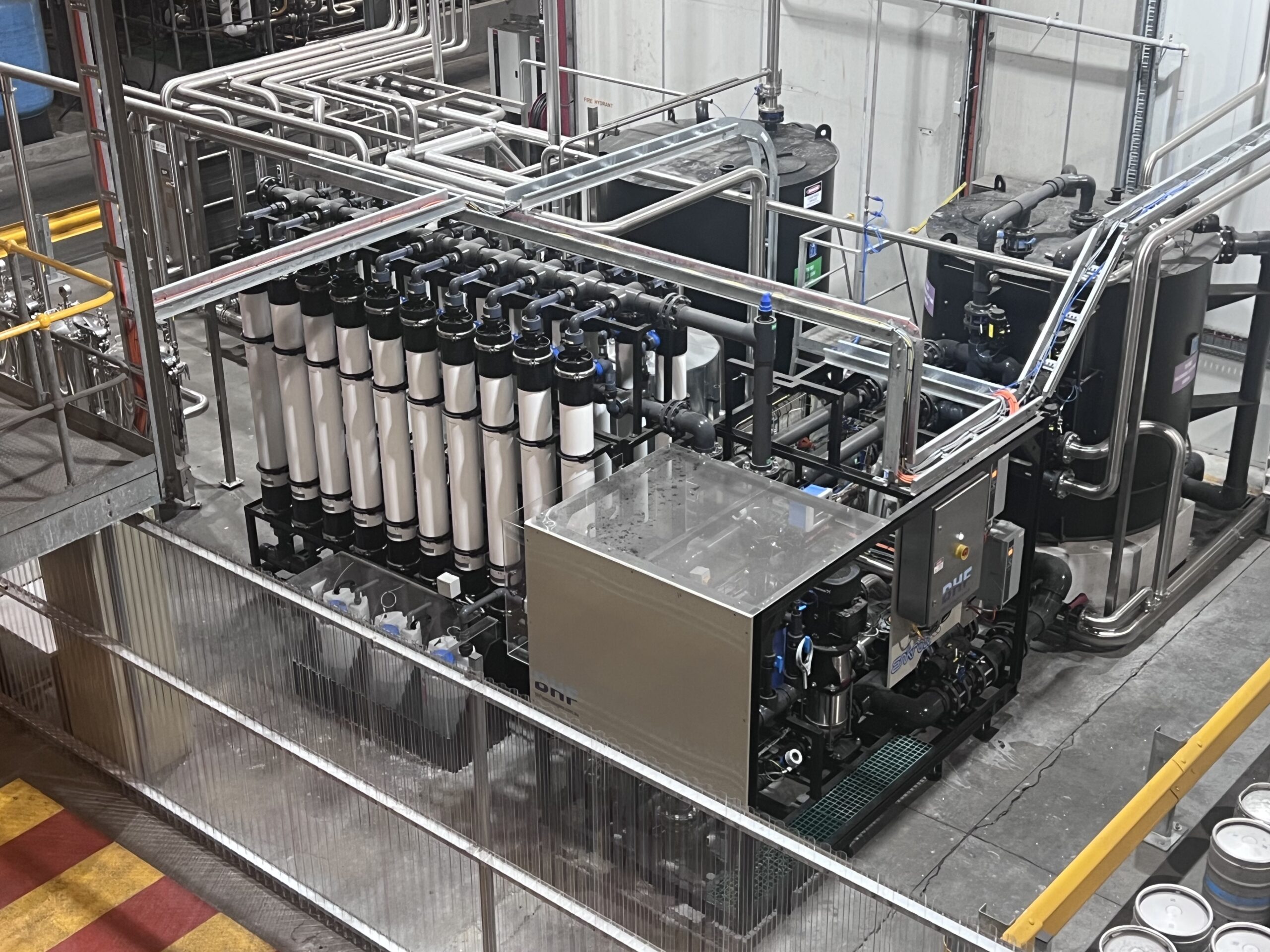
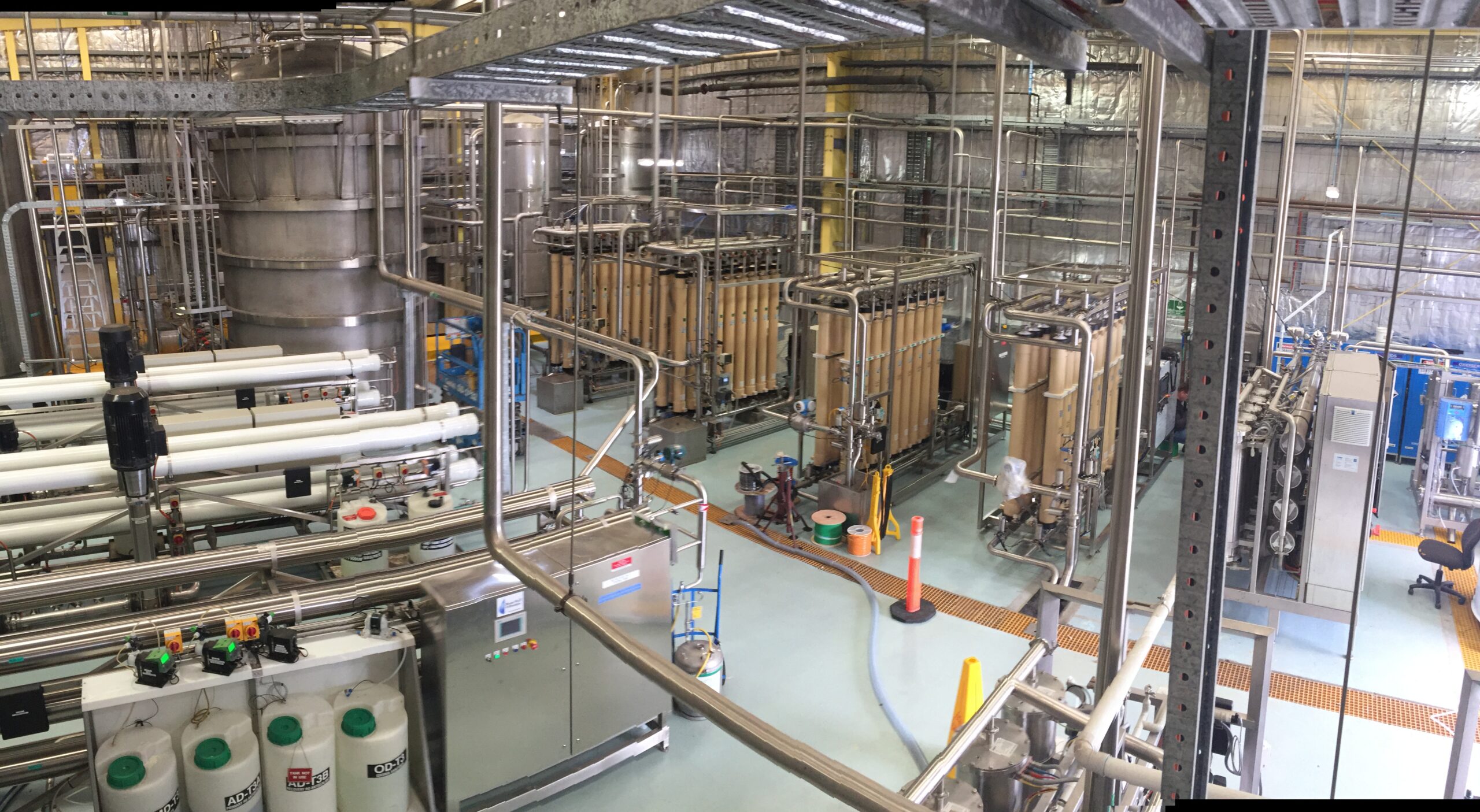
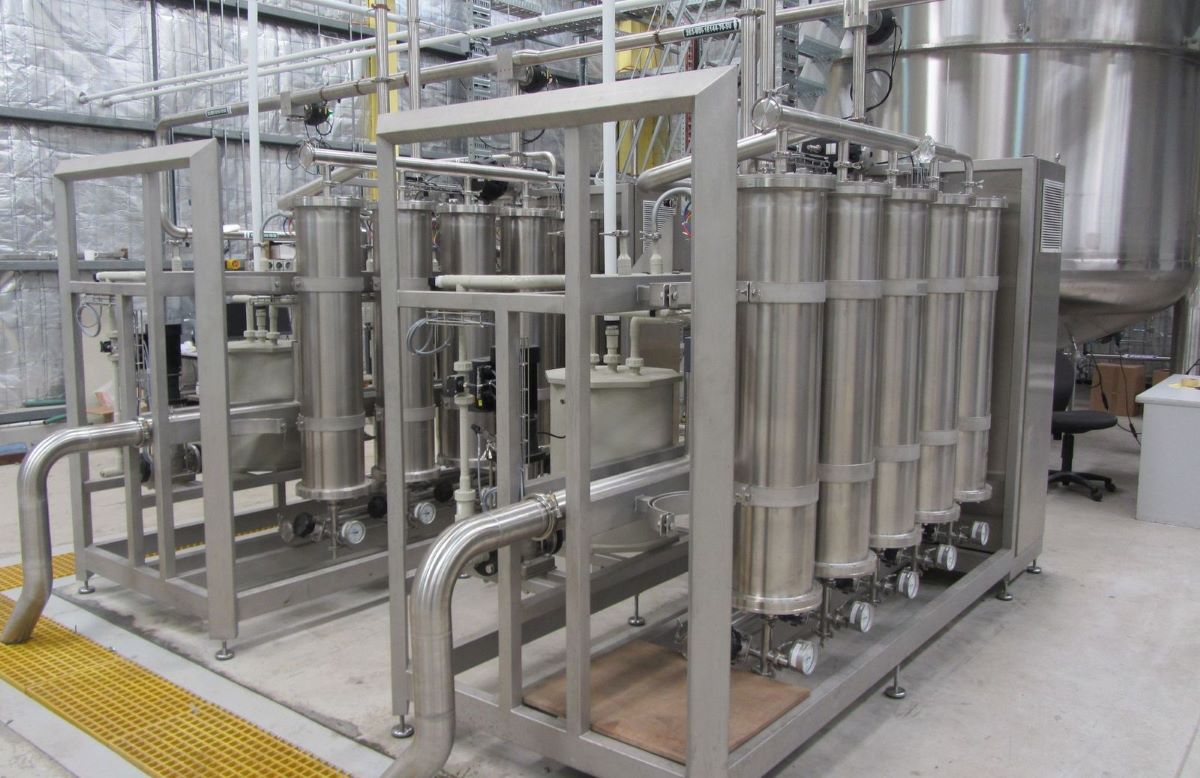
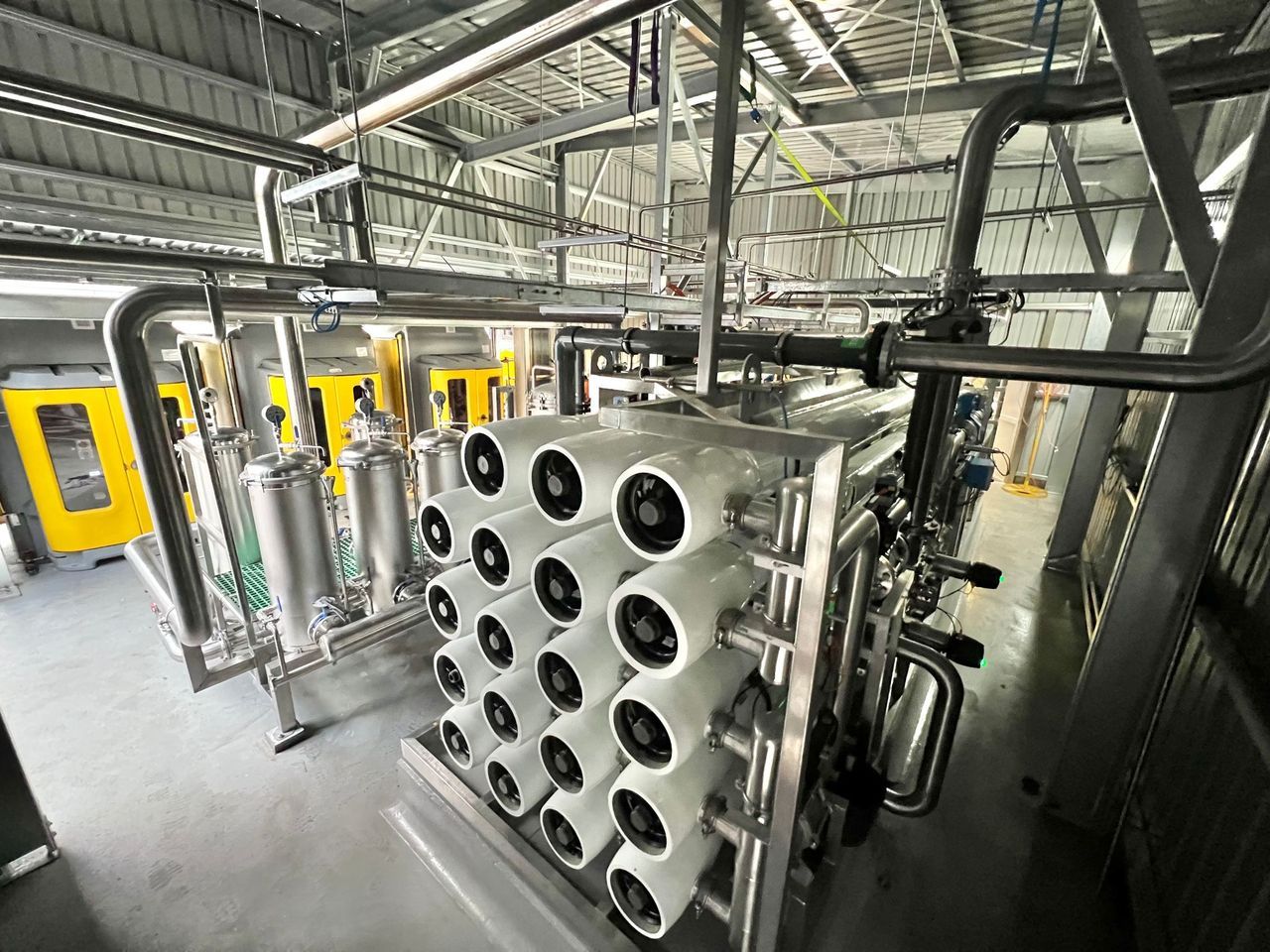
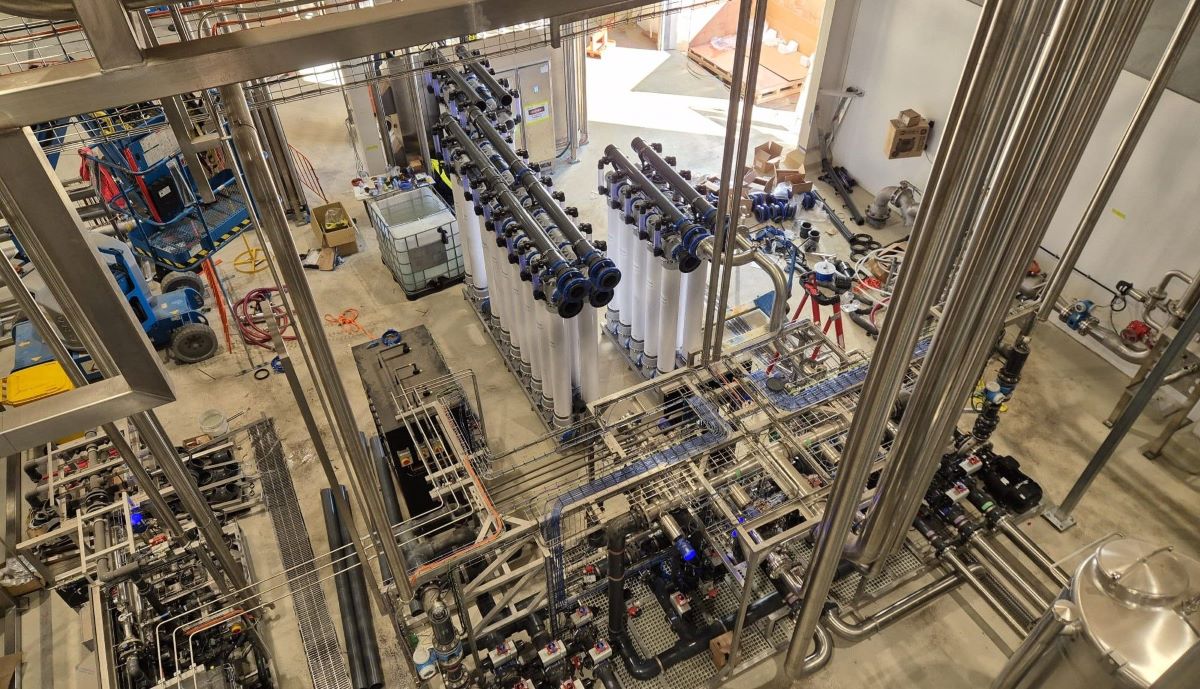
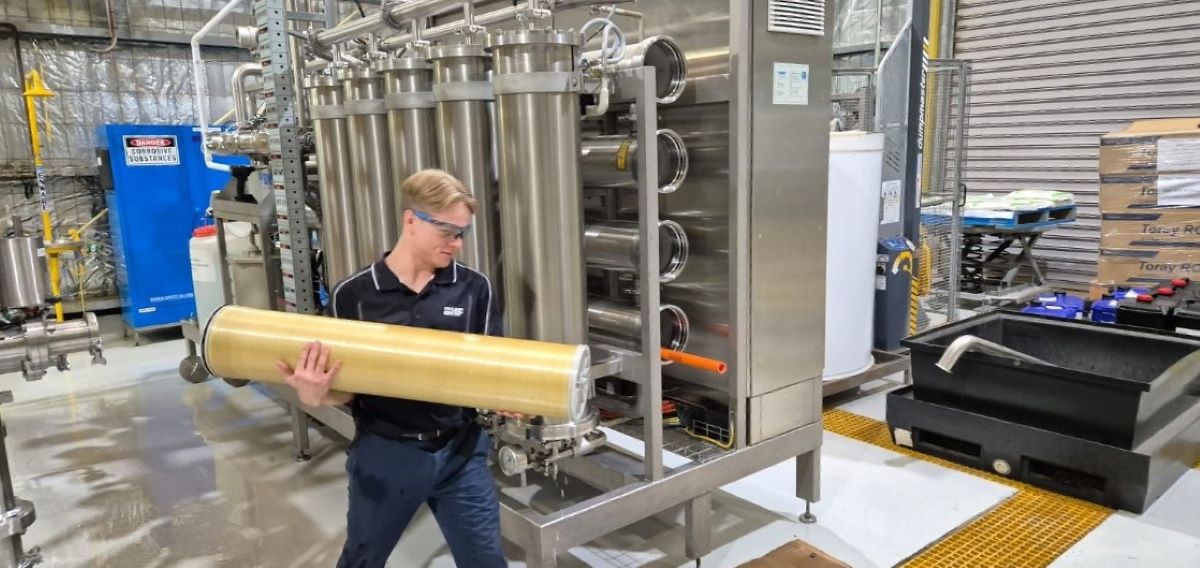
Because BHF also supplies beverage membrane filtration products and designs automated filtration systems, filterability can be considered as part of the wider filtration process rather than as a stand-alone test, as in BHF’s automated filtration system for a South Australian contract wine bottler.
Before Bottling, Clarity Is Only Part of the Picture
A low NTU shows that a wine is clear, but not that it will filter well. Adding filterability testing before bottling helps wineries pick up problems in the cellar rather than on the bottling line.
Talk to Our Team
Contact the BHF team to discuss filterability measurement, final wine filtration or filtration system requirements for your bottling process.
Frequently Asked Questions
No. Low NTU means low turbidity, but a clear wine can still contain colloids and macromolecules that foul a membrane.
Close to final filtration, using a sample that represents the wine going to bottling. Retest if the wine is blended, stabilised or receives additions after testing.
Yes. An automated or manual filterability index unit lets wineries run the test on site, so results are available in the cellar ahead of bottling.