












Why Regular Membrane Change-Outs Are Key to Reliable Operations and Lower Costs
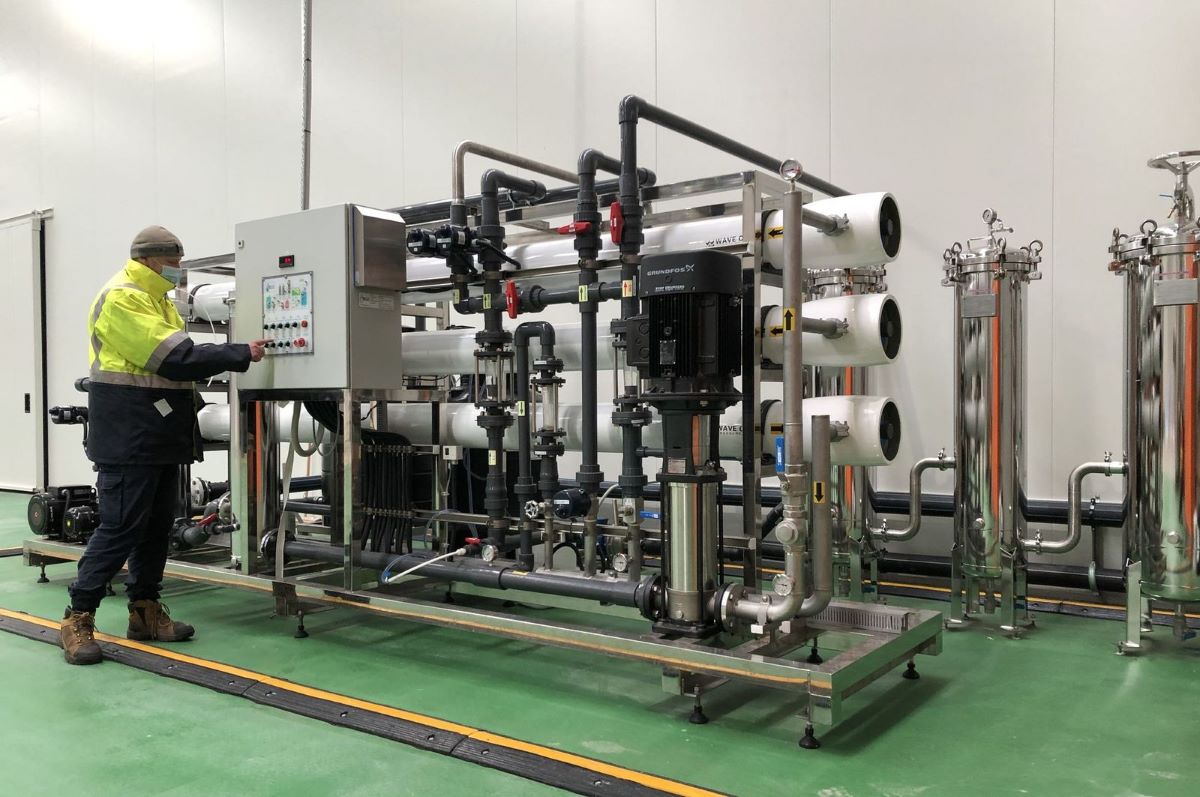
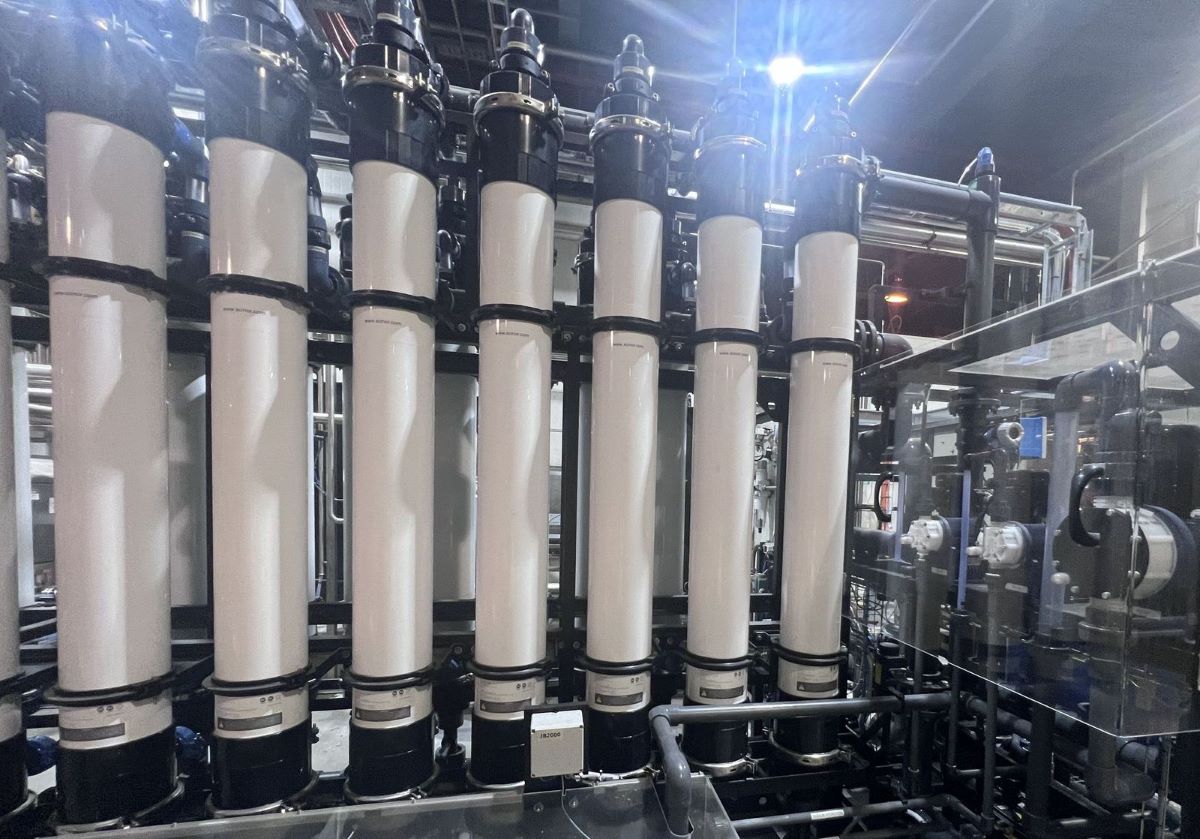
In industrial water treatment and process filtration systems, ultrafiltration (UF), reverse osmosis (RO), and nanofiltration (NF) are critical components that ensure high-quality water output. Over time, membranes experience fouling, scaling, and degradation, which can reduce efficiency and increase operational costs. Regular membrane change-outs are a proactive maintenance strategy that enhances system reliability and reduces operating expenses.
Why Membrane Performance Declines Over Time
Membranes are subject to continuous exposure to suspended solids, organic matter, minerals, and microorganisms. This exposure can lead to:
- Fouling: Accumulation of organic material, biofilms, and colloids on the membrane surface.
- Scaling: Mineral deposits from hard water or process streams that clog membrane pores.
- Chemical Degradation: Oxidants or pH extremes that weaken membrane integrity.
- Physical Wear: Pressure fluctuations, temperature changes, or improper cleaning practices.
These factors lead to reduced permeate flow, increased transmembrane pressure (TMP), and higher energy consumption. In extreme cases, membranes may fail, causing unplanned downtime and costly replacements.
Benefits of Regular Membrane Change-Outs
1. Improved System Reliability
Replacing membranes on a planned schedule ensures consistent water quality and system performance. Regular change-outs prevent unexpected failures and maintain stable operating conditions. Operators can confidently meet production targets without interruptions caused by membrane fouling or degradation.
2. Lower Energy Costs
Fouled membranes require higher pressure to maintain flow, increasing energy consumption. This National Library of Medicine article examines how optimizing membrane performance and system hydraulics can reduce energy use and lower costs, especially for challenging feeds like oil/water emulsions.
3. Reduced Chemical Usage
Scaling and fouling often require aggressive chemical cleaning to restore membrane performance. Proactively replacing membranes reduces the need for frequent or harsh cleaning, minimising chemical use, lowering costs, and lessening environmental impact. This approach also helps extend the lifespan of both the membranes and associated system components.
4. Extended Equipment Life
Clean, efficient membranes reduce stress on pumps, valves, and piping. This leads to fewer mechanical failures and longer lifespans for auxiliary equipment. Maintaining optimal flow and pressure reduces wear and tear throughout the system.
5. Predictable Maintenance Planning
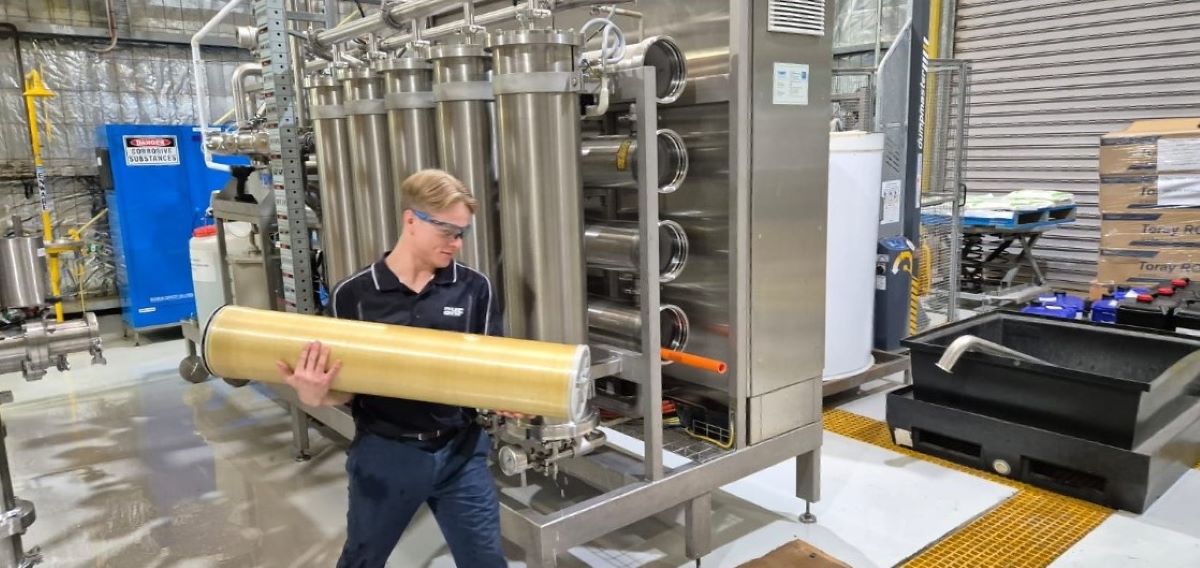
Scheduled membrane replacements allow for planned downtime rather than emergency interventions. This predictability helps operators manage labour, inventory, and budgets effectively. A well-structured change-out program minimises disruption to production and avoids costly last-minute procurement. Our team are here to supporting you with this and ensure you have a tailored plan in place to optimise your operational efficiency.
We spoke with our Sales Manager ANZ, Devan Wesley, for firsthand insights:
“Across the industries we support, planned preventative maintenance and scheduled membrane changes consistently deliver the best outcomes. They ensure quality standards are maintained, operating costs are controlled, and maintenance can be planned and executed within budget. Operational downtime can also be scheduled appropriately. With specialist membranes often requiring manufacturing lead times, planning ahead allows for smooth production, shipping, and installation without incurring additional urgency costs.”
Optimising Membrane Change-Out Schedules
Membrane replacement frequency depends on system design, water quality, and operational conditions. Common practices include:
- Monitoring transmembrane pressure (TMP) and permeate flow to identify declining performance.
- Using water quality indicators such as turbidity, conductivity, or total organic carbon (TOC).
- Planning incremental change-outs to avoid complete system shutdowns.
Implementing a data-driven maintenance program ensures membranes are replaced before performance drops significantly, maximising reliability while controlling costs.
Regular membrane change-outs are a strategic investment for industrial water treatment systems. They improve system reliability, reduce energy and chemical costs, extend equipment life, and allow for predictable maintenance planning. By adopting a proactive membrane management approach, operators can achieve long-term operational efficiency and lower total cost of ownership.
Explore our full range of membranes or get in touch with our team to discuss how we can best support your current operational needs.