














Purified Water vs Water for Injection (WFI): What’s the Difference?
October 22, 2026

Purified Water (PW) and Water for Injection (WFI) are the two main water grades used in pharmaceutical manufacturing. Both start as potable water and are treated to a similar level of chemical purity. What sets them apart is microbial control. Because WFI goes into injectable medicines, it must also be kept free of endotoxins and meet much stricter microbial limits.
That difference shapes how each grade is produced, stored and monitored, and it is the first thing to settle when planning a pharmaceutical water system.
Purified Water vs WFI: Key Differences
In Australia, quality limits for both grades come from the British, European and US pharmacopoeias, which the TGA recognises as default standards under the Therapeutic Goods Act 1989.
| Criteria | Purified Water | Water for Injection (WFI) |
| Typical uses | Oral, topical and other non-sterile products; granulation; rinsing non-sterile equipment | Injectable products, biologics, dialysis and irrigation solutions; final rinse of sterile injectable equipment |
| Bacterial endotoxins | No general limit | Strict limit applies |
| Microbial action level | 100 CFU/mL | 10 CFU/100 mL |
| Total organic carbon (USP) | 500 µg C/L | 500 µg C/L |
| How it is produced | RO, EDI or other suitable methods | Distillation, or a membrane process proven equivalent (RO+EDI+UF) |
Sources: TGA default standards (BP, Ph. Eur., USP); USP; EMA.
What Is Pharmaceutical Purified Water?
Purified Water is the more widely used of the two grades. It is the standard for medicines that do not need to be sterile and pyrogen free, as set out in the European Medicines Agency’s guideline on water for pharmaceutical use (July 2020). That includes most oral and topical products, along with processes such as granulation, tablet coating and equipment rinsing.
The water is usually treated in stages:
- Pretreatment, such as filtration, softening and activated carbon, protects the membranes from particles, hardness and chlorine.
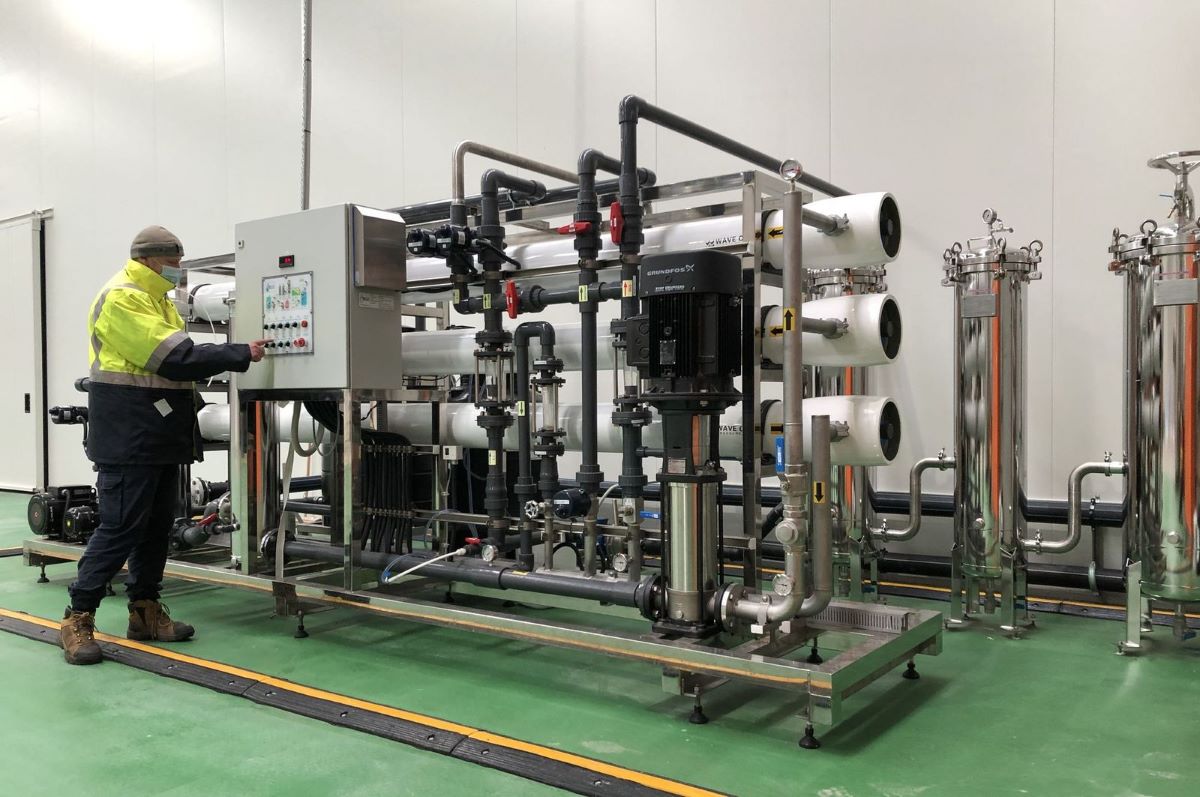
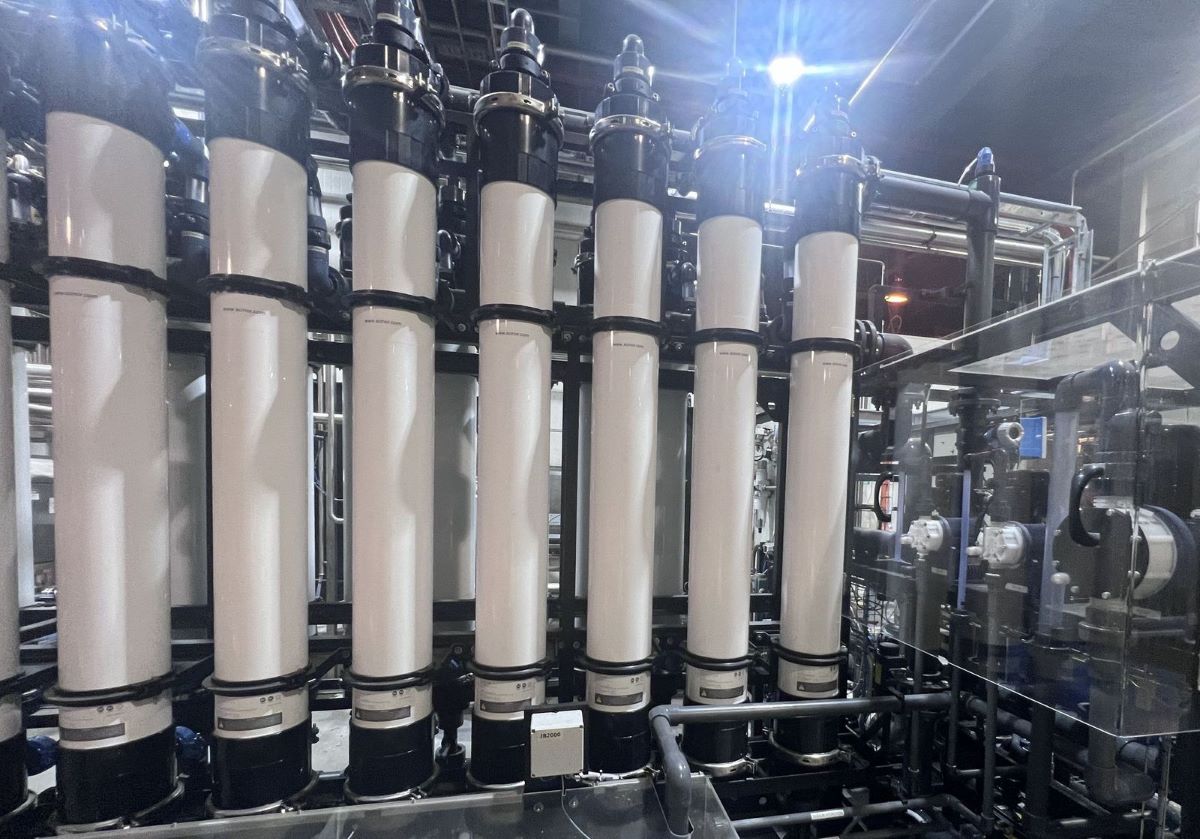
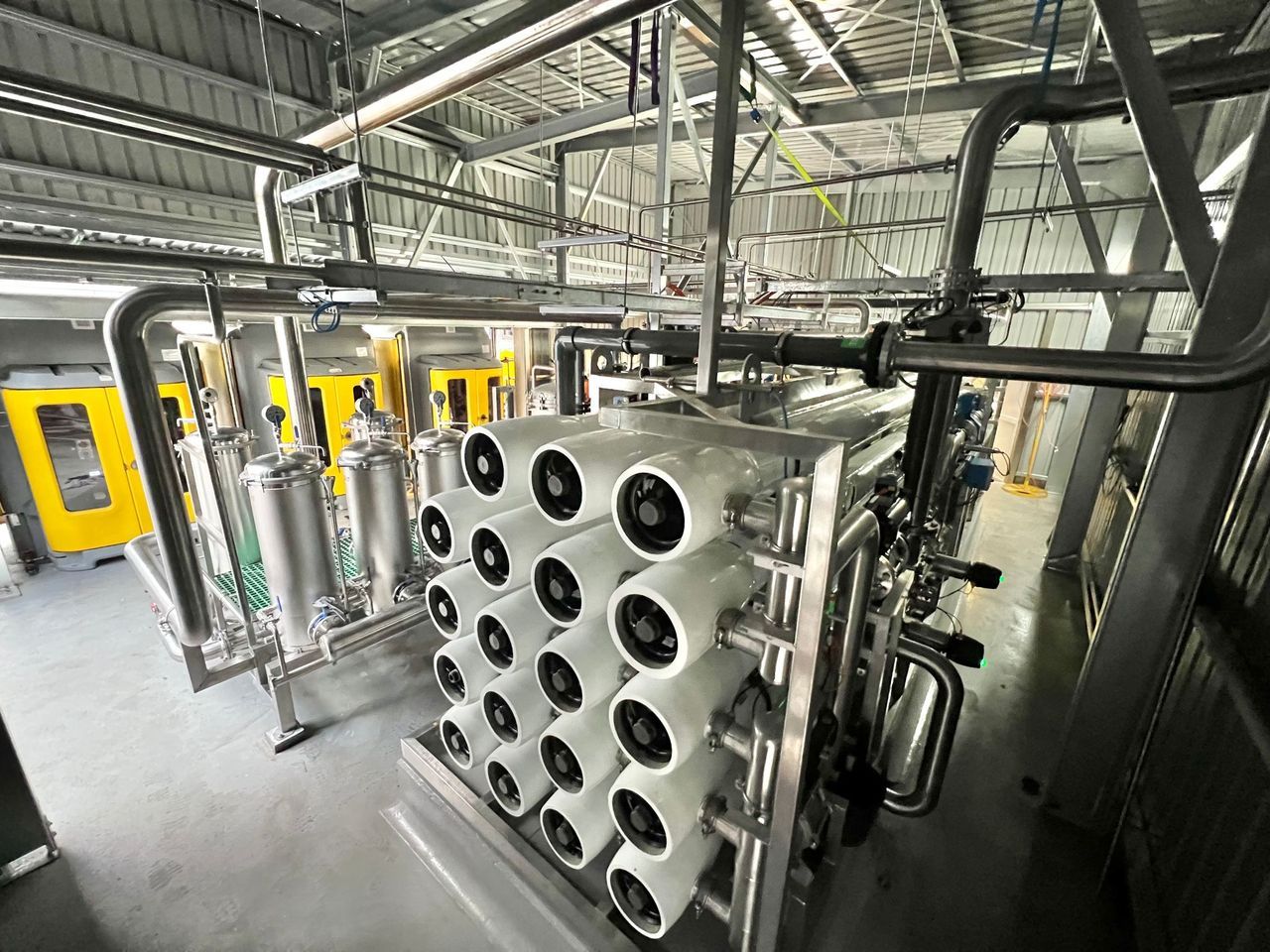
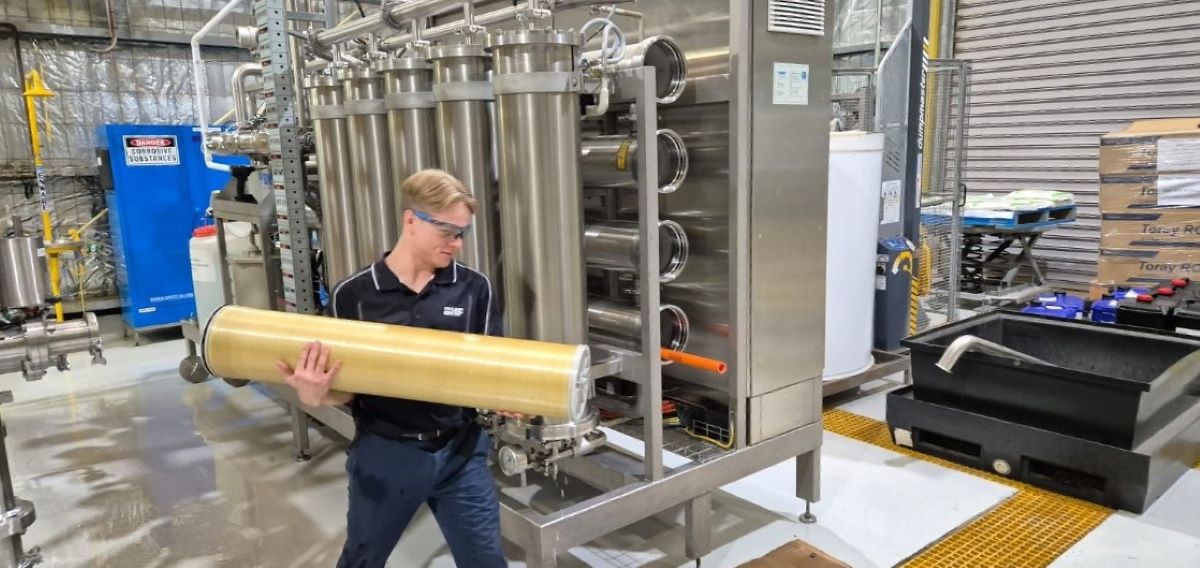
- Reverse osmosis (RO) removes most remaining salts, organics and microorganisms.
- Electrodeionisation (EDI) polishes the water without regeneration chemicals.
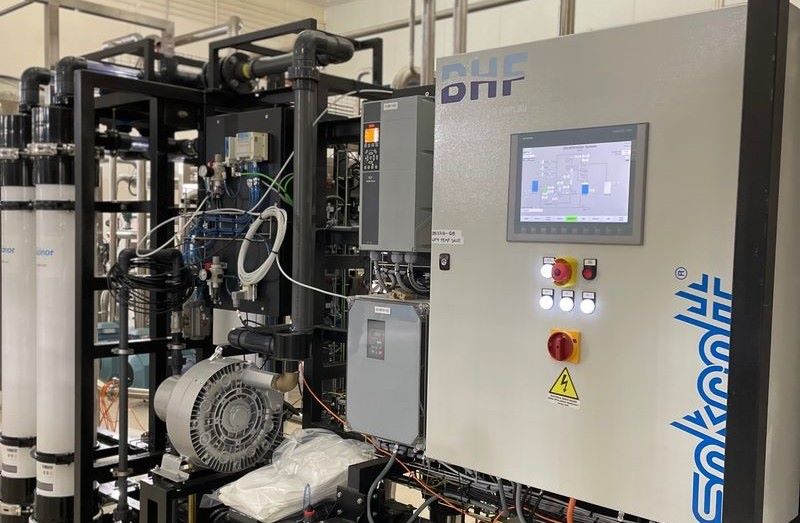
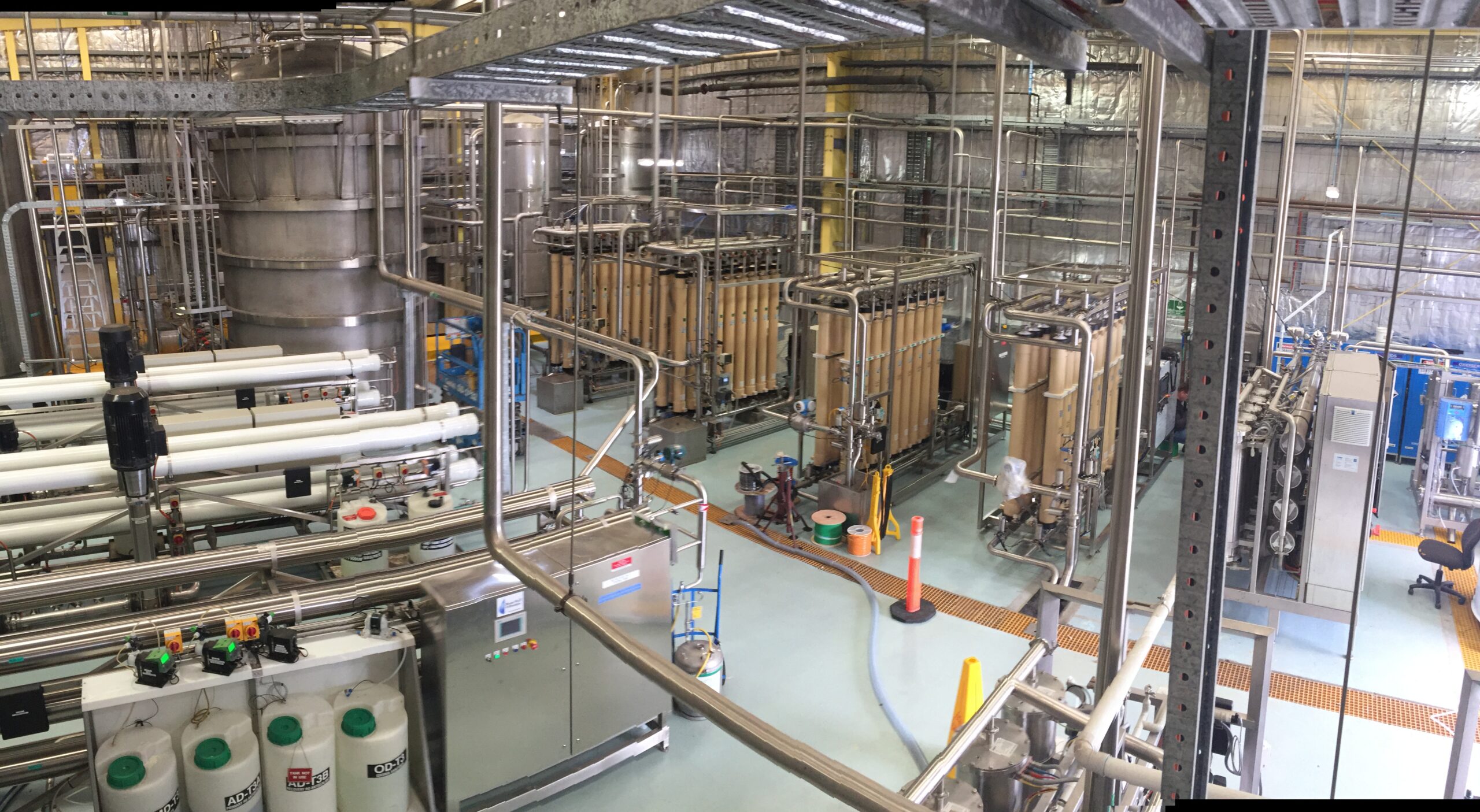
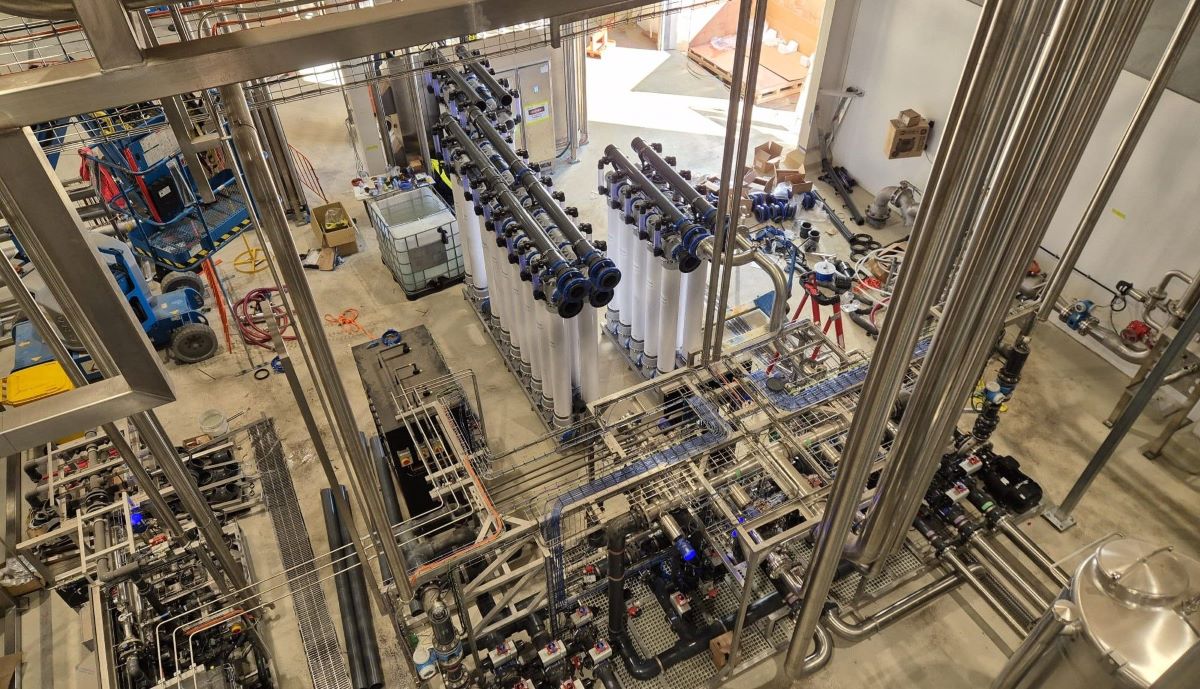
Because feed water differs from site to site, BHF customises each pharmaceutical water plant to the site’s supply and demand. On many sites, this Purified Water then feeds WFI generation, where the requirements tighten considerably.
What Is Water for Injection (WFI)?
WFI is used when water becomes part of an injectable medicine, either as the base of the product or to dissolve and dilute it before use. It is required for injectables, biologics such as vaccines and dialysis solutions, and for the final rinse of anything that contacts a sterile injectable product.
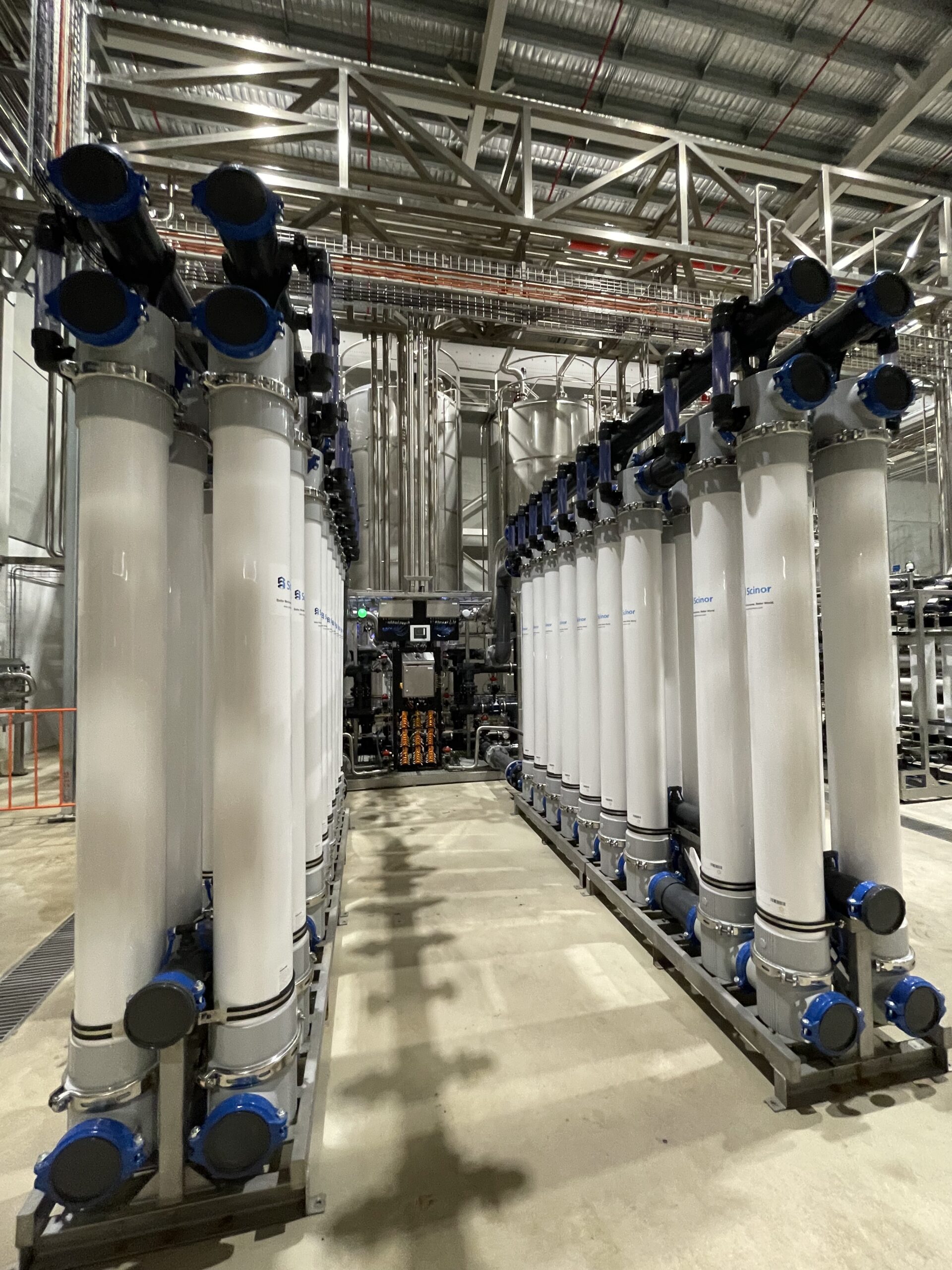
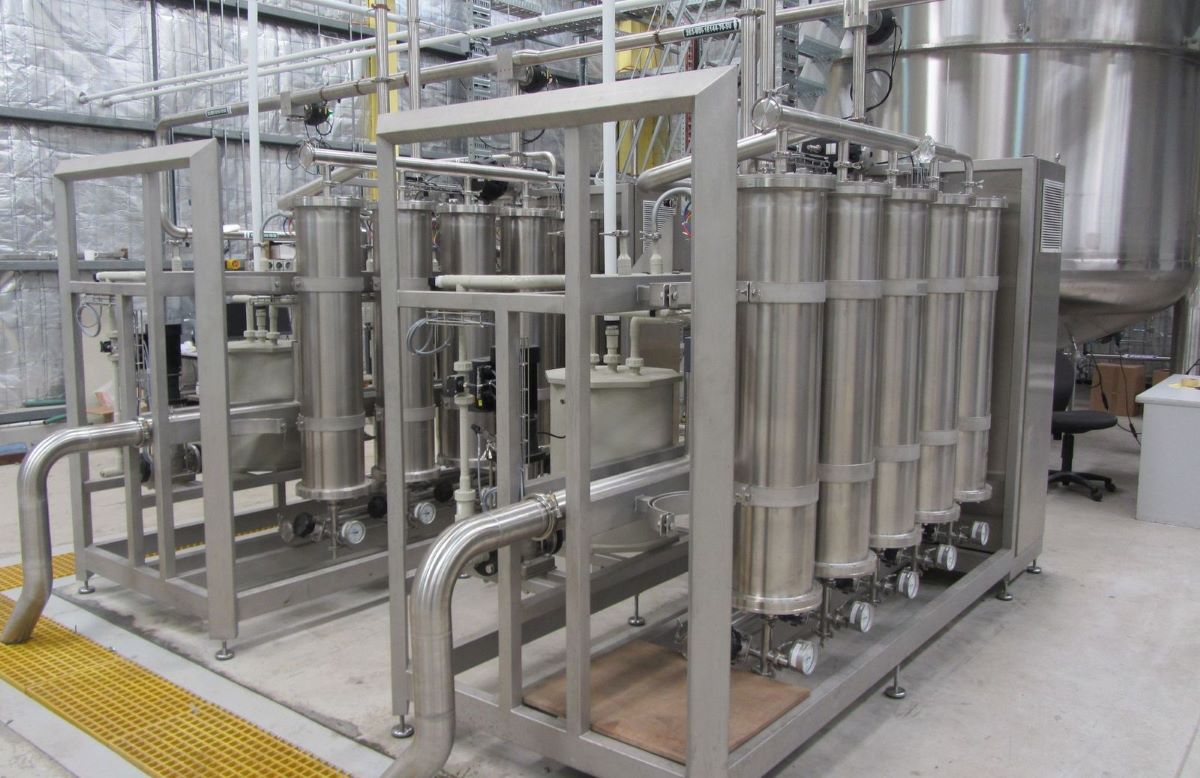
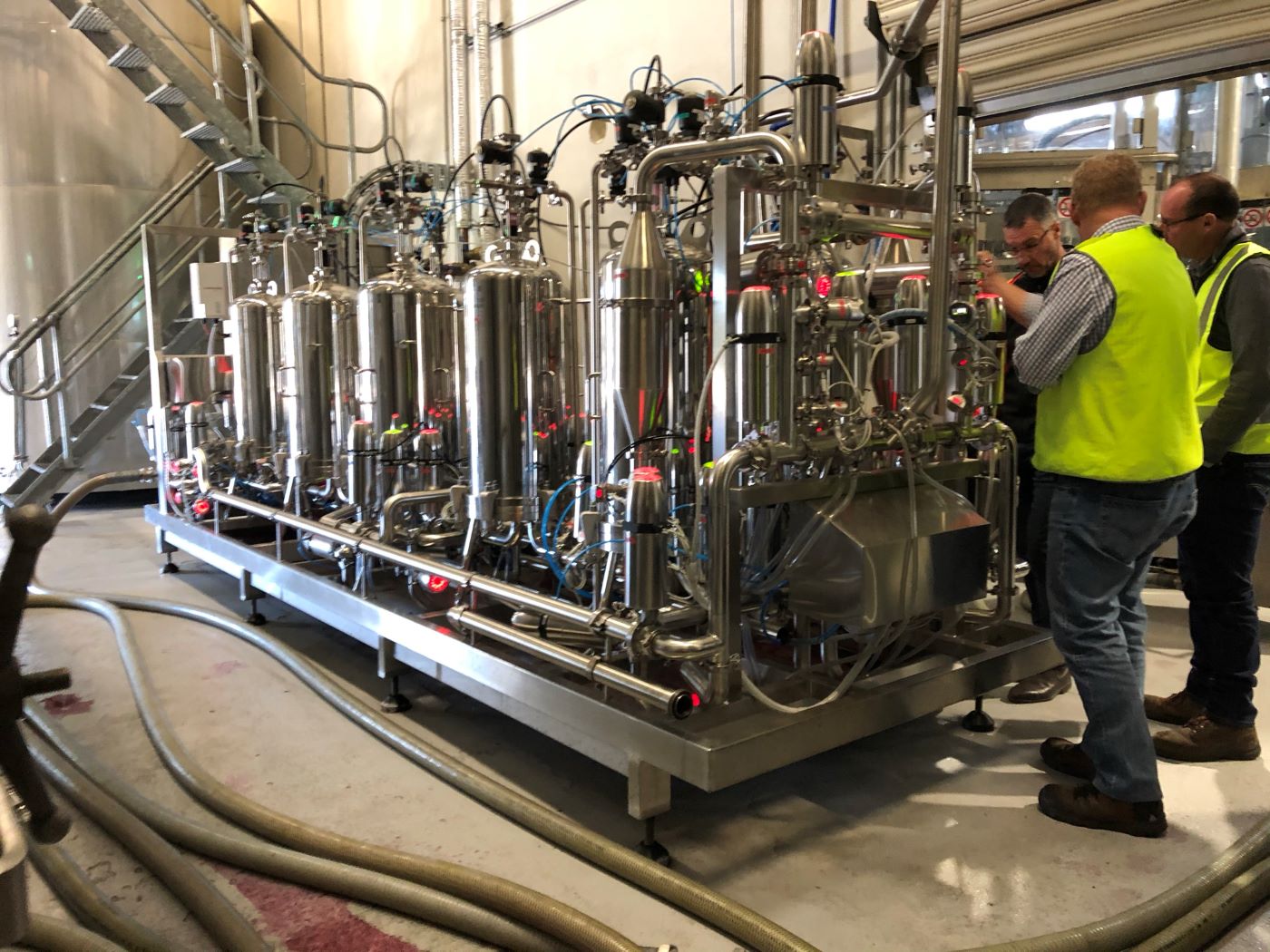
Distillation was, for a long time, the standard way to make WFI, and in Australia the TGA required WFI for injectable medicines to follow the British or European pharmacopoeia, which only allowed distillation. Once those pharmacopoeias accepted membrane methods such as RO with EDI and ultrafiltration (UF), the standards were aligned and the TGA removed that requirement in 2022. Australian manufacturers can now choose between distillation and membrane-based cold WFI, which relies on good sanitisation and biofilm control. A typical cold WFI system combines RO, EDI and UF in a single train.
What Are the Main Quality Differences Between Purified Water and WFI?
Whichever method is used, most of the limits that separate the two grades relate to microorganisms. The allowable microbial count for WFI is a thousand times lower than for Purified Water, and water above these levels is generally treated as unfit for use, according to the USP’s guidance on pharmaceutical water. Staying within the WFI limit comes down to keeping biofilm out of the system.
Bacteria in the system also release endotoxins, fragments of bacterial cell walls that can cause fever if injected. WFI must meet a strict endotoxin limit, while Purified Water has none. Because endotoxins survive heat and pass through standard sterilising filters, prevention is the best defence, with ultrafiltration as an extra barrier.
Chemical tests such as conductivity and total organic carbon (TOC) apply to both grades, but neither detects endotoxins, so good chemistry results alone do not make water suitable for injectables.
Purified Water and WFI Requirements in Australia
In Australia, the Therapeutic Goods Administration (TGA) regulates how medicines are made, and pharmaceutical water is treated as part of that process under the PIC/S Guide to Good Manufacturing Practice (GMP). In simple terms, manufacturers need to show that their water system reliably produces water of the right grade every day, not just when it is first installed.
That is why a new system goes through formal qualification before it supplies production, confirming that it:
- Has been installed correctly
- Runs as intended
- Consistently meets specification
These checks cover more than the equipment that makes the water. They also include the storage tanks and pipework, because this is where microbial problems often start. Good designs keep water moving, use hygienic materials and avoid sections where water can sit still.
When Should You Use Purified Water vs WFI?
With these requirements in mind, the right grade depends on the product, the process step and the risk to the patient, and the choice should be confirmed early through a documented risk assessment. The examples below follow the European Medicines Agency’s guideline on water for pharmaceutical use.
Purified Water is generally suitable for:
- Non-sterile oral, topical, nasal and ear products
- Granulation and tablet coating
- Rinsing equipment used to make non-sterile products
- The initial rinse in sterile manufacturing
Sterile products that are not injected, such as eye drops and some nasal or skin preparations, sit in between and may need a higher grade depending on the risk assessment.
WFI is required or expected for:
- Injectables, dialysis and irrigation solutions
- Formulations prepared before sterile freeze drying
- Nebuliser solutions that must be sterile and pyrogen free, such as those used for cystic fibrosis
- The final rinse of equipment, containers and closures used for sterile injectable products
What to Consider When Choosing a Pharmaceutical Water System
Once the grade is clear, a few design decisions shape how well the system performs:
- Feed water: It must at least meet the NHMRC’s Australian Drinking Water Guidelines, but mains water varies by site and season, so a full water analysis before design helps set the right pretreatment and protects RO membranes and EDI units.
- Capacity: Size the system for daily and peak demand and the number of outlets, as undersized generation leads to larger tanks and longer storage, which increases microbial risk.
- Storage: Decide early whether storage will be hot, ambient or ozonated.
- Monitoring and maintenance: Plan online monitoring of conductivity, TOC and temperature, along with maintenance and calibration.
How BHF Supports Pharmaceutical Water Treatment
Getting these decisions right at the design stage makes qualification, day-to-day operation and maintenance far easier. BHF works with healthcare and biotech manufacturers across each of these stages, from system design and installation through to ongoing service and maintenance. For sites with an existing system, a site audit can help show where performance or efficiency could be improved.
As Devan Wesley, Sales Manager APAC at BHF, explains:
“Choosing between Purified Water and WFI is only the starting point. The real work is making sure the system keeps delivering that quality every day, which comes down to careful design of storage and distribution, and a maintenance plan the site can actually follow.”
Choosing the Right Water Grade Starts With the Product
WFI’s endotoxin and microbial limits are what set it apart from Purified Water, and they shape every stage of system design, from pretreatment through to distribution. The right grade depends on your products, processes and GMP obligations.
Talk to Our Team
Planning a new pharmaceutical water system, upgrading an existing one or unsure which grade your process needs? Talk to the BHF team about your water quality, capacity and compliance needs.
Frequently Asked Questions
No. Both are tested for similar chemical quality, such as conductivity and TOC, but WFI must also meet a strict endotoxin limit and a much lower microbial limit, because it goes into products that are injected or enter the body directly.
Not where WFI is specified, such as for injectables, dialysis and irrigation solutions. For sterile products that are not injected, such as eye drops, the grade depends on a documented risk assessment.
No. Membrane processes such as RO with EDI and UF are now accepted as equivalent to distillation, provided the system is validated and supported by strong sanitisation and biofilm control.