










UF as Pre-Treatment to Activated Carbon Filters
June 4, 2026
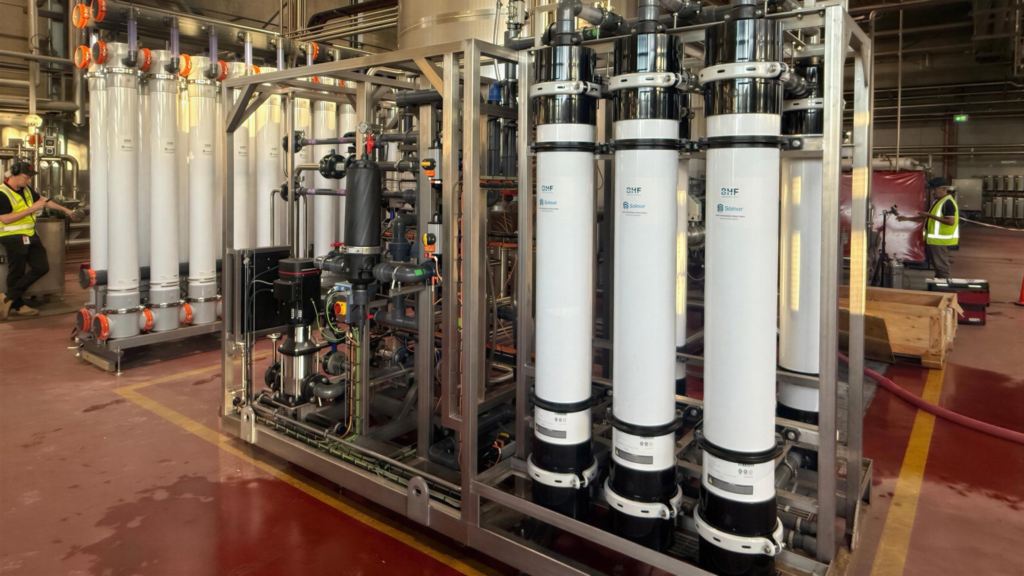
Water treatment is rarely about relying on a single technology or process, in many industrial and commercial applications, different treatment processes are combined to address specific contaminants and achieve the desired water quality outcome. One example is the use of Ultrafiltration (UF) upstream of Activated Carbon (AC) filtration.
While activated carbon is widely recognised for removing taste and odour compounds, natural organic matter, volatile organic compounds (VOCs), and other adsorbable contaminants, its performance can be influenced by the quality of the water entering the system. This is where UF can play an important role.
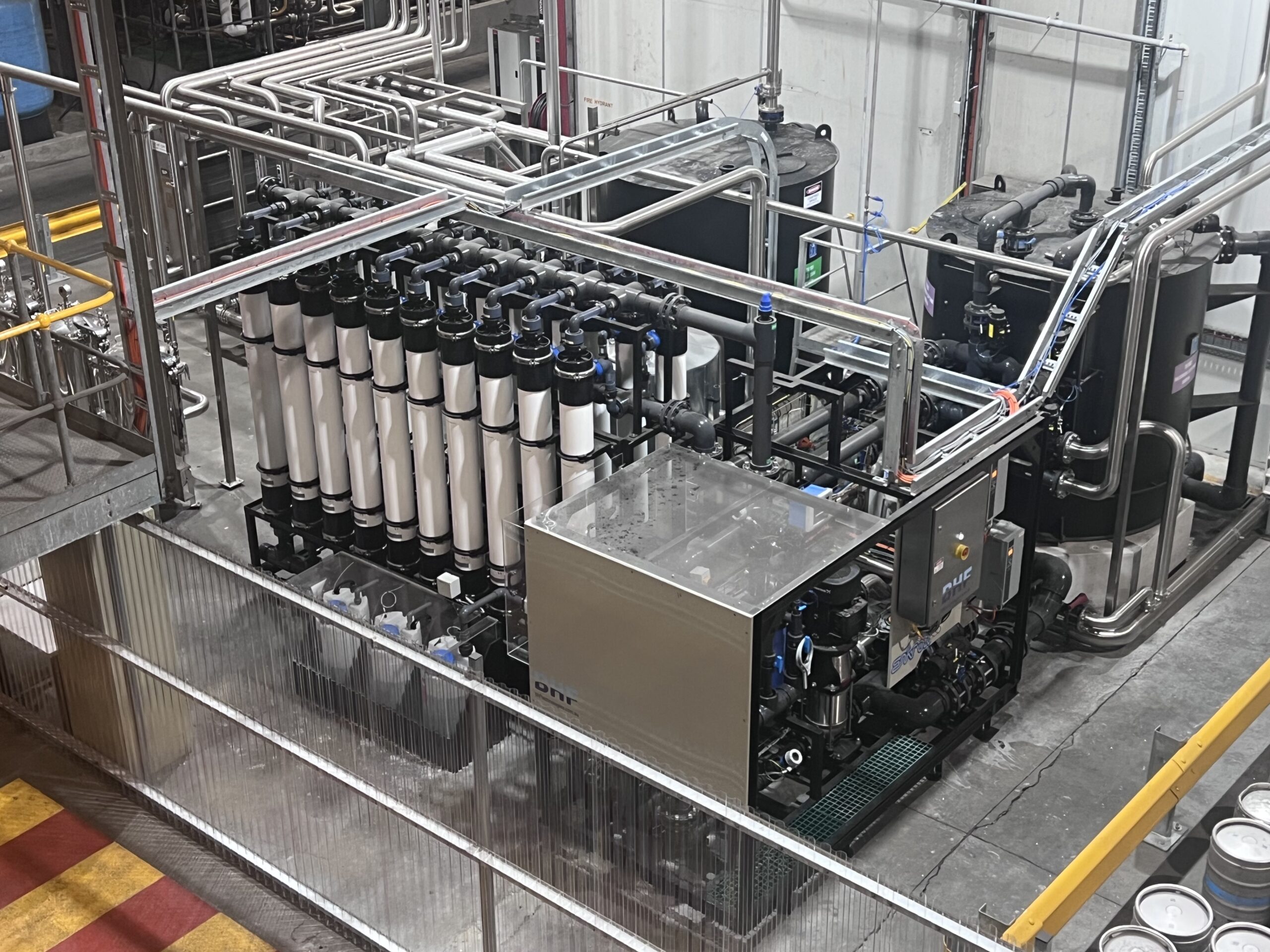
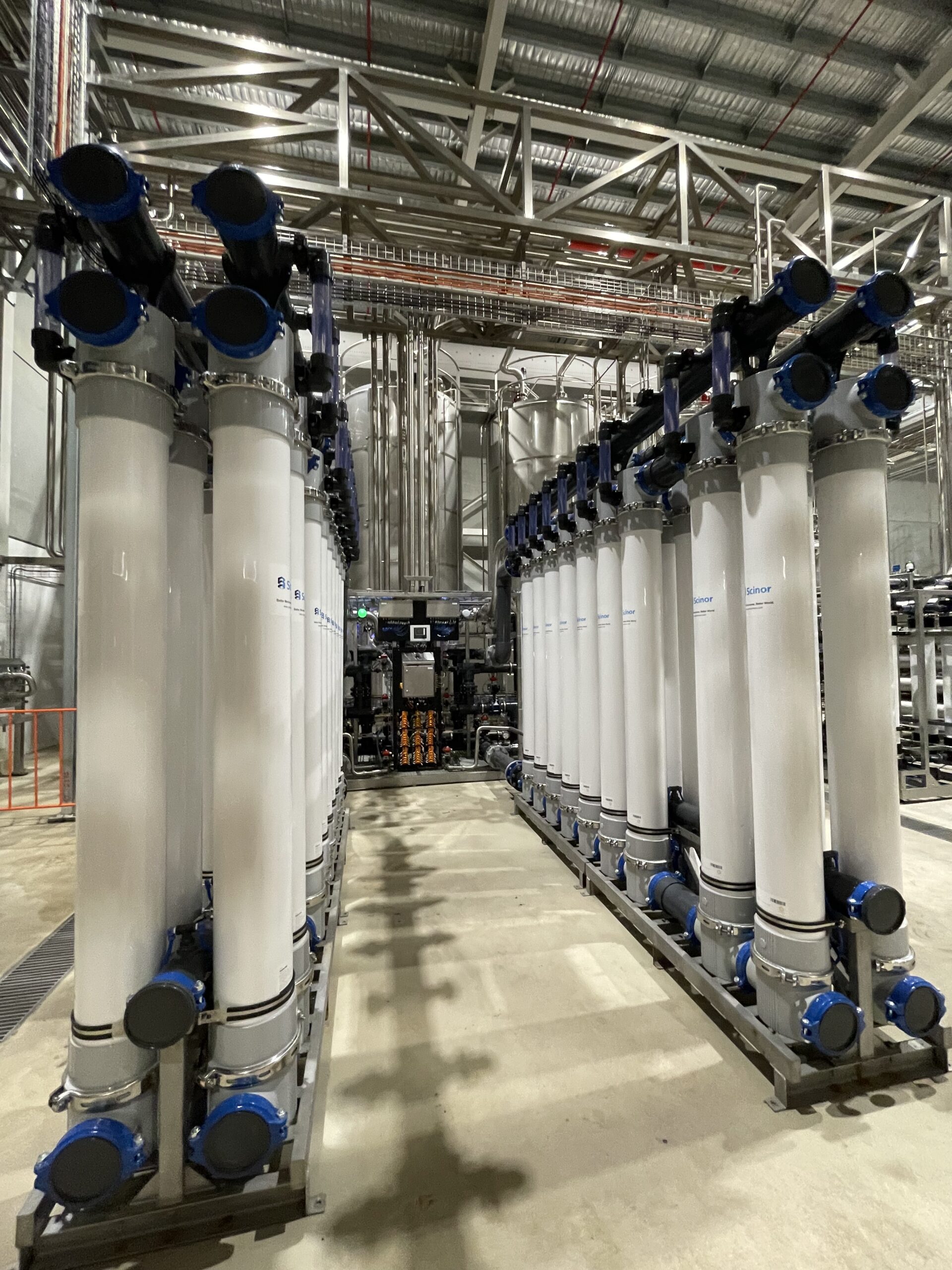
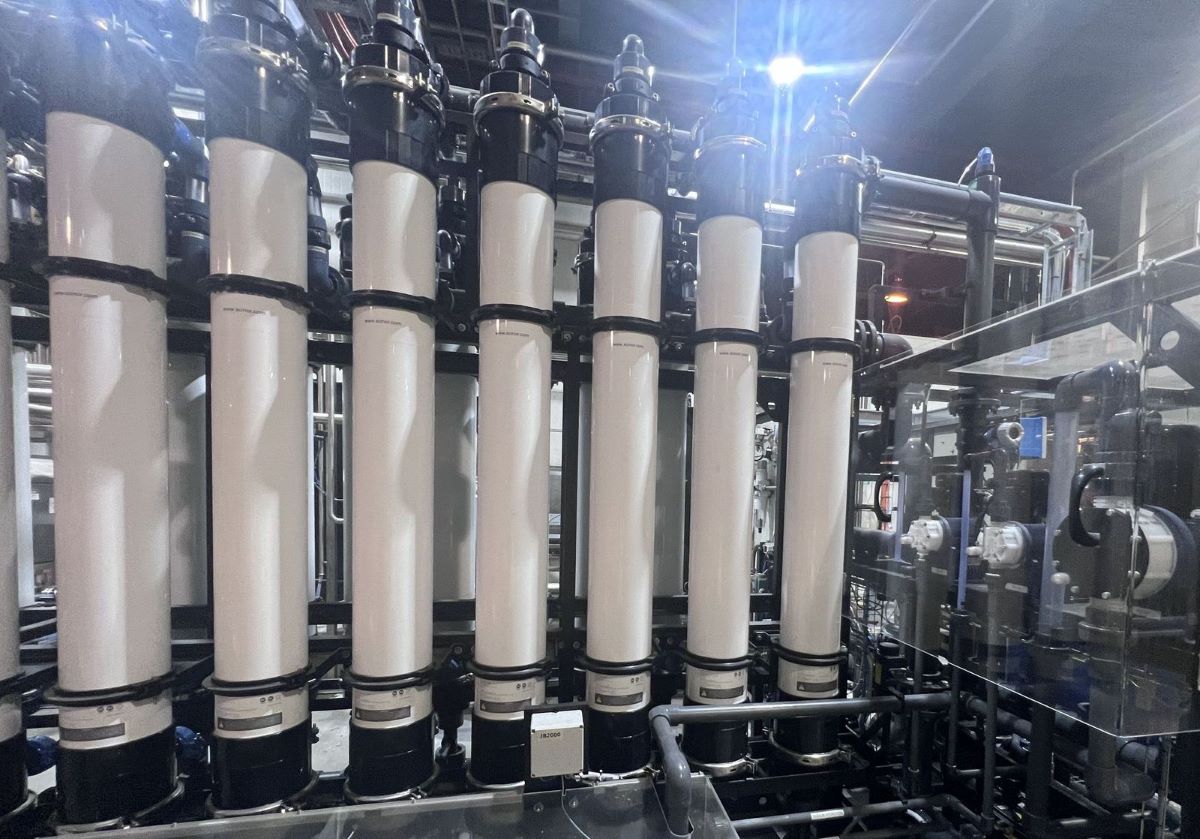
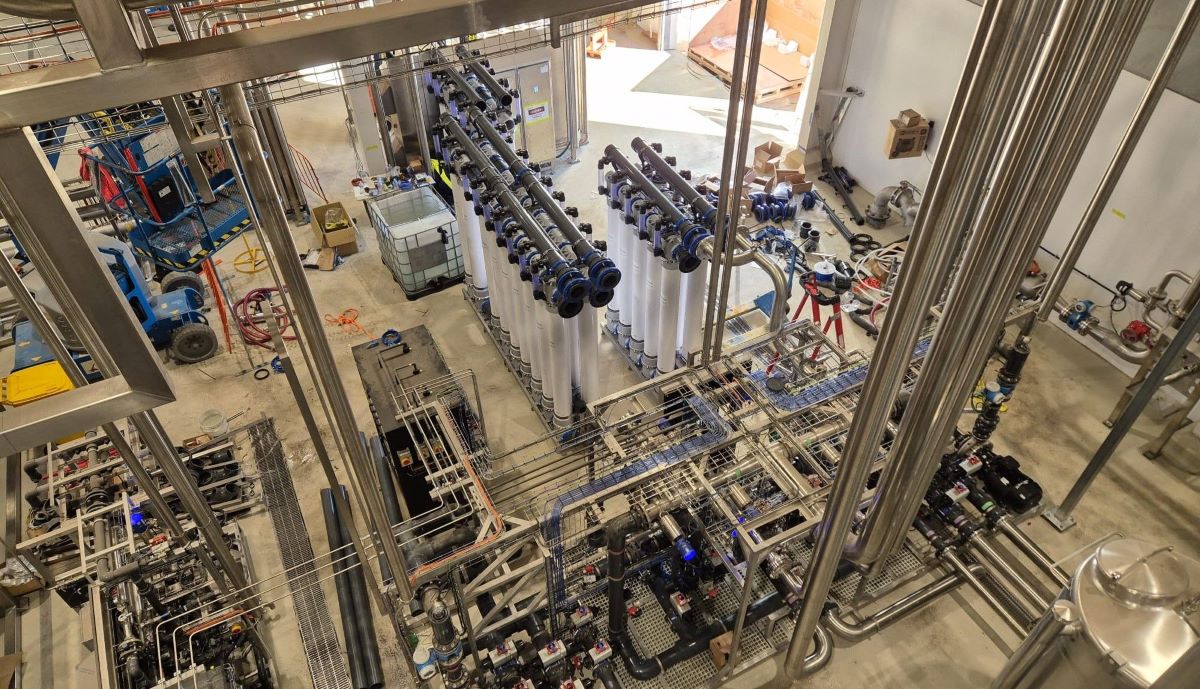
UF membranes are designed to remove suspended solids, bacteria, viruses, colloids, and larger organic molecules from water, helping reduce the contaminant load before it reaches the activated carbon stage (EPA, 2025). By addressing these contaminants upstream, UF can help increase carbon life and reduce changeout frequency, reduce carbon BW frequency, creating a more sustainable future through less wastewater and improvement in downstream processes.
Understanding the Role of UF and Activated Carbon
Although both technologies are used in water treatment, they serve different purposes. Ultrafiltration (UF) is a membrane-based process primarily used to remove:
- Suspended solids
- Turbidity
- Bacteria
- Viruses
- Colloids
- High molecular weight organic compounds
Activated Carbon (AC) is primarily used to remove:
- Taste and odour compounds
- Natural organic matter
- Volatile organic compounds (VOCs)
- Synthetic organic compounds
- Chlorine and chlorine-related compounds
- Disinfection by-product precursors
Given these technologies target different contaminants, they are often incorporated into a multi-stage treatment process where each stage performs a specific function. This aligns with the Australian Drinking Water Guidelines’ multi-barrier approach, which recognises that no single barrier is always sufficient and that multiple controls help manage water quality risks (NHMRC, 2025).
Why Use UF Before Activated Carbon?
The main objective of UF pre-treatment is to improve the quality and consistency of the water entering the activated carbon system. These benefits are based on the recognised roles of UF and activated carbon: UF removes suspended solids, bacteria, viruses, colloids, and larger molecules, while activated carbon targets organic compounds, VOCs, taste and odour compounds, and disinfection by-product precursors (EPA, 2025). Potential benefits include:
- Reduced Particulate Loading: UF removes suspended solids and colloidal material before water reaches the activated carbon media.
- Improved Feed Water Consistency: UF helps reduce fluctuations in turbidity and suspended solids before downstream filtration.
- Improved Hydraulic Performance: Reducing solids and biological material can help minimise blockages and pressure losses.
- Better Utilisation of Carbon Media: Activated carbon can focus on adsorbing dissolved contaminants rather than acting as a particle filter.
- Improved Carbon Life and Efficiency: By reducing the load entering the activated carbon stage, UF can help improve carbon life and overall efficiency.
- Improved Backwash Efficiency: UF can help improve backwash efficiency and reduce backwash water usage.
Where UF and Activated Carbon Work Best
Because UF and activated carbon address different contaminants, they are often used together across a wide range of industries where water quality consistency is critical. Common applications include:
- Food and beverage processing
- Brewing and winery water
- Pharmaceutical water systems
- Municipal water treatment
- Water recovery and reuse systems
- Industrial process water applications
In these environments, UF helps reduce suspended solids, microorganisms, and colloidal material before water reaches the activated carbon stage, allowing downstream treatment processes to operate more effectively and consistently.
Chirag Kukadia, Manager, Proposals, Projects & Services at BHF, highlights the importance of considering the role of each treatment stage within a complete system:
“Activated carbon systems are designed primarily for adsorption, not for handling high suspended solids or unstable turbidity loads. When fine particulates, colloids, or biological material reach the carbon bed, they can occupy surface area, increase pressure drop, and reduce contact efficiency.
Using UF upstream helps condition the feed water before adsorption by removing these fouling contributors, which supports more consistent carbon performance, better hydraulic stability, and longer service intervals.”
UF and activated carbon filtration are not competing technologies. Instead, they perform different functions within a water treatment process. UF focuses on removing suspended solids, bacteria, viruses, and colloids, while activated carbon targets dissolved contaminants that affect water quality, taste, odour, and process performance.
When applied appropriately, combining these technologies can create a more robust treatment train that supports water quality consistency, operational reliability, and long-term system performance.
At BHF, we help clients design and optimise Filtration and Purification Systems tailored to their water quality objectives, operational requirements, and industry standards. If you are evaluating a new treatment system or looking to improve an existing process, contact our BHF team here to discuss whether a combined UF and activated carbon solution is suitable for your application.