

















Managing Botrytis in the Winery: Practical Strategies for a Challenging Vintage
March 10, 2026
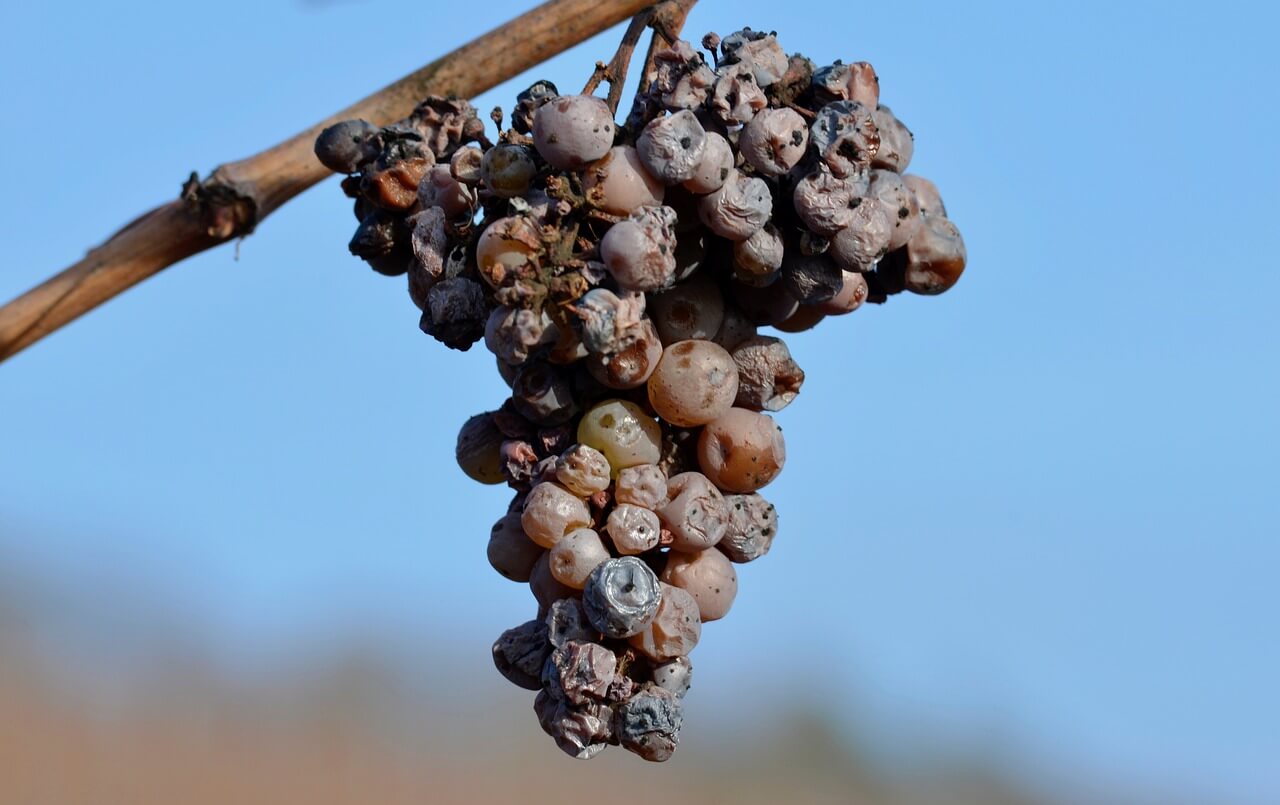
Recent rainfall across many growing regions in Australia has created conditions conducive to Botrytis cinerea, increasing Botrytis disease pressure in vineyards and presenting new challenges for winemakers this vintage.
When Botrytis is present in harvested fruit, it can significantly impact both juice composition and final wine quality, requiring careful attention during processing, fermentation, and finishing. While the severity of Botrytis infection varies between vineyards and varieties, understanding the potential impacts and the steps that can be taken to manage them is critical to protecting wine quality.
How Botrytis Affects Winemaking
Botrytis cinerea infection introduces several complications in the winery, many of which stem from the biochemical changes the fungus causes in the grape.
One of the most significant concerns is the production of oxidative enzymes such as laccase, which can rapidly oxidise juice and aroma compounds. Unlike many natural grape enzymes, laccase activity can remain active throughout fermentation, making oxidation management particularly important.
Botrytis can also alter the nutritional composition of the must. The fungus consumes yeast assimilable nitrogen (YAN) in the fruit, increasing the risk of sluggish or stuck fermentations if nutrients are not carefully managed.
Additional winemaking challenges associated with Botrytis include:
- Loss of varietal aromas due to enzymatic degradation
- Production of glucans, which can hinder clarification and filtration
- Development of mouldy or earthy off-aromas if the infection is not adequately managed
For wineries receiving Botrytis-affected fruit this season, implementing the right processing strategies early can make a significant difference to final wine quality.
Key Winery Practices to Minimise Quality Impacts
While every vintage and vineyard is different, several practical winery Botrytis management approaches can help reduce the impact of Botrytis-infected fruit.
1. Careful Fruit Handling
Handling fruit gently is one of the first steps in limiting the spread of oxidative compounds and mould-derived metabolites.
Where possible, wineries should consider:
- Sorting fruit to separate heavily affected bunches or parcels
- Limiting extraction and mechanical handling of compromised fruit
- Protecting musts from oxygen exposure until laccase activity has been controlled
Reducing oxygen contact during the early stages of processing can help prevent rapid oxidative damage.
2. Early Must Management
Early intervention in the must can significantly reduce downstream processing challenges associated with Botrytis cinerea.
Winemakers should consider:
- Adjusting SO₂ levels according to fruit condition and infection severity
- Using antioxidant protection and appropriate fining strategies to remove oxidised compounds
- Applying targeted enzyme treatments to improve clarification and help break down Botrytis-derived glucans
These steps help stabilise the must and prepare it for a more controlled fermentation.
3. Fermentation Management
Because Botrytis reduces nitrogen availability in the must, fermentation management becomes particularly important.
To support healthy yeast performance:
- Address nitrogen deficiencies through appropriate nutrient additions
- Select robust yeast strains suited to challenging conditions
- Use yeast preparation products where appropriate to support fermentation reliability
During this stage, it is also advisable to limit excessive aeration or extraction until laccase activity has been effectively managed.
4. Stabilisation and Finishing
If mould-related compounds persist later in the process, several tools can help improve wine stability and clarity.
These may include:
- Specialised fining agents or activated carbon to reduce mould-derived off-characters
- β-glucanase enzyme treatments to improve clarification and filtration performance where glucans are present
Taking these steps during the finishing stage can help ensure the wine meets both quality and processing requirements.
Tailoring the Approach to Each Winery
Every Botrytis situation is unique. The level of infection, grape variety, processing method, and winemaking style all influence the best Botrytis management strategy.
For this reason, tailored protocols are often required to balance quality protection, fermentation performance, and processing efficiency.
If your winery is managing Botrytis-affected fruit this vintage, the BHF technical team can assist with product recommendations and treatment strategies specific to your situation.
Need Help Managing Botrytis This Vintage?
Contact your BHF account manager to discuss the most appropriate approach for your fruit and winemaking goals.