




















The Economic Case for Filtration in Oil & Gas: Calculating ROI on Water Treatment & Purification
October 19, 2025
In the oil and gas industry, operational efficiency, regulatory compliance, and cost control directly influence profitability.
While water treatment and purification systems are often viewed as high-cost necessities, the reality is that they can deliver substantial financial and operational returns.
When properly designed and implemented, filtration technology becomes more than just a compliance measure—it becomes a long-term value generator for oil and gas operations.
Why Water Treatment and Purification Matter
Water plays a vital role across the entire oil and gas value chain—from drilling and extraction to refining and petrochemical processing. Poor-quality water can lead to corrosion, fouling, scaling, and premature equipment failure.
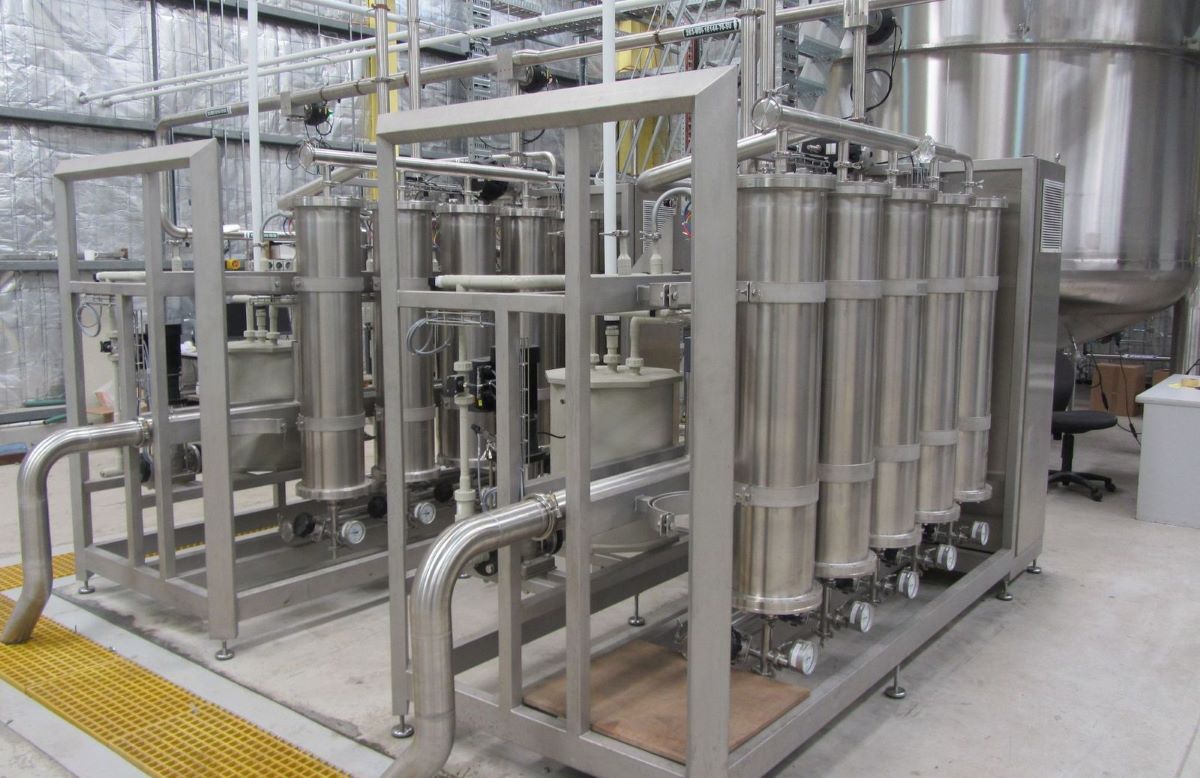
Implementing robust water treatment systems prevents these issues by removing suspended solids, hydrocarbons, and chemical contaminants. This protection extends the lifespan of costly assets, reduces maintenance cycles, and safeguards process reliability.
Similarly, water purification systems ensure that process water meets tight specifications for enhanced oil recovery, boiler feedwater, and cooling systems. Clean, contaminant-free water stabilises production, reduces chemical dependency, and prevents costly downtime.
💡 Did you know? In refining operations, every 1% improvement in heat exchanger efficiency—achieved through better water quality—can save thousands in annual energy costs.
Calculating ROI for Filtration in Oil & Gas
Evaluating the return on investment (ROI) from advanced filtration systems involves assessing both direct cost savings and indirect operational benefits.
1. Operational Cost Savings
High-efficiency filtration reduces equipment wear, minimises unplanned downtime, and lowers chemical and maintenance costs.
In produced water treatment, high-recovery membranes also reduce freshwater intake and wastewater disposal—two major operating expenses in most facilities.
2. Energy Efficiency
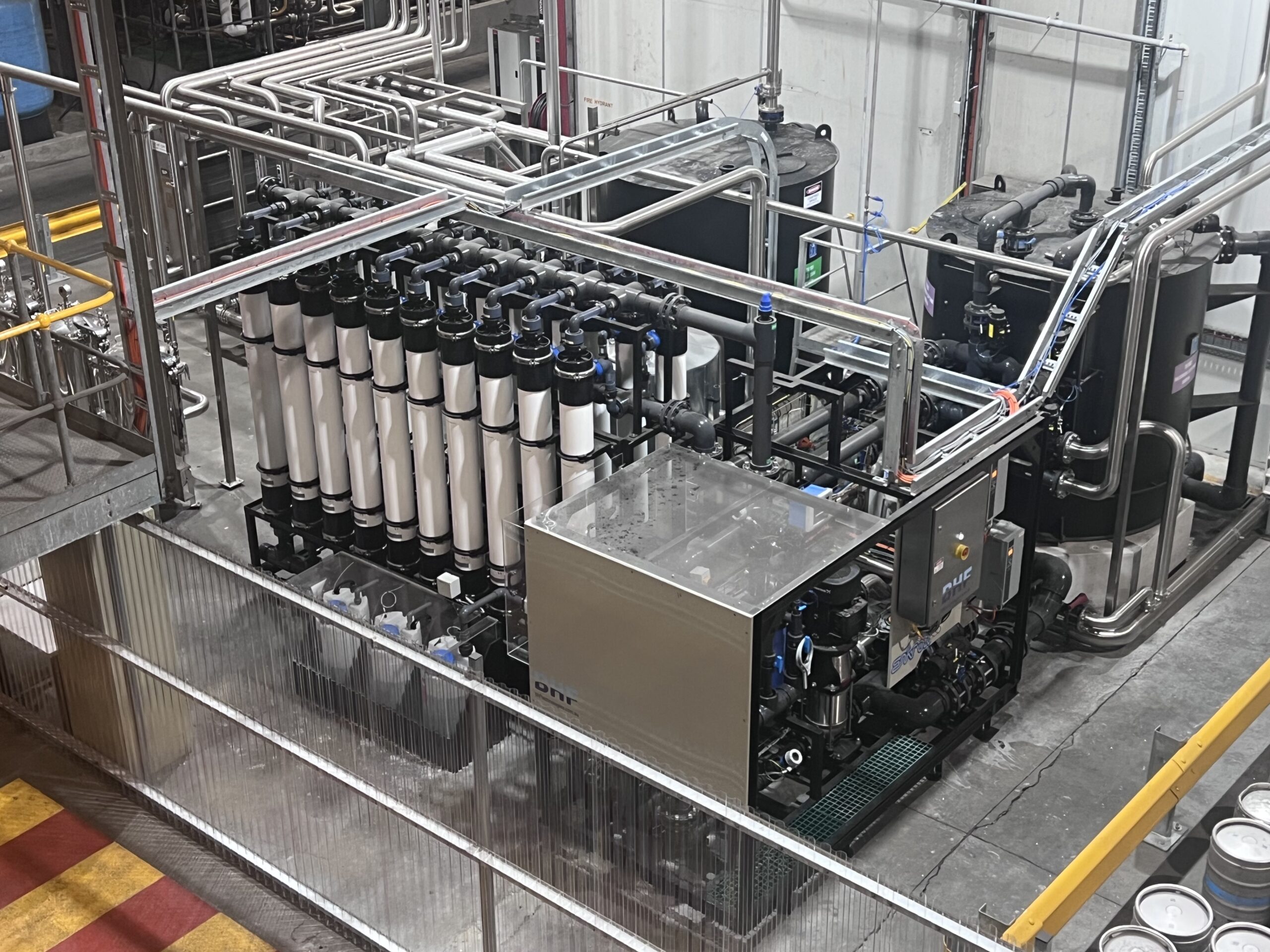
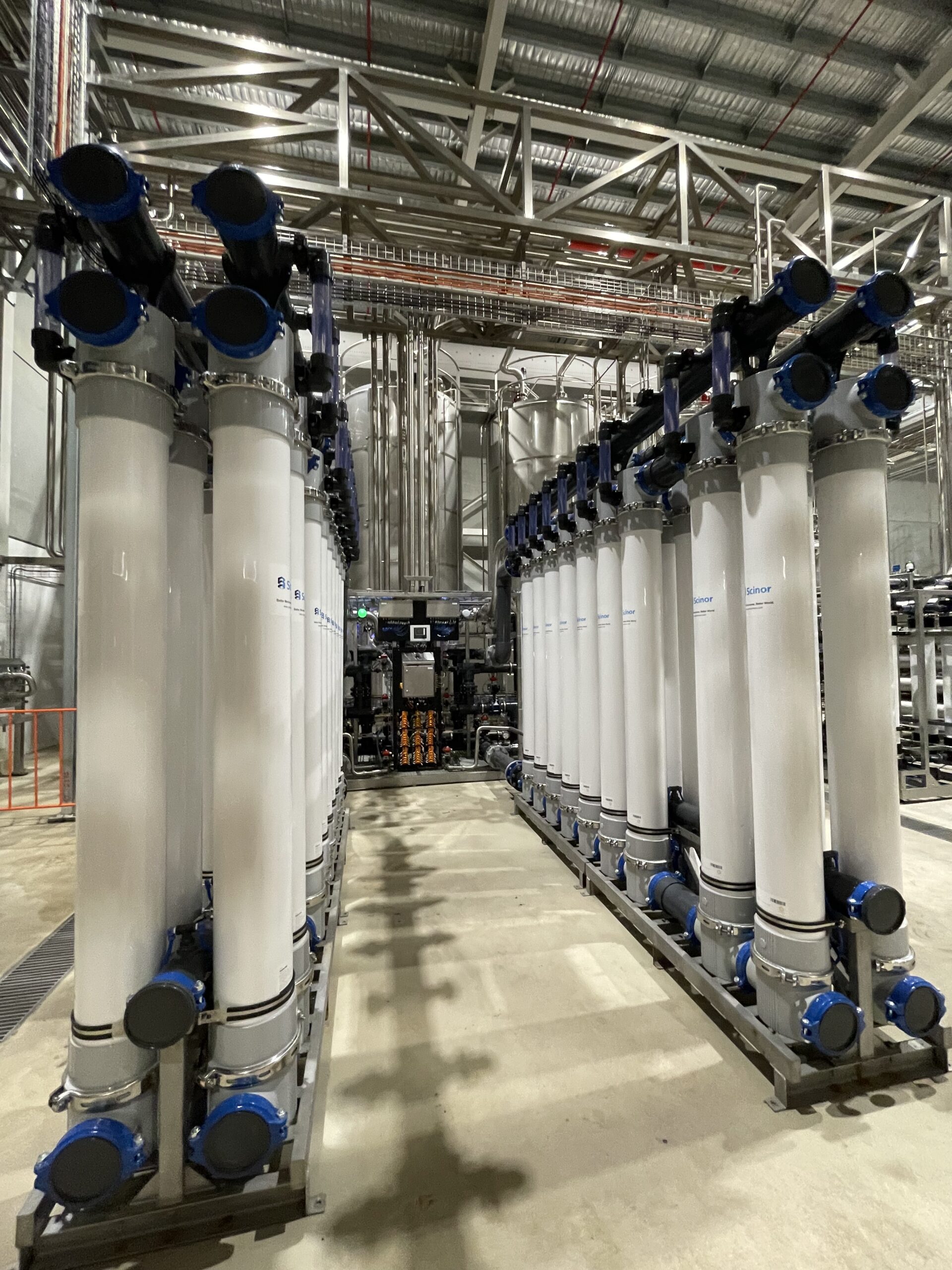
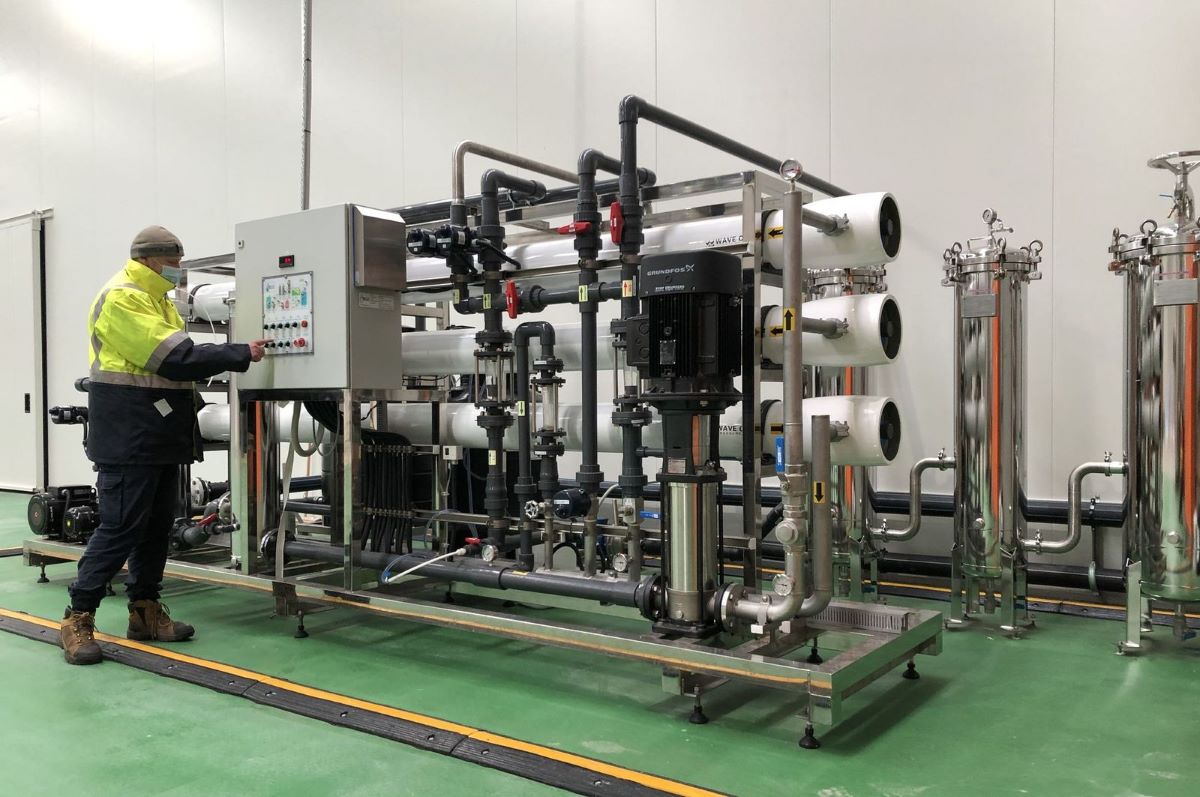
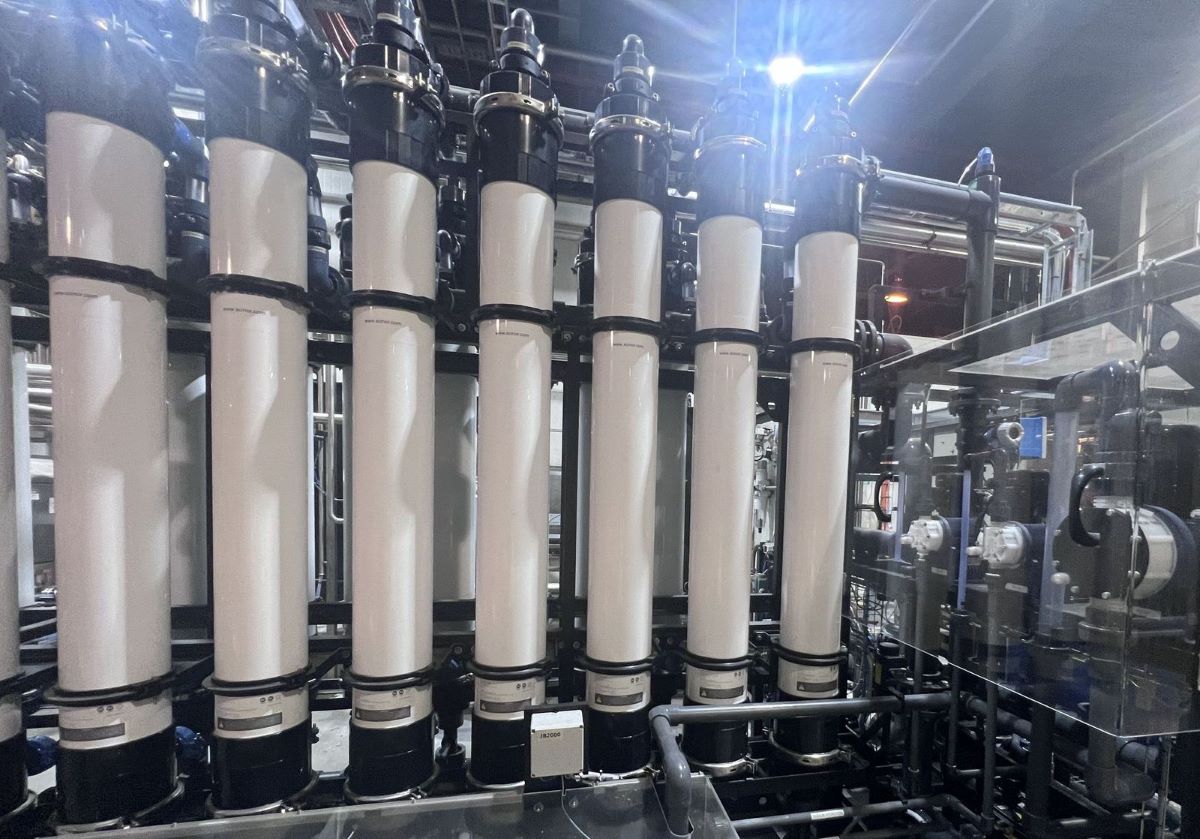
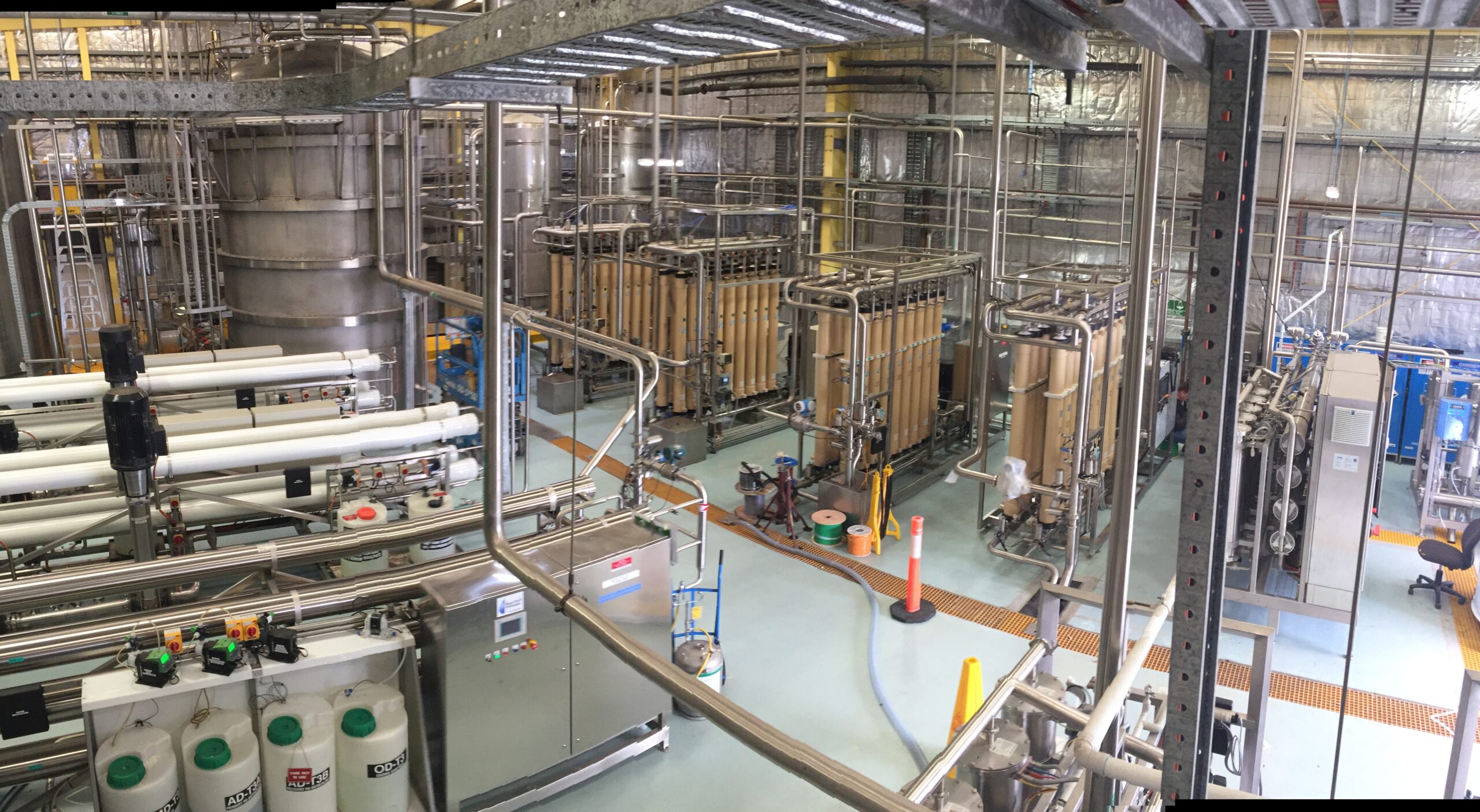
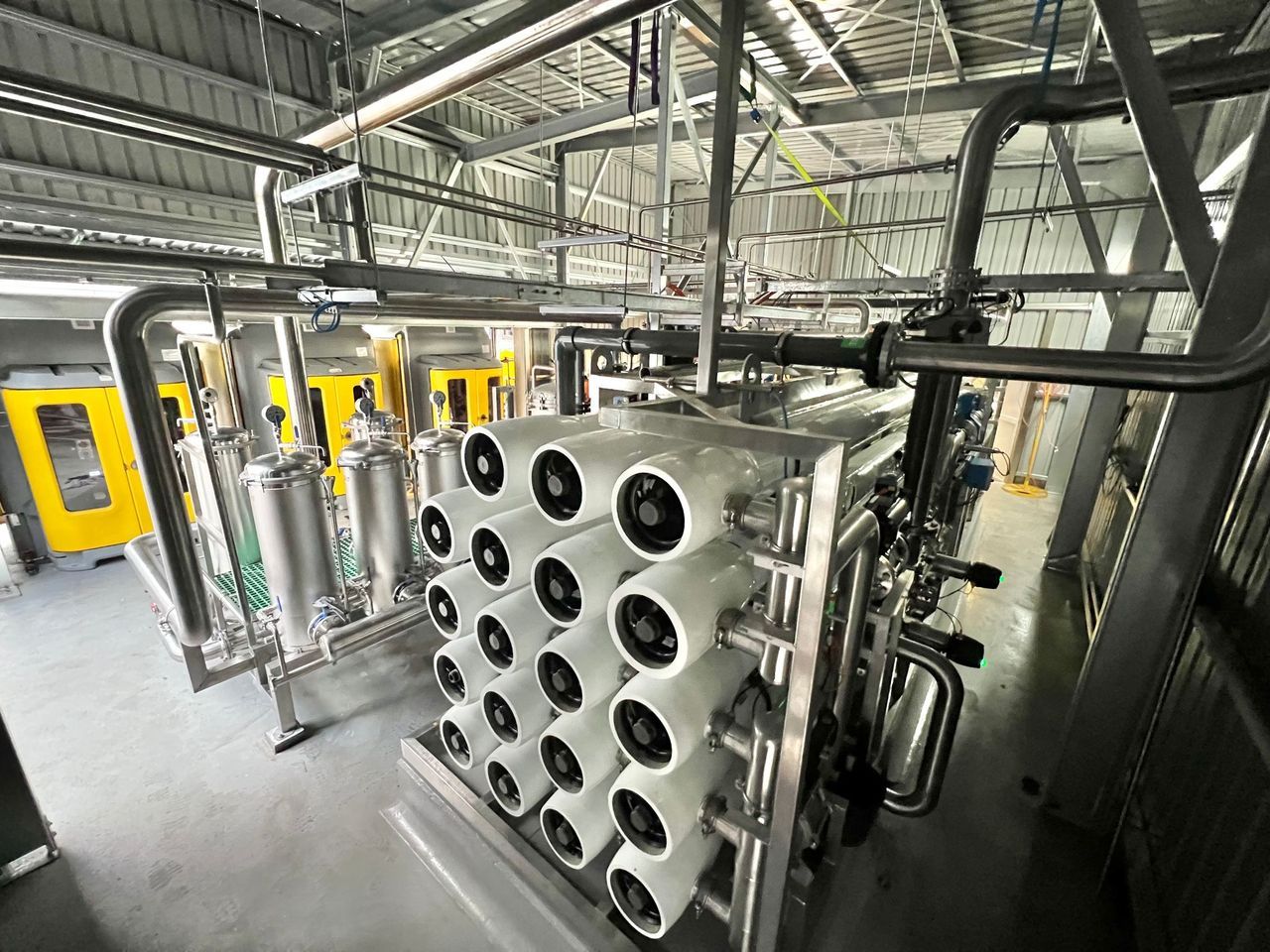
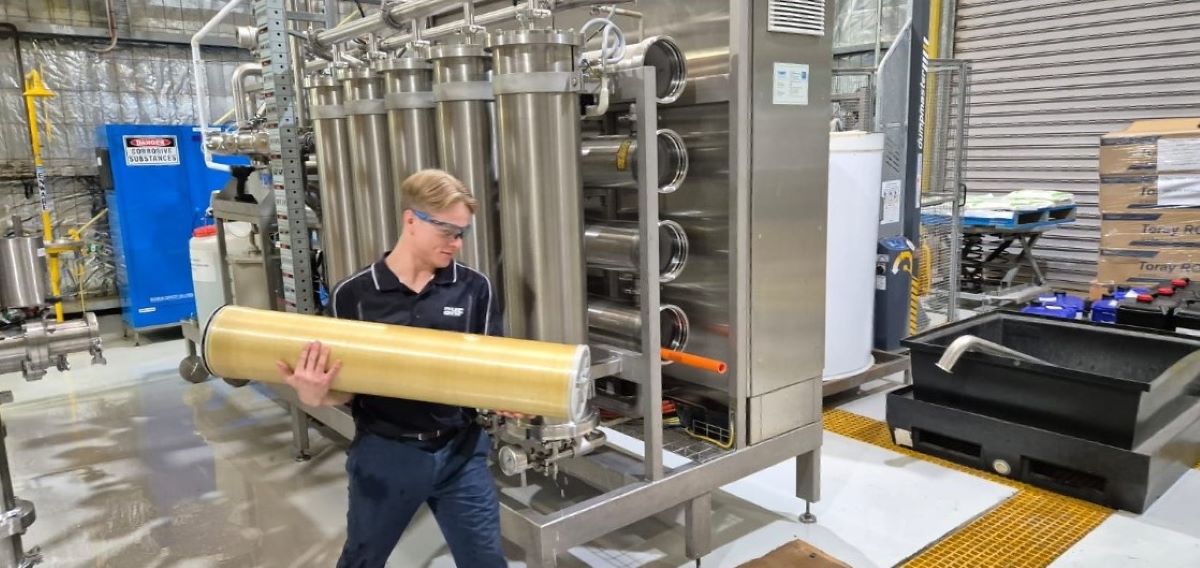
Modern filtration systems, such as ultrafiltration (UF) and reverse osmosis (RO), are engineered for energy optimisation.
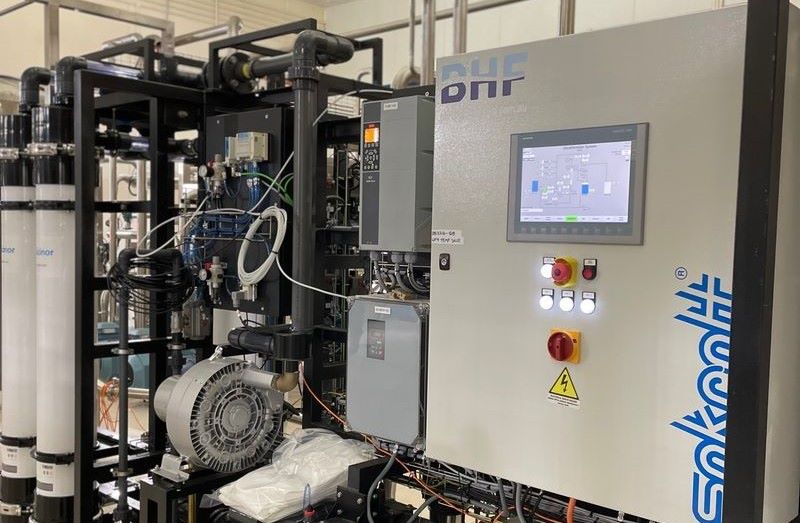
Lower pressure requirements, automated control systems, and variable-frequency drives can reduce energy consumption by up to 50%, delivering a faster ROI and a smaller carbon footprint.
3. Compliance & Risk Mitigation
Oil and gas companies face increasingly strict water discharge and quality regulations.
Advanced filtration and water purification systems help meet these standards, avoiding environmental penalties, operational shutdowns, and reputational damage.
4. Lifecycle ROI Calculation
A comprehensive ROI framework includes capital, installation, operation, and maintenance costs measured against water, energy, and chemical savings.
ROI Formula:
ROI (%) = (Annual Savings – Annual Operating Costs) ÷ Total Investment × 100
Example:
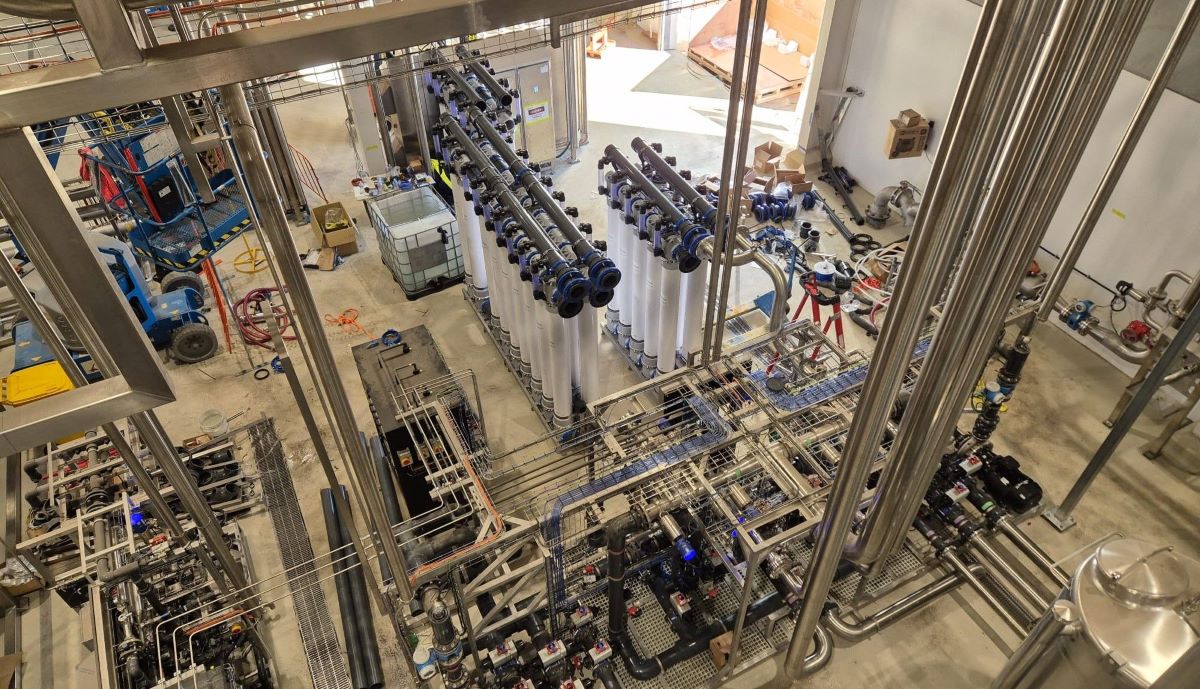
An offshore operator installs a combined UF + RO system for produced water recycling. The system saves over 50,000 litres per hour of freshwater and reduces annual energy costs by 45%. Over five years, this translates to a payback period of less than two years and sustainable operational gains.
Strategic Value Beyond Cost
While the financial metrics are compelling, the strategic advantages of modern filtration systems are equally significant:
Sustainability Leadership
Reducing freshwater use and lowering energy consumption supports ESG objectives, net-zero targets, and broader corporate sustainability commitments.
Operational Resilience
Reliable, high-quality water safeguards process stability and reduces variability in production performance—especially in regions with fluctuating water quality.
📞 Talk to the Experts
Discover how BHF Technologies can help your operation achieve high-efficiency water treatment and purification results with proven ROI.